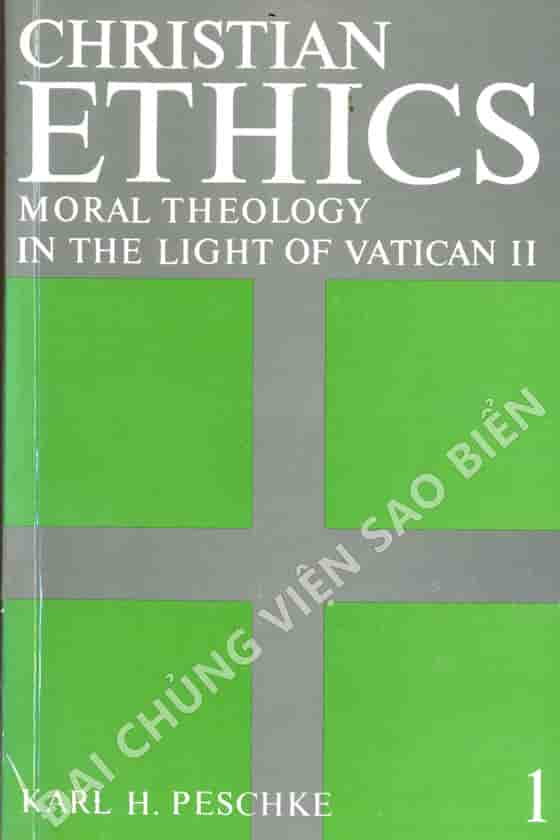
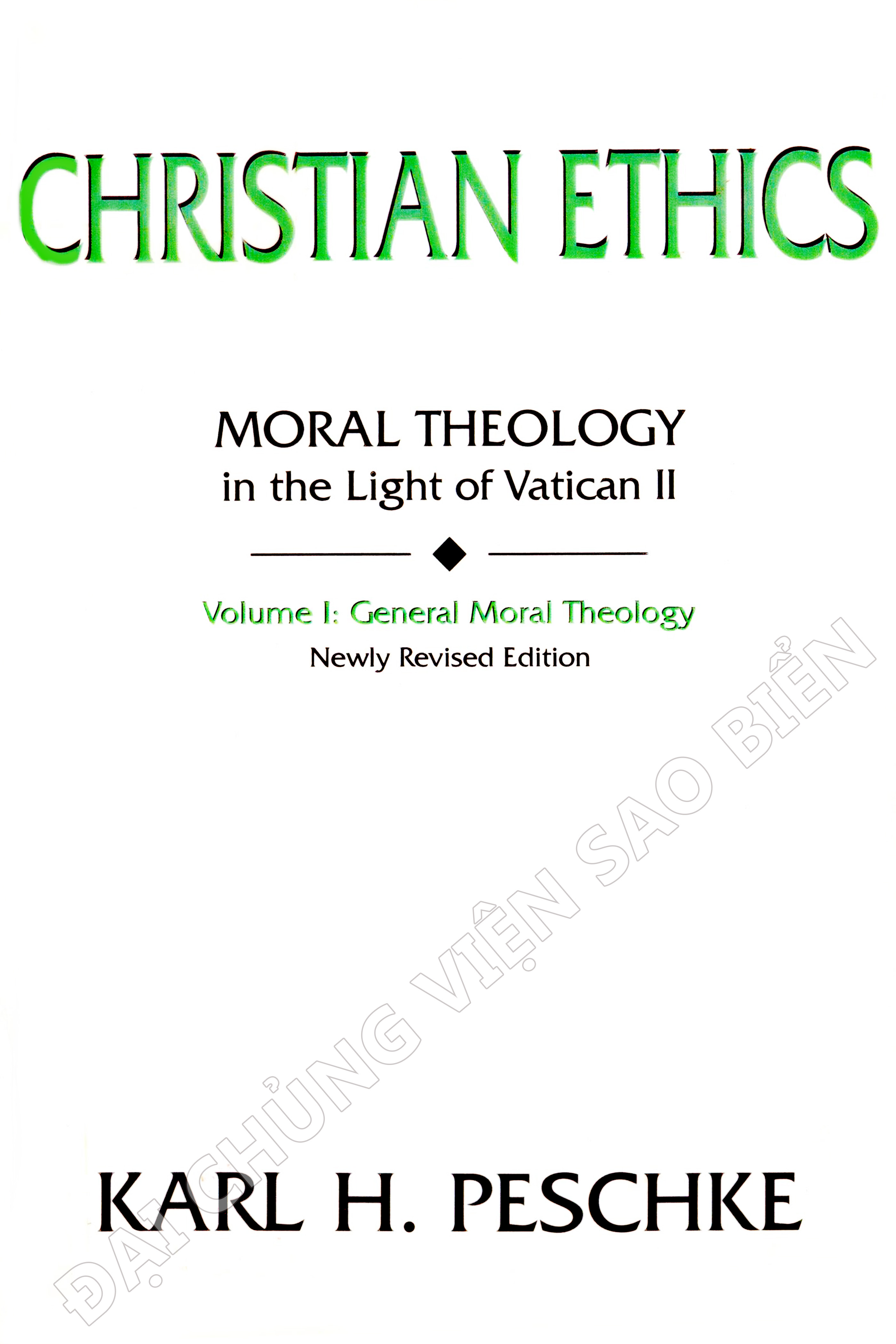
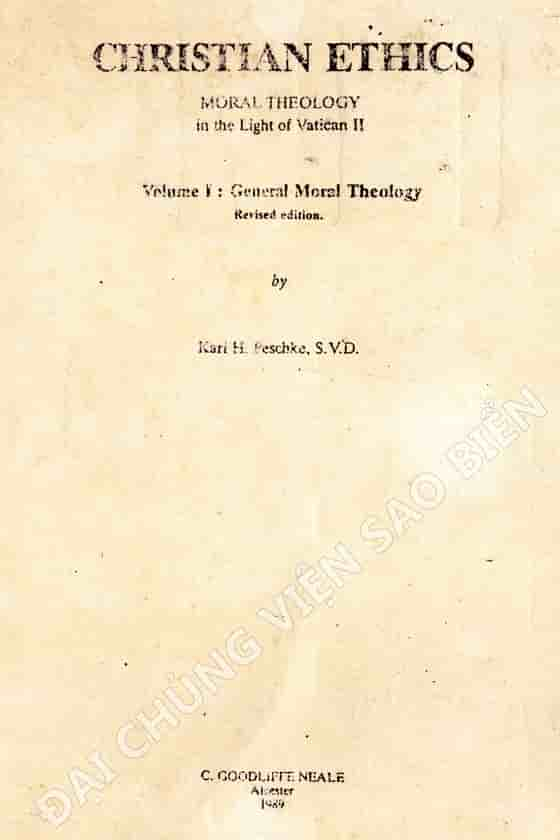
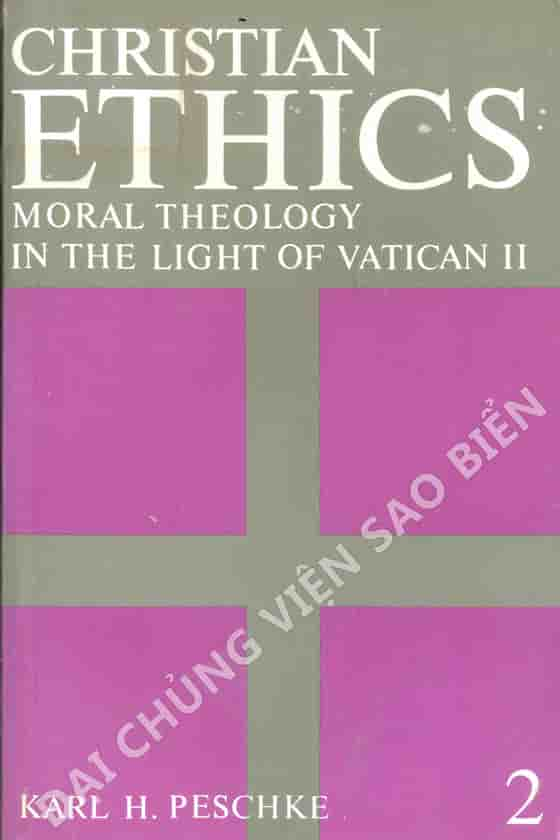
| Christian Ethics - Volume I: General Moral Theology | |
| Phụ đề: | Moral Theology in the light of Vatican II |
| Tác giả: | Karl H. Peschke |
| Ký hiệu tác giả: |
PE-K |
| DDC: | 241 - Thần học luân lý |
| Ngôn ngữ: | Anh |
| Tập - số: | 1 |
| Số cuốn: | 1 |
Hiện trạng các bản sách
|
||||||||||||||||
| Abbreviations | viii |
| Preface | 1 |
| Introduction | 3 |
| Chapter 1: NATURE OF MORALITY AND ITS ULTIMATE END | 13 |
| A. Responsive character of Christian morality | 14 |
| l. Holy Scripture | 14 |
| 2. Liturgy | 17 |
| 3. Christian theology | 18 |
| B. The ultimate purpose of the moral demand | 21 |
| I. Temporal happiness and welfare as ultimate purpose: eudaemonism, utilitarianism | 23 |
| II. Ethics of self-perfection and temporal progress | 29 |
| III. Morality for its own sake | 32 |
| l. Kantian ethics | 32 |
| 2. Ethics of values | 36 |
| IV. God's glory and kingdom as the ultimate purpose: theonomous ethics | 39 |
| 1. Teaching of Holy Scripture | 40 |
| 2. Theological reflection | 44 |
| V. Salvation and the moral demand | 48 |
| 1. Role of salvation in Holy Scripture | 48 |
| 2. Role of salvation in theologic11lthought | 50 |
| C. The categorical character of the moral demand | 53 |
| D. Openness to God's guidance and discernment of spirits | 57 |
| Chapter II: NATURE OF THE MORAL LAW | 64 |
| A. Notion of moral law | 65 |
| 1. Concept of moral law | 65 |
| 2. Natural, revealed and human law | 66 |
| B. Law of God in Holy Scripture | 68 |
| I. Law of the Old Testament | 68 |
| II. Moral law in the New Testament | 75 |
| III. Distinctiveness of Christian ethics | 84 |
| IV. Moral autonomy and theonomous ethics | 92 |
| C. Natural moral law | 95 |
| I. Concept of natural law | 97 |
| l. The traditional concept | 97 |
| 2. The theological controversy over natural law | 101 |
| 3. Revised concept of natural law | 105 |
| II. Properties of natural law | 106 |
| 1. Universality of natural law | 106 |
| a) Extent of the universal knowledge of natural law | 106 |
| b) Uncertainties in the teaching of the Church | 109 |
| 2. Immutability and dynamics | 111 |
| 3. Indispensability of natural law | 113 |
| 4. Personal and situational character | 115 |
| III. Existence and ultimate basis of natural law | 117 |
| I. Natural law as reflection of God's eternal decrees | 118 |
| 2. Natural law as based on the order of being | 120 |
| a) General implication of the axiom "action follows being" | 120 |
| b) Application to human activity | 121 |
| c) Hume's critique and an answer to it | 123 |
| 3. Deontological and teleological foundation of moral norms | 126 |
| D. Human law | 135 |
| I. Notion and necessity of human law | 135 |
| 1. Concept and properties of human law | 135 |
| 2. Attitude of the New Testament to human law | 138 |
| 3. Necessity of human law according to reason | 140 |
| II. Object and substantive justice of the law | 141 |
| III. Moral obligation of the law | 146 |
| IV. Procedural justice and epikeia | 149 |
| 1. Procedural justice | 149 |
| 2. Epikeia | 152 |
| V. Cessation of obligation and of the law itself | 155 |
| Chapter III: CONSCIENCE | 158 |
| A. Concept and nature of Conscience | 159 |
| I. Holy Scripture on conscience | 159 |
| II. Conscience as moral faculty | 163 |
| 1. Views outside of Christian theology | 163 |
| 2. Concept of conscience in theology | 166 |
| 3. Conscience as subject to being | 170 |
| III. Conscience as practical moral judgment | 172 |
| 1. Concept of the dictate of conscience | 172 |
| 2. Division of conscience | 174 |
| IV. Stages in the developtment of conscience | 175 |
| B. The binding force of conscience | 179 |
| I. The certain conscience | 179 |
| II. The vincibly erroneous and lax conscience | 183 |
| III. The perplexed conscience | 185 |
| IV. The doubtful conscience | 186 |
| C. Formation of a certain conscience by means of reflex principles | 188 |
| I. Nature and varieties of reflex principles | 188 |
| II. The systems of probability | 190 |
| D. Freedom and commitment of conscience | 195 |
| 1. The right to freedom of conscience | 195 |
| 2. Conscience and the civil law | 197 |
| 3. Conscience and the teaching office of the Church | 201 |
| 4. Duty to form one's conscience | 205 |
| Chapter IV: COMMUNAL ROOTS OF MORAL IDENTITY AND FUNDAMENTAL OPTION | 208 |
| A. Fonnative principles of moral identity | 208 |
| I. The Bible as formative principle of the moral life | 210 |
| 1. The Bible as prime source of Christian identity | 210 |
| 2. Concrete shape of biblical.moral identity | 212 |
| II. The faith community as matrix of moral identity | 216 |
| B. Character formation | 220 |
| C. Basic intention and fundamental option | 223 |
| Chapter V: REALIZATION OF THE MORAL VALUE IN HUMAN ACTS | 228 |
| A. Concept and nature of the human act | 228 |
| I. Concept of the human act | 228 |
| II. Divisions of the voluntary act and effect | 230 |
| III. The presupposition of freedom | 232 |
| 1. Freedom of will in Holy Scripture | 233 |
| 2. Theological reflection | 236 |
| B. Obstacles to humari acts | 238 |
| I. Impairments of required knowledge | 238 |
| 1. lgnorance | 239 |
| 2. Error | 241 |
| 3. Inattention | 242 |
| II. Impairments of free consent | 242 |
| 1. Passion | 242 |
| 2. Fear and social pressure | 244 |
| 3. Violence | 247 |
| 4. Dispositions and habits | 248 |
| C. Sources defining the morality of human acts | 250 |
| I. The object | 251 |
| II. The circumstances | 254 |
| III. The end intended by the agent | 256 |
| IV. Moral significance of the external act | 260 |
| D. Preference rules and problems of the lesser evil | 261 |
| I. Preference rule | 262 |
| II. Imputability of indirectly willed effects | 265 |
| 1. Imputability of indirectly willed effects in general | 265 |
| 2. The principle of double effect | 267 |
| 3. Problems and controversies | 269 |
| III. Cooperation in the wrong deeds of others | 277 |
| IV. The ethical compromise | 281 |
| Chapter VI: THE MORALLY BAD ACTION: SIN | 285 |
| A. Nature of sin | 287 |
| I. Biblical delineation of sin | 288 |
| II. Threefold dimension of sin | 291 |
| 1. The personal dimension of sin | 292 |
| 2. The social dimension of sin | 293 |
| 3. Sin as rejection of God | 295 |
| III. Mortal, grave and venial sin | 296 |
| 1. Different gradations of sins | 296 |
| 2. Mortal and venial sin defined | 299 |
| 3. Criteria for the objective gravity of sins | 302 |
| B. Division of sins | 305 |
| I. Different kinds of internal sins | 305 |
| II. Sins of omission and commission | 308 |
| III. The capital sins | 309 |
| C. Sources of sin | 310 |
| I. Temptation | 310 |
| II. Seduction and scandal | 314 |
| 1. Seduction | 314 |
| 2. Active and passive scandal | 315 |
| 3. Moral evaluation of scandal | 318 |
| III. Impact of a sinfully distorted world | 320 |
| 1. Solidarity in evil according to Holy Scripture | 320 |
| 2. Man's situation a sinfully distorted world | 322 |
| Chapter VII: CONVERSION, VIRTUEANDPERFECTION IN HOLINESS | 326 |
| A. Conversion | 327 |
| I. Man's need for conversion | 327 |
| 1. The call to conversion in Holy Scripture | 327 |
| 2. Universality of conversion and its continuous need | 330 |
| II. Nature of conversion | 331 |
| 1. Repentance of past evil deeds | 331 |
| 2. Return to God's salvific will | 333 |
| 3. Conversion as social event | 334 |
| III. Conditions of conversion | 335 |
| 1. Admission of sin and guilt | 335 |
| 2. Openness to the gift of grace | 336 |
| 3. Spirit and fruits of repentance | 337 |
| IV. Sacramental enactment of conversion | 339 |
| B. Virtue | 341 |
| I. Nature of Virtue | 343 |
| II. The prime virtue and the many virtues | 345 |
| III. Fundamental requirements of virtue | 347 |
| 1. Moral knowledge and prudence | 347 |
| 2. Love of moral value | 349 |
| 3. Dominion over passions | 350 |
| C. The universal call to perfection and holiness | 351 |
| I. Defective ideals | 353 |
| II. The call to perfection in Holy Scripture | 355 |
| III. Essence and universality of the call to perfection | 360 |
| l. Nature of perfection | 360 |
| 2. University of the call to perfection | 362 |
| IV. Pathways to holiness | 364 |
| Bibliography | 369 |
| Index | 373 |


Các tác phẩm cùng thể loại
-
-
-
-
-
-
-
-
-
-
-
-
 Tác giả: Vô Danh
 -
-
-
-
-
-
-
-
 Tác giả: Jos Võ Quý
 -
-
-
-
 Tác giả: Seán Fagan, S.M.
 -
-
-
-
-
-
 Tác giả: Bernard Haring, CSsR.
 -
-
-
 Tác giả: Llltud Evans
 -
-
-
-
-
-
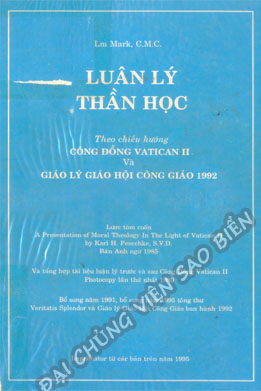 Tác giả: Lm. Mark, CMC
 -
-
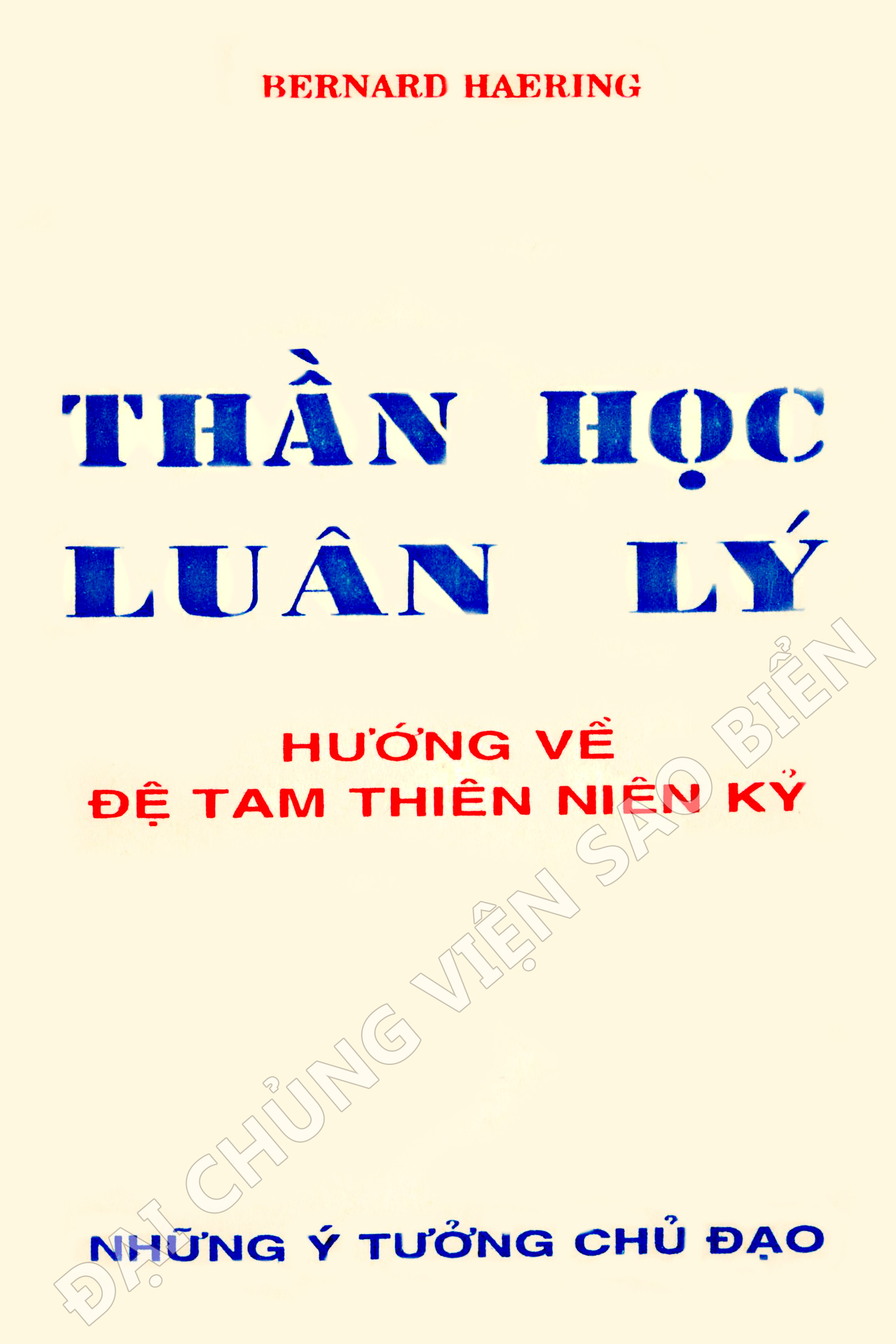 Tác giả: Bernard Haring
 -
-
-
 Tác giả: L. Muller
 -
-
-
-
-
 Tác giả: Robert Gascoigne
 -
-
-
-
-
-
-
-
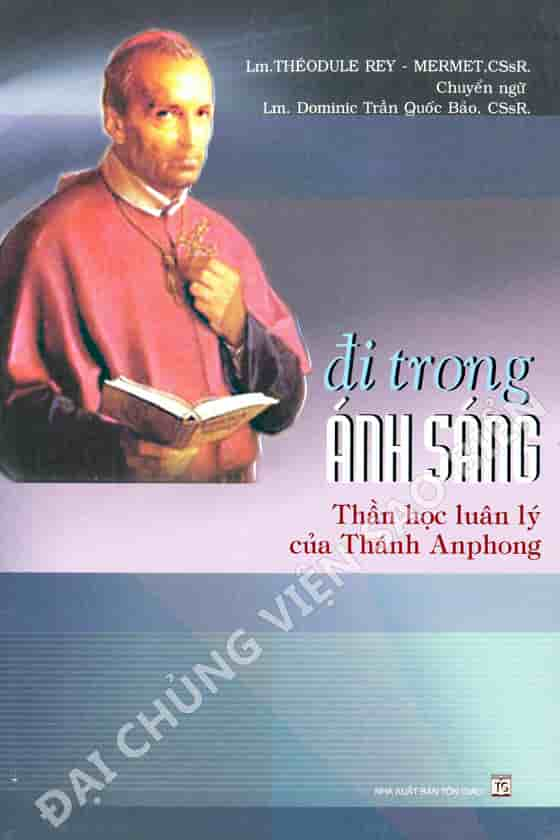 Tác giả: Théodule Rey & Mermet
 -
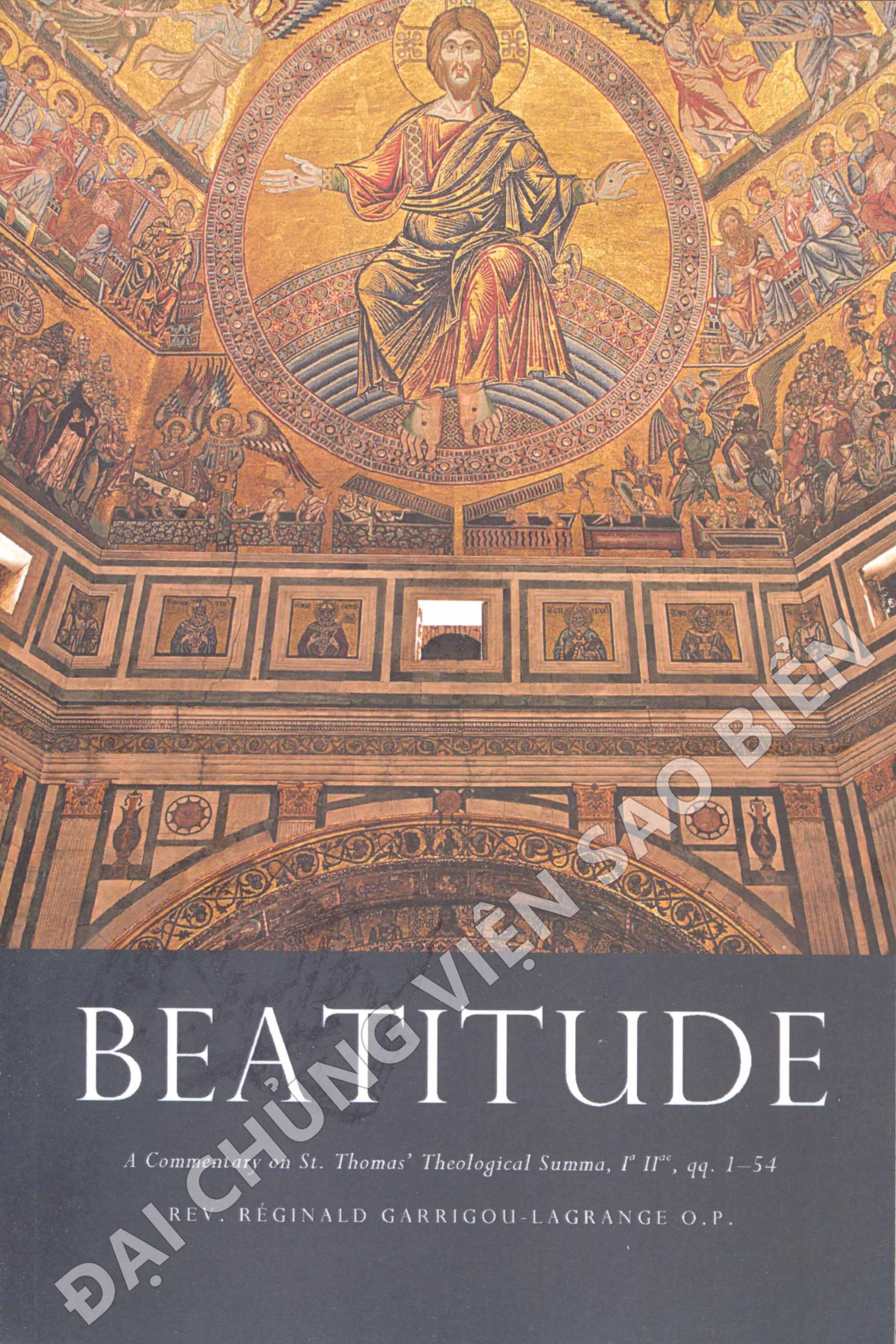 Tác giả: Réginald Garrigou-Lagrange, O.P
 -
-
-

-

-
-
 Tác giả: James Keenan
 -
 Tác giả: Livio Melina
 -
-