| The Program of Priestly Formation |
|
| Preface 1: Statement from the conference of the major |
|
| Superiors of men |
3 |
| General Introduction |
4 |
| Priestly formation in the U.S.A |
5 |
| 1. The Formation of Priests - Religious and Diocesan |
6 |
| 2. Different Models for Seminary Structure |
7 |
| 3. Formation of Others in Ministry in Relationship to Seminary Programs |
8 |
| 4. The Rhythm of life in Seminary Programs |
8 |
| 5. Formation in commitment to priestly Celibacy |
8 |
| 6. Admission of Seminarians |
9 |
| 7. Preparation for Ministry of Social Justice |
9 |
| The Significance of the Seminary for the life of the Church |
10 |
| Part One: Professional Formation for the Priesthood |
13 |
| Chapter one: Objectives |
15 |
| Chapter two; Development of the Seminarian: Personal and Spiritual |
18 |
| Article one: Goal - Personal Preparation for Priestly Ministry |
18 |
| A. Ministry of the word |
19 |
| B. Ministry of the Sacrament |
20 |
| 1. Christ and the Church |
20 |
| 2. Penance and Conversion |
20 |
| 3. The Eucharist |
21 |
| 4. Divine Praise |
21 |
| C. Ministry of Service |
22 |
| 1. The Community - Present and Future |
22 |
| 2. Virtues of Priestly Service |
23 |
| a) Sacrificial Love |
23 |
| b) Mature Obedience |
23 |
| c) Celibate Chastity |
24 |
| d) Pastoral Poverty |
26 |
| e) Commitment to Social Justice |
26 |
| Article two: The Role of the faculty and the Director of Spiritual formation |
27 |
| A. Collaborative Effort of the Whole Faculty |
27 |
| B. Specific responsibilities of the diretor of Spiritual formation |
28 |
| C. Provision for other professional services |
29 |
| D. The training of the Spiritual directors and those in Spiritual formation |
30 |
| E. Period of special introduction to the spiritual Life |
30 |
| Article Three: Community life |
31 |
| A. Community |
31 |
| B. Aspects of seminary community |
31 |
| C. Subgroups in the seminary community |
33 |
| Article four: Discipline |
33 |
| Article five: Norms for community life |
34 |
| Chapter Three: The Academic Program |
36 |
| Article one: Basic Principles of Curriculum Renewal |
36 |
| A. faith af Theology |
36 |
| B. The Shift of emphasis in theological education |
37 |
| C. The Hostorical dimension of Theological studies |
37 |
| D. The Pastoral dimension of theological studies |
38 |
| E. Unity and Pluralism in theological studies |
38 |
| F. Development needs of students |
39 |
| G. Emphasis on methodology |
39 |
| H. Respective roles of ordinaries and faculties |
39 |
| Article two: The Theological disciplines |
40 |
| A. Sacred scripture |
41 |
| 1. Entrance requirements for scripture studies |
41 |
| 2. Objectives of scripture studies |
42 |
| 3. Professional character and autonomy of scripture studies: Ist integration with other theological disciplines |
43 |
| B. Historical Studies |
43 |
| C. Systematic theology |
44 |
| 1. Objectives of systematic theology |
44 |
| 2. Methodology |
44 |
| 3. Pluralism |
45 |
| 4. Dogmatic theology |
45 |
| 5. Moral and Spiritual theology |
46 |
| 6. Objectives of this study |
46 |
| D. Sacred liturgy |
47 |
| E. Pastoral studies |
48 |
| 1. Canon law |
48 |
| 2. Homiletics |
48 |
| 3. Religious Education |
49 |
| 4. Pastoral Leadership and counseling |
49 |
| Article Three: Methods of instruction and evaluation |
50 |
| A. Instruction |
50 |
| B. Evaluation |
51 |
| Article Four: Structure of seminary education |
52 |
| Article five: Library |
52 |
| Chapter Four: Pastoral formation |
54 |
| Article one: Pastoral orientation of seminary curriculum |
54 |
| Article two: Field education program |
54 |
| Article Three: Objectives of the field education program |
55 |
| Article four: Field education as astimulating and integrating force |
56 |
| Article five: Practical recommendations |
58 |
| A. Field education program in every seminary |
58 |
| B. Director with full faculty status |
58 |
| C. Variety of Sypervised Experiences |
59 |
| D. Development of Program |
60 |
| E. Auxiliary pastoral supervisors |
60 |
| F. Faculty involvement |
60 |
| G. Summer Apostolic Program |
60 |
| H. Clinical experience |
60 |
| I. The Exercise of diaconate |
61 |
| J. Continuing education of priests |
61 |
| Chapter Five: Seminary administration |
63 |
| Article one: administrative principles |
63 |
| Article two: Organization of the seminary |
63 |
| Article three: The seminary and the community it serves: formation and policy |
64 |
| A. The role of the ordinary |
65 |
| B. seminry Board |
66 |
| C. seminary community |
66 |
| article four: Faculty and administrative officers: implementation of policy |
66 |
| A. The faculty: conditions of service |
66 |
| B. The faculty: Organzation |
68 |
| C. the rector |
69 |
| D. Other administrative officers |
70 |
| article five: Students |
71 |
| A. Admission requirements |
71 |
| B. Continued evaluation |
73 |
| C. the ordinary and promotion to orders |
74 |
| Article six: Student life and activity |
76 |
| A. Student participation |
76 |
| B. social programs |
76 |
| C. article seven: Means for the seminary to achieve its purpose |
77 |
| Chapter six: Ecumenical dimension in theological education |
79 |
| Introduction |
79 |
| Article one: General principles |
80 |
| A. Values of Ecumenical Formation |
80 |
| B. Factors in Ecumenical cooperation |
80 |
| C. Pastoral responsibility |
81 |
| Article two: Ecumenism in Seminaries |
82 |
| A. The faculty and ecumenism |
82 |
| B. Students and ecumenism |
83 |
| 1. Spiritual formation and ecumenism |
83 |
| 2. Academic formation and ecumenism |
84 |
| 3. Pastoral formation and ecumenism |
85 |
| Article three: Special considerations on ecumenical cooperation |
85 |
| Part Two: College Formation |
87 |
| Chapter one: Introduction |
89 |
| Article one: Aims of college formation |
89 |
| Chapter two: Personal and Spiritual development of the seminarian |
90 |
| Article one: The Situation |
90 |
| A. The student |
90 |
| B. The role of the faculty and of the director of spiritual formation |
91 |
| 1. Collaborative effort of the whole faculty |
91 |
| 2. Specific responsibilities of the director of spiritual formation |
92 |
| C. Provision for other professional services |
92 |
| Article two: The Response |
93 |
| A. Hearing the word |
93 |
| B. Penance and conversion |
94 |
| C. Eucharist |
95 |
| D. Communal and personal prayer |
95 |
| 1. Communal prayer |
95 |
| 2. Personal Prayer |
96 |
| Article three: The context |
97 |
| A. Community |
97 |
| B. Aspects of community |
97 |
| C. Subgroups in the seminary community |
98 |
| D. Relationships with other communities |
98 |
| E. Discipline |
99 |
| F. Relation of community life and discipline |
0 |
| Artic four: Social virtues |
100 |
| A. Obedience |
100 |
| B. Cilibate chastity |
101 |
| C. Pastoral Poverty |
103 |
| Chapter Three: The Academic Program |
105 |
| Article one: Principles Underlying the Academic renewal |
105 |
| A. Faith and the college program |
105 |
| B. Developmental needs of students |
105 |
| C. Degree to be Attained |
106 |
| Article Two: general areas of study |
106 |
| A. The study of humanity |
106 |
| B. The natural sciences and mathematic |
107 |
| C. Philosophy |
107 |
| D. Religious and theological studues |
108 |
| E. The skills of thought and learing: Creativity and communication |
109 |
| Article Three: area of concentration |
110 |
| Article four: Integration of studies |
110 |
| Chapter Four: Seminary administration |
112 |
| Article one: administrative principles |
112 |
| Article two: Organization of the seminary |
113 |
| Article three: The seminary and the community it serves: formation of policy |
113 |
| A. The role of the ordinary |
113 |
| B. seminry Board |
114 |
| C. seminary community |
115 |
| Article four: Faculty and administrative officers: implementation of policy |
115 |
| A. The faculty: conditions of service |
115 |
| B. The faculty: Organzation |
117 |
| C. The rector - President |
118 |
| D. Other administrative officers |
119 |
| Article five: Students |
120 |
| A. Admission requirements |
120 |
| B. Continued evaluation |
121 |
| Article six: Student life and activity |
121 |
| Article seven: Means of the seminary to achieve its purpose |
122 |
| Chapter five: Apostolic Experience |
124 |
| Part Three: High School Formation |
127 |
| Chapter one: Aims and objectives |
129 |
| Article one: Vocations and the adolescent |
129 |
| Article two: Formation programs |
130 |
| Chapter two: Significant element of formation |
131 |
| Article one: Formation in faith |
131 |
| Article two: Social formation |
132 |
| Article three: Academic formation |
132 |
| Chapter Three: Administratuion of the high school seminary |
134 |
| Part Four: Seminary Education in a Multicultural and Multiracial Soriety |
137 |
| Introduction |
139 |
| Article one: Education in awareness |
139 |
| A. For all seminary Students |
139 |
| B. For students belonging to ethnic minority Groups |
140 |
| Article Two: Vocations from diverse cultural and ethnic groups |
141 |
| Conclusion |
141 |
| Part Five: Programs of Formation for other ministries and Christian service in relation to the Seminary program |
143 |
| Appendix: Model Curricula for theoologate and college seminary |
147 |
| A. Meaning of model curriculum |
147 |
| B. Models of professional theological curricula |
147 |
| 1. Basic requirements to Be Kept in Mind |
147 |
| 2. Model curricula for professional theological formation |
148 |
| C. Models of College Seminary Curricula |
150 |
| 1. Basic requirements to Be Kept in Mind |
150 |
| 2. Models of College Seminary Curricula |
152 |
| Notes |
155 |
| Index |
159 |



 Tác giả: Vô Danh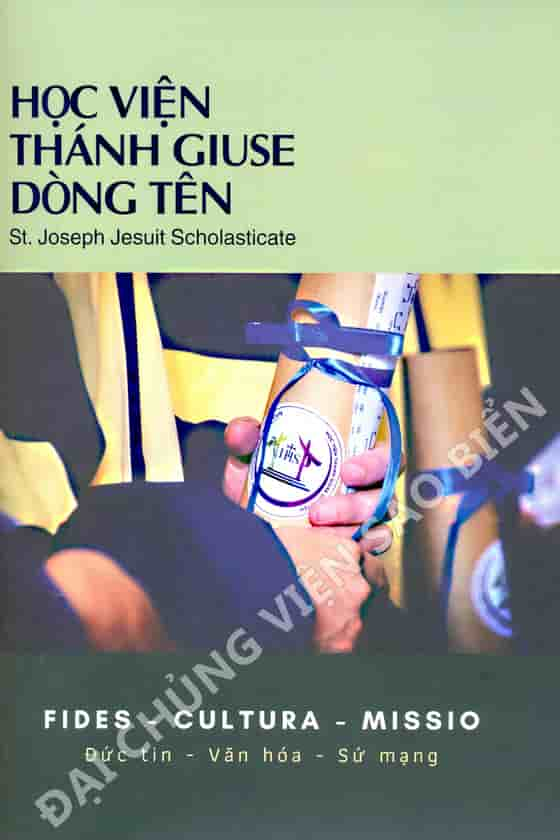
 Tác giả: Vô Danh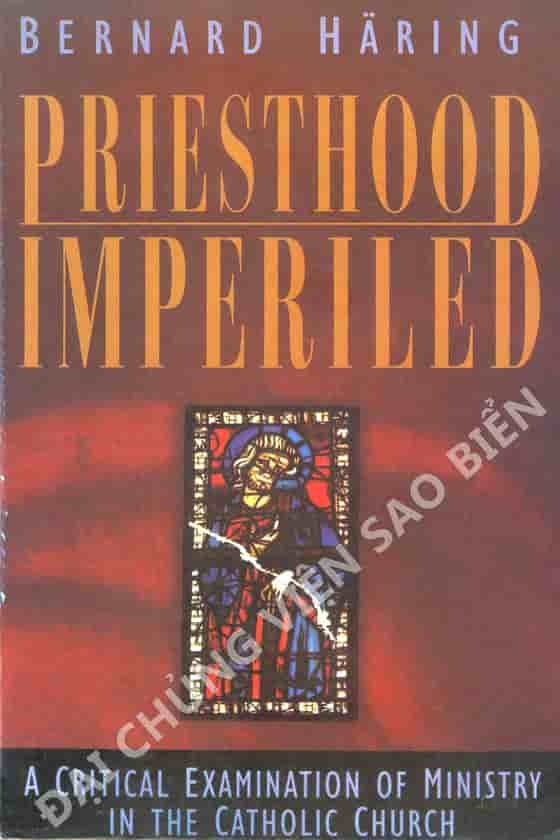
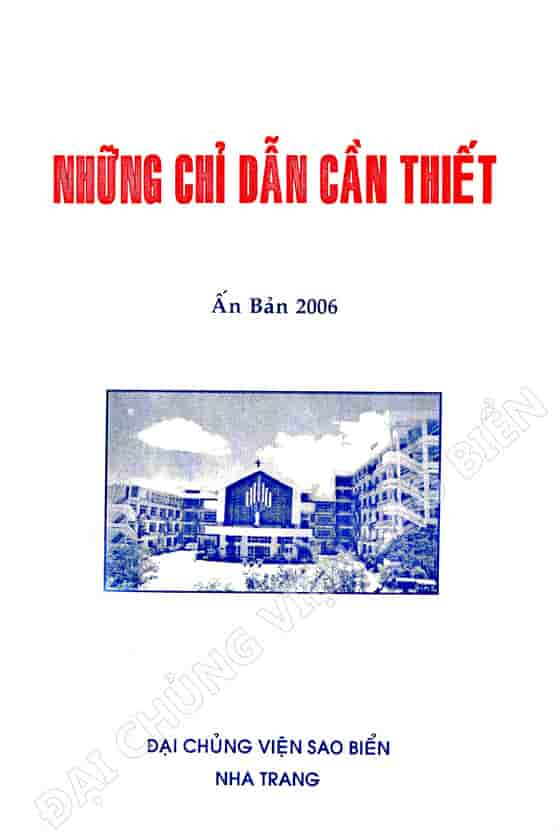

 Tác giả: Vô Danh

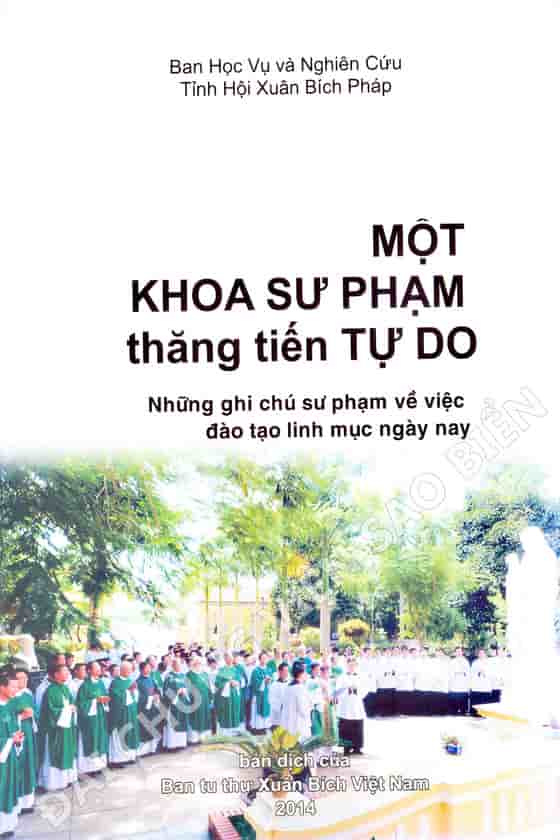
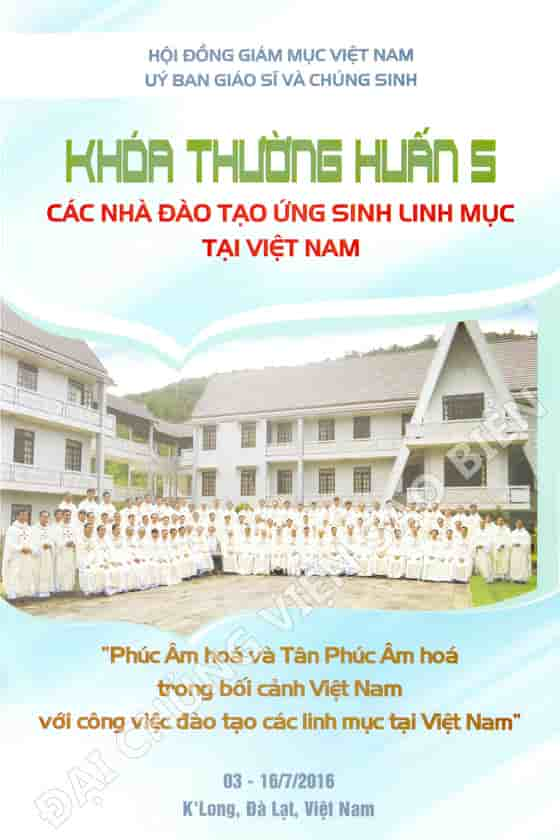
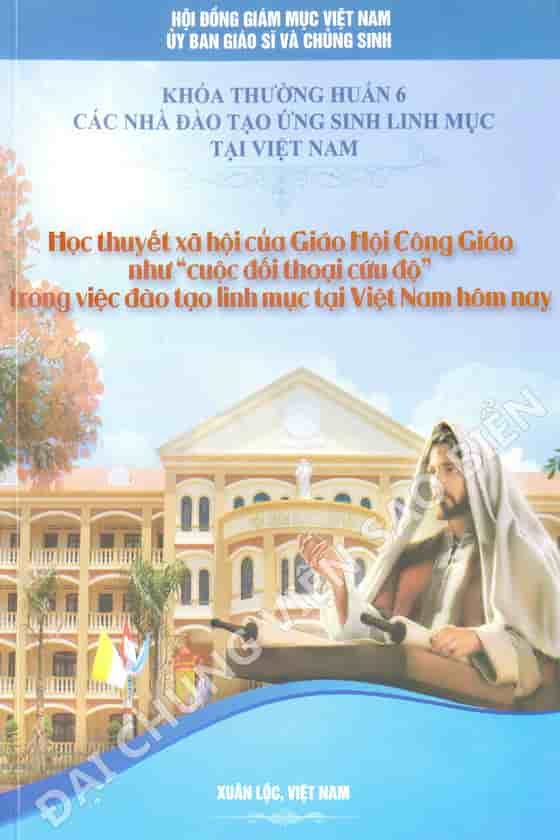

 Tác giả: Nhiều Tác Giả






 Tác giả: Nhiều Tác Giả
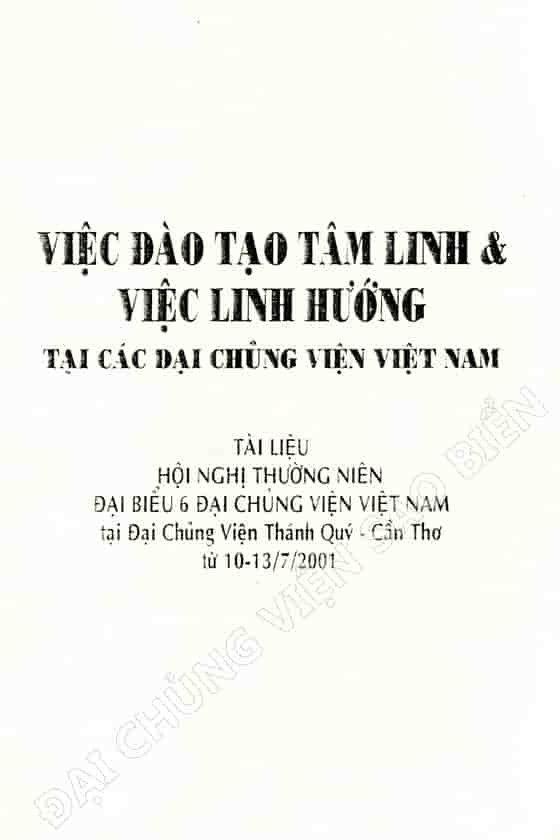
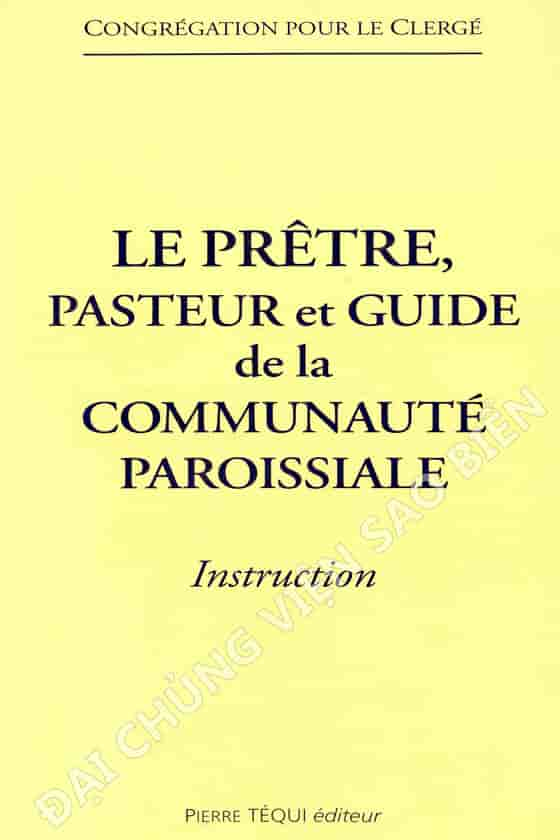
 Tác giả: Nhiều Tác Giả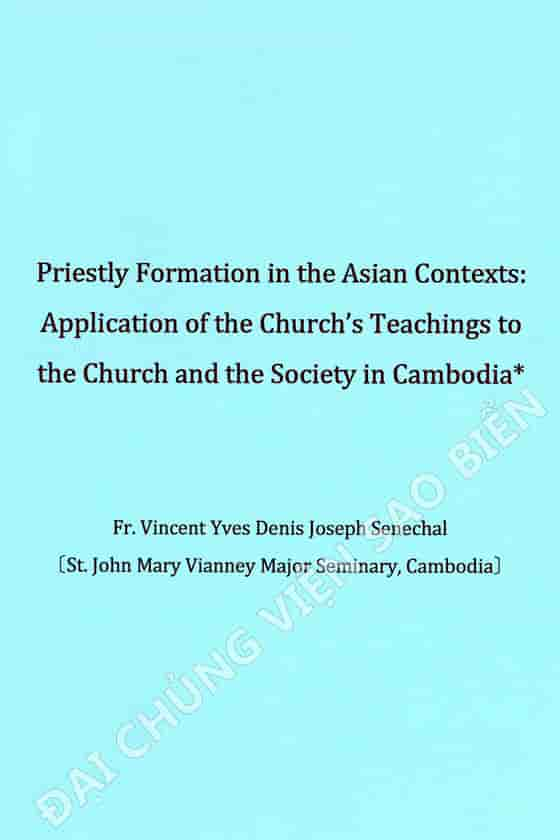

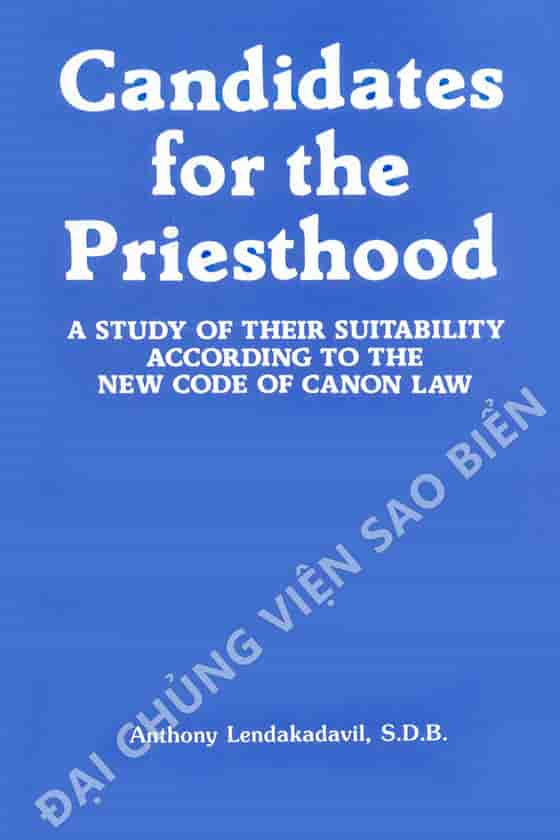
 Tác giả: Gioan Phaolô II
 Tác giả: Vô Danh