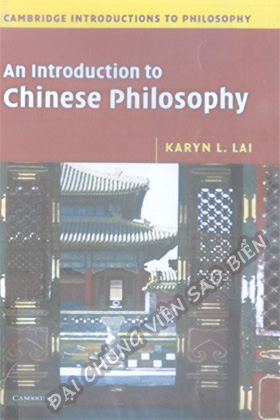
| An Introduction To Chinese Philosophy | |
| Tác giả: | Karyn L. Lai |
| Ký hiệu tác giả: |
LA-K |
| DDC: | 181.11 - Triết học Trung Hoa |
| Ngôn ngữ: | Anh |
| Số cuốn: | 1 |
Hiện trạng các bản sách
|
||||||||||||||||
| Preface | page xi |
| Lists of Dates | xiii |
| 1 Chinese Philosophy | 1 |
| Origins of Chinese Philosophy | 3 |
| Features of Chinese Philosophy | 4 |
| Self Cultivation | 4 |
| Understanding the Self: Relationships and Contexts | 6 |
| Conceptions of Harmony | 8 |
| Conceptions of Change | 10 |
| The Philosophy of the Yijing ( The Book of Changes) | 11 |
| Thinking Philosophically | 15 |
| 2 Confucius and the Cofucian Concepts Ren and Li | 19 |
| Reading the Analects | 19 |
| Ren: Humaneness | 21 |
| Ren as Love | 22 |
| Ren, the Confucian Golden Rule | 22 |
| Ren and the Cultivation of Special Relationships | 23 |
| Ren as Ethical Wisdom | 24 |
| Li: Behavioural Propriety | 25 |
| Ren and Li | 27 |
| Ren is Fundamental | 28 |
| Li is Fumdamental | 29 |
| Ren and Li are Interdependent Concepts | 30 |
| Ren and Li in Contemporary Philosophical Debates | 30 |
| 3 The Cultivation of Humanity in Confucian | |
| Philosophy: Mencius and Xunzi | 35 |
| Mencius: The Cultivation of Human Nature | 36 |
| Xunzi: The Regulation of Human Behaviour | 40 |
| Li (Appropriate Behaviour) and Fa (Standard and Penal Law | 41 |
| Zhengming: Regulating Society with Prescribed Titles | 43 |
| The Way of Heaven and the Way of Humanity | 45 |
| Personal Cultivation and Social Development | 47 |
| Character Development and the Cultivation of Skills | 49 |
| 4 Early Mohist Philosophy | 55 |
| Texts and Themes | 56 |
| The Essays | 57 |
| Maximising the Collective Good | 59 |
| Working with Standards | 63 |
| 5 Early Daoist Philosophy: The Dao De Jing as | |
| a Metaphysical Treatise | 71 |
| The origins of Daoist Philosophy and the Early Daoist Texts | 72 |
| Dao as Reality: the Search for a New Reality | 74 |
| Opposites: Contrast and Complementation | 81 |
| De and the Intergrity of the Individual | 84 |
| 6 Early Daoist Philosophy: Dao, Language and Society | 93 |
| Dao, Language and Indoctrination | 94 |
| Wuwei | 97 |
| Wuwei and Government | 99 |
| Wuwei and Learning | 102 |
| The Ethics of Ziran and Wuwei | 105 |
| 7 The Mingjia and the Later Mohists | 111 |
| The Mingjia Debates | 114 |
| Hui Shi | 115 |
| Gongsun Long | 118 |
| The Later Mohists | 123 |
| Argumentation and Disputation: Bian | 125 |
| Language, Names and Propositions | 128 |
| Scientific Discussions | 131 |
| Practising Jianai: Utilitarian Morality | 134 |
| Philosophy of Language in Early China | 136 |
| 8 Zhuangzi's Philosophy | 142 |
| Epistemological Questions in the Qiwu Lun | 145 |
| Interpretations of Zhuangzi's Scepticism | 152 |
| Cultivating Knack | 156 |
| The Implications of the Philosophy of the Zhuangzi | 166 |
| 9 Legalist Philosophy | 172 |
| Three Basic Themes: Penal Law, Technique and Power | 174 |
| Fa: Standards and Penal Law | 174 |
| Shu: The Technique of Managing the Bureaucracy | 178 |
| Shi: Power | 181 |
| Han Fei, the Great Synthesiser | 184 |
| Debates in Legalist Philosophy | 186 |
| Human Nature | 186 |
| Citizenry: the Role of the common People | 187 |
| Best Man and Best Laws | 189 |
| Bureaucracy | 191 |
| Secrecy, Power and the Control of Knowledge | 193 |
| Government and Human Development | 195 |
| 10 The Yijing and its Place in Chinese Philosophy | 199 |
| The Text and Commenraties | 201 |
| Comprehensive Synthesis and Correlative Thinking | |
| during the Han | 203 |
| Correlative Thinking: then Spirit of the Yijing | 212 |
| (1) The Primacy of Observation | 213 |
| (2) A Holistic, All-emcompassing Perspective | 214 |
| (3) A Dialectical and Complementary Approach to Dualisms | 215 |
| (4) Correlative Thinking and Resonance | 217 |
| (5) An Interpretive Approach to the Meanings of the | |
| Hexagrams and Correspondences | 220 |
| (6) Constant Moverment Maked by the Inevitability | |
| of Change | 223 |
| (7) The Action-guiding Nature of the Judgements | 226 |
| The Impact of the Yijing | 229 |
| 11 Chinese Buddhism | 235 |
| Basic Tenets of Buddhist Thought | 236 |
| The Introduction of Buddhism into China | 244 |
| Chinese Buddhist Doctrines during the fifth and | |
| sixth centuries CE | 250 |
| Three Treatise (San Lun) Buddhism | 251 |
| Consciousness-Only (Wei Shi) Buddhism | 253 |
| Tian Tai Buddhism | 255 |
| Flower Garland (Han Yan) Buddhism | 257 |
| Chan Buddhism | 261 |
| Chinese Buddism | 267 |
| Postscript | 272 |
| Glossary | 278 |
| Bibliography | 288 |
| Index | 300 |


Các tác phẩm cùng thể loại
-
-
 Tác giả: Lý Quốc Chương
 -
-
-
-
-
-
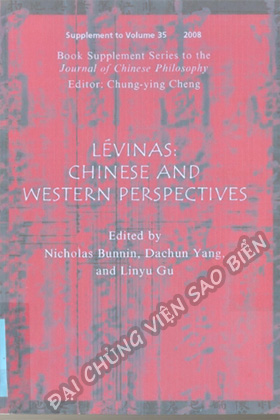 Tập số: 35
 -
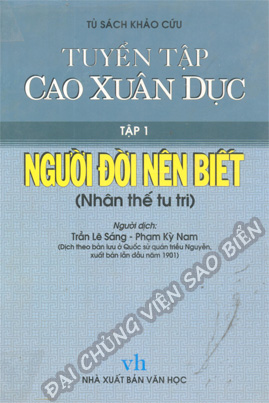
-
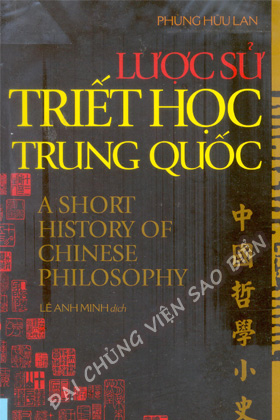
-
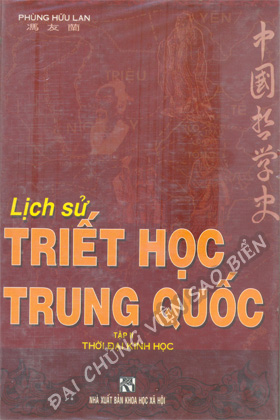
-
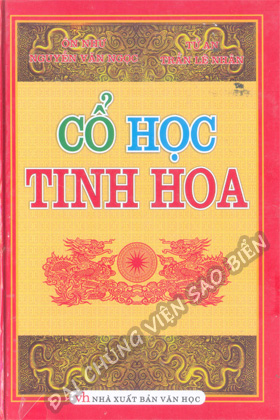 Tác giả: Ôn Như Nguyễn Văn Ngọc
 -
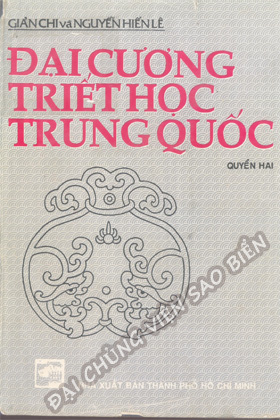
-
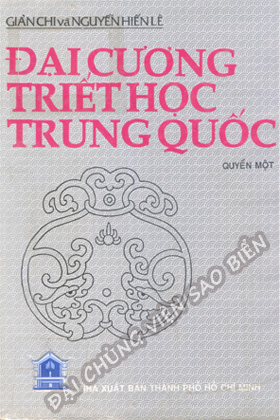
-
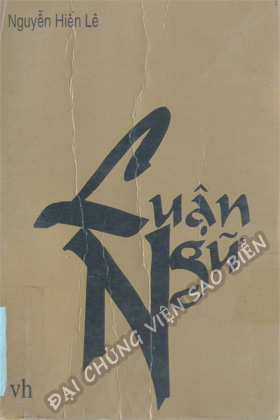 Tác giả: Nguyễn Hiến Lê
 -
-
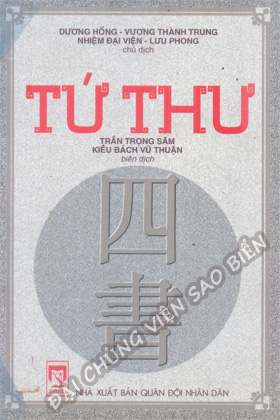 Tác giả: Khổng Tử, Mạnh Tử
 -
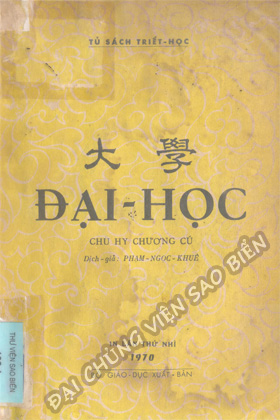 Tác giả: Chu Hy Chương Cú
 -
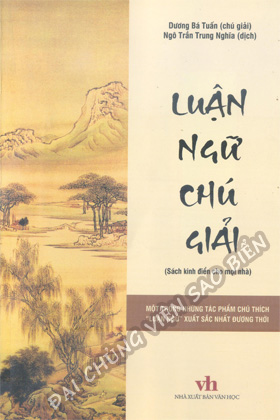 Tác giả: Dương Bá Tuấn
 -
-
-
-
-
-
 Tác giả: Doãn Chính
 -
-
-
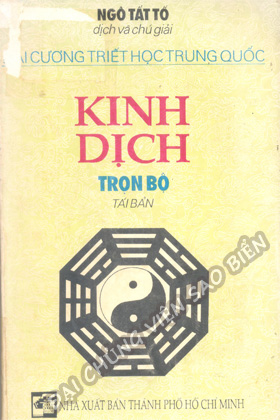
-
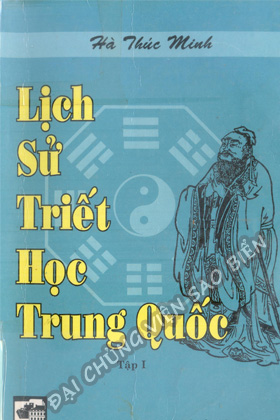
-
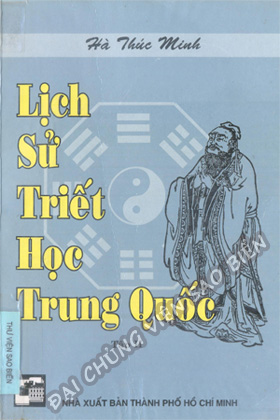
-
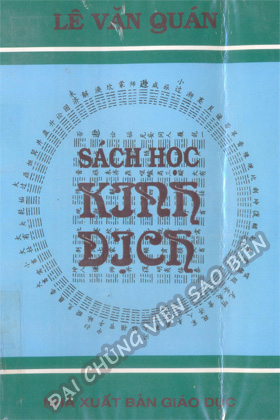 Tác giả: Lê Văn Quán
 -
 Tác giả: Trương Thiện Văn
 -
 Tác giả: Lý Minh Tuấn
 -
-
-
 Tác giả: Bùi Văn Nguyên
 -
 Tác giả: Tôn Đức Hậu
 -
 Tác giả: Phạm Quýnh
 -
-
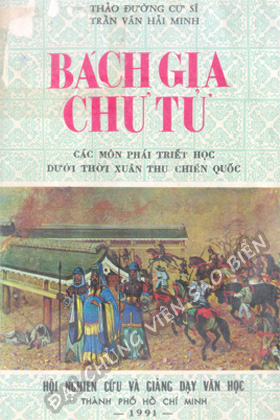 Tác giả: Trần Văn Hải Minh
 -
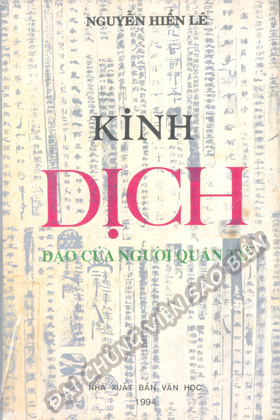
-
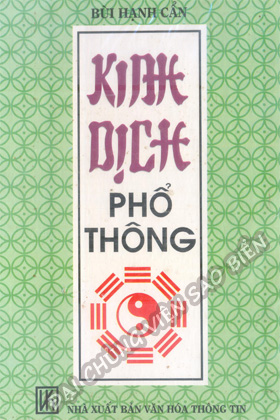 Tác giả: Bùi Hạnh Cẩn
 -
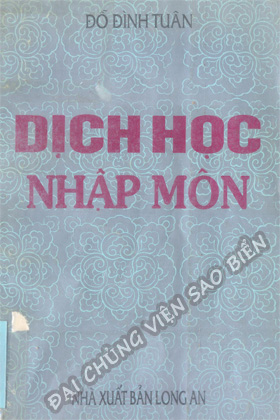 Tác giả: Đỗ Đình Tuân
 -
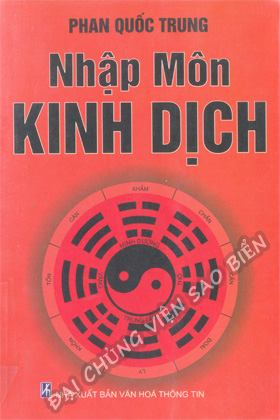 Tác giả: Phan Quốc Trung
 -
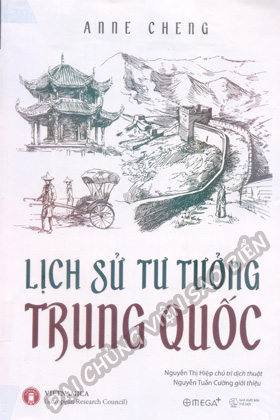 Tác giả: Anne Cheng
 -
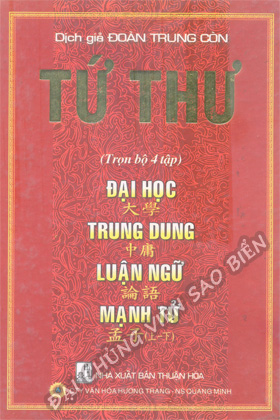 Tác giả: Khổng Tử, Mạnh Tử
 -
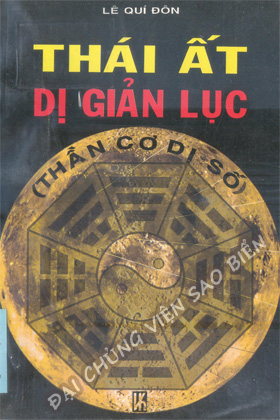 Tác giả: Lê Quí Đôn
 -
 Tác giả: Vô Danh
 -
 Tác giả: Nguyễn Tôn Nhan
 -
 Tác giả: Cung Giũ Nguyên
 -
 Tác giả: Vô Danh
 -
-
-
-
-
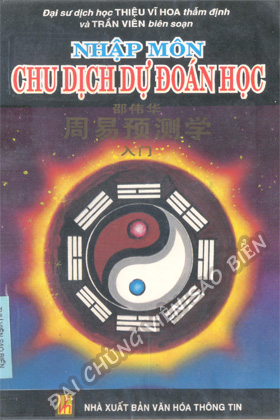 Tác giả: Vô Danh
 -
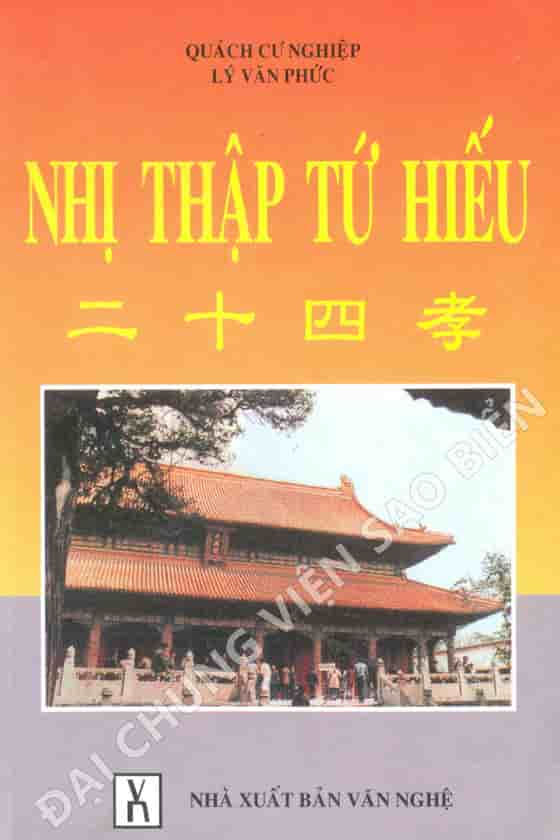
-
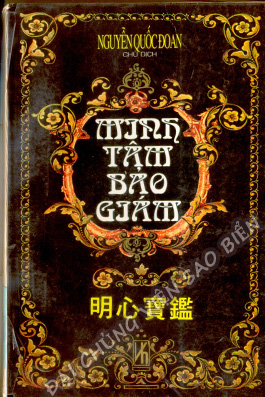 Tác giả: Nhiều Tác Giả
 -
 Tác giả: Thiệu Vĩ Hoa
 -

-

-
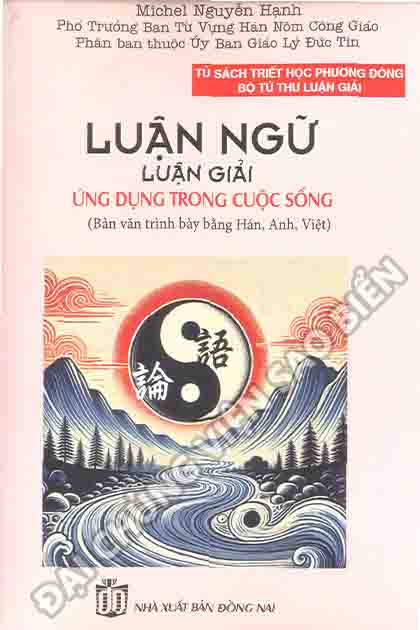
-
 Tác giả: Hồ Thích
 -
 Tác giả: Zhang Zhen Xue