| Chapter I Introducing the Old Testament |
|
|
|
|
11 |
| What Is the Bible? |
|
|
|
|
11 |
| Divine Revelation |
|
|
|
|
12 |
| The Nature of the Old Testament |
|
|
|
|
14 |
| The Books of the Old Testament |
|
|
|
|
15 |
| The Canon and Deutero-Canonical Books |
|
|
|
|
16 |
| The Term “Old” Testament |
|
|
|
|
19 |
| Brief Survey of the Total Picture of the Old Testament |
|
|
|
|
20 |
| How To Use This Textbook |
|
|
|
|
25 |
| Chapter 2 The People and Lands of the Old Testament |
|
|
|
|
28 |
| A. The Importance of “History” and “Geography” |
|
|
|
|
28 |
| The Study of History |
|
|
|
|
28 |
| Organizing Ancient Times |
|
|
|
|
29 |
| The Extent of the Ancient Near East |
|
|
|
|
31 |
| Geography of the Near East |
|
|
|
|
33 |
| D. Egypt |
|
|
|
|
36 |
| “The Gift of the Nile” |
|
|
|
|
36 |
| Two Thousand Years of History |
|
|
|
|
37 |
| c. A Survey of the Semitic Peoples |
|
|
|
|
40 |
| Sumer |
|
|
|
|
40 |
| The Akkadians |
|
|
|
|
41 |
| Babylon |
|
|
|
|
42 |
| Assyria |
|
|
|
|
43 |
| Syria |
|
|
|
|
44 |
| The Philistines |
|
|
|
|
46 |
| The Small Stales Across the Jordan |
|
|
|
|
48 |
| D. Distant Non-Scmitic Neighbors |
|
|
|
|
49 |
| The Hittites |
|
|
|
|
49 |
| Persia |
|
|
|
|
50 |
| Greece |
|
|
|
|
50 |
| Chapter 3 Archaeology and the old Testament |
|
|
|
|
52 |
| What Is Archaeology? |
|
|
|
|
52 |
| The Method of Archaeology |
|
|
|
|
54 |
| Some Major Archaeological Excavations ill Palestine |
|
|
|
|
59 |
| Major Literary Finds in Syria |
|
|
|
|
61 |
| Major Non-Biblical Literary Finds in Palestine |
|
|
|
|
61 |
| The Value and Limit of Archaeology |
|
|
|
|
67 |
| Chapter 4 Literary Tools for Old Testament Study |
|
|
|
|
69 |
| The Bible Is a Written Document! |
|
|
|
|
69 |
| Textual Criticism |
|
|
|
|
70 |
| Text Traditions |
|
|
|
|
73 |
| Versions |
|
|
|
|
74 |
| The Bible as Literature and Story |
|
|
|
|
75 |
| Oral Tradition |
|
|
|
|
77 |
| Higher Criticism |
|
|
|
|
80 |
| Source Criticism |
|
|
|
|
81 |
| Form Criticism |
|
|
|
|
84 |
| Tradition History |
|
|
|
|
85 |
| Thetorical Criticism |
|
|
|
|
87 |
| Chapter 5 The Pentateuch |
|
|
|
|
89 |
| The Five Books of Moses |
|
|
|
|
89 |
| Moses as Author |
|
|
|
|
90 |
| The Source Critics and the Pentateuch |
|
|
|
|
92 |
| Wellhausen’s History of the Four Sources |
|
|
|
|
94 |
| The Yahwist Epic |
|
|
|
|
98 |
| The Elohist Source |
|
|
|
|
101 |
| The Priestly Source |
|
|
|
|
103 |
| Form Critics and the Pentateuch |
|
|
|
|
106 |
| Chapter 6 Genesis 1-111:The Preface to Israel's Story |
|
|
|
|
109 |
| Genesis: The First Book of the Bible |
|
|
|
|
109 |
| Genesis 1-11 as Preface |
|
|
|
|
110 |
| The Priestly Creation Story (Gen 1:1-2:4) |
|
|
|
|
114 |
| The Yahwist Creation Story (Gen 2:4-25) |
|
|
|
|
118 |
| The Sin in the Garden (Gen 3) |
|
|
|
|
119 |
| Cain and Abel (Gen 4) |
|
|
|
|
122 |
| The Genealogies of Genesis 4-5 |
|
|
|
|
122 |
| The Giants Born of Sin (Gen 6:1-4) |
|
|
|
|
123 |
| Noah and the Flood (Gen 6-9) |
|
|
|
|
124 |
| The Epic of Gilgamesh and the Flood |
|
|
|
|
126 |
| The List of the World’s Nations (Gen 10) |
|
|
|
|
128 |
| The Tower of Babel (Gen 11:1-9) |
|
|
|
|
128 |
| The Genealogy of Abraham (Gen 11:10-32) |
|
|
|
|
129 |
| The Final Shape of Genesis 1-11 (Summary) |
|
|
|
|
129 |
| Is Genesis 1-11 Myth or History? |
|
|
|
|
130 |
| Chapter 7 Genesis 12-50: The Patriarchs |
|
|
|
|
133 |
| The Patriarchs as “National” Heroes |
|
|
|
|
133 |
| The Setting of the Patriarchal Stories |
|
|
|
|
134 |
| The Story of Abraham (Gen 12-25) |
|
|
|
|
136 |
| Promise and Covenant |
|
|
|
|
138 |
| Abraham the Faithful |
|
|
|
|
141 |
| The Story of Isaac and Jacob (Gen 24-36) |
|
|
|
|
144 |
| 'The Patriarchal Stories as Sagas |
|
|
|
|
148 |
| The Story of Joseph (Gen 37-50) |
|
|
|
|
149 |
| The Patriarchs and the “God of the Fathers” |
|
|
|
|
152 |
| Chapter 8 The Exódus from Egypt |
|
|
|
|
155 |
| The Exodus Event |
|
|
|
|
155 |
| Egypt In the Period of the Exodus |
|
|
|
|
156 |
| Pharaoh Akhenaton and Monotheism |
|
|
|
|
158 |
| The Ainarna Letters |
|
|
|
|
159 |
| Israel’s Time in Egypt |
|
|
|
|
161 |
| The Book of Exodus |
|
|
|
|
164 |
| Moses and the Struggle for Freedom (Ex 1-4) |
|
|
|
|
165 |
| The Plagues and the Passover of the Lord (Ex 5-12) |
|
|
|
|
157 |
| The Miracle at the Red Sea (Ex 13-15) |
|
|
|
|
169 |
| Desert Escape (Ex 15-18) |
|
|
|
|
170 |
| Chapter 9 The Covenant and Journey to Canaan (Exodos 19 through Numbers) |
|
|
|
|
173 |
| The Importance of the Sinai Covenant |
|
|
|
|
173 |
| The Nature of a “Covenant” |
|
|
|
|
174 |
| Ancient Covenant Forms |
|
|
|
|
176 |
| Exodus 19-24 and 32-34: The Giving of the Covenant |
|
|
|
|
181 |
| Exodus 25-31 and 35-40: The Ark of the Covenant and Tent of Meeting |
|
|
|
|
182 |
| The Pentateuch as Law |
|
|
|
|
184 |
| Other Ancient Law Codes |
|
|
|
|
186 |
| Leviticus |
|
|
|
|
188 |
| The Book of Numbers |
|
|
|
|
190 |
| The Murmuring in the Desert |
|
|
|
|
191 |
| The Book of Deuteronomy |
|
|
|
|
193 |
| Chapter 10 The Israelite Possession of Canaan: The Books of Joshua and Judges |
|
|
|
|
195 |
| The “Historical Books” |
|
|
|
|
195 |
| The Book of Joshua |
|
|
|
|
196 |
| The Book of Judges |
|
|
|
|
198 |
| Evaluating the Difference Between Joshua and Judges |
|
|
|
|
200 |
| Joshua and the Conquest of Palestine |
|
|
|
|
201 |
| Theories of a Peaceful Settlement or Internal Revolt |
|
|
|
|
203 |
| “The Deuteronomic History” in Joshua and Judges |
|
|
|
|
205 |
| The Twelve Tribes |
|
|
|
|
207 |
| The Tribal League |
|
|
|
|
209 |
| The Significance of the Land for Israel |
|
|
|
|
210 |
| Chapter 11 Canaanite Religion and Culture |
|
|
|
|
213 |
| A Land Flowing with Milk and Honey |
|
|
|
|
213 |
| The Lure of Canaanite Religion |
|
|
|
|
214 |
| Canaanite Nature Religion |
|
|
|
|
216 |
| The Canaanite Gods |
|
|
|
|
217 |
| The Religious Myth of Baal |
|
|
|
|
219 |
| Israelite Echoes of the Myth |
|
|
|
|
221 |
| Other Religious Practices |
|
|
|
|
222 |
| Summary |
|
|
|
|
225 |
| Chapter 12 “A King Like Those of Other Nalions”:The Books of Samuel and Kings |
|
|
|
|
227 |
| A. The Books of Samuel and Kings |
|
|
|
|
227 |
| A Changing World |
|
|
|
|
227 |
| The Life of Samuel |
|
|
|
|
228 |
| The Story of Saul |
|
|
|
|
229 |
| David's Rise to Power |
|
|
|
|
230 |
| The Dark Side of David |
|
|
|
|
232 |
| King David’s Glory |
|
|
|
|
234 |
| Solomon and Israel’s Age of Glory |
|
|
|
|
236 |
| Evaluating Solomon’s Reign |
|
|
|
|
238 |
| B. Kingship in the Ancient World |
|
|
|
|
240 |
| Kingship Among Israel’s Neighbors |
|
|
|
|
240 |
| Kingship in Israel |
|
|
|
|
242 |
| Chapter 13 Daily Life in Ancient Israel |
|
|
|
|
245 |
| Changing Patterns of Life |
|
|
|
|
245 |
| City Life |
|
|
|
|
246 |
| The Human Person in Israelite Thinking |
|
|
|
|
247 |
| Sickness and Old Age |
|
|
|
|
248 |
| Death and Afterlife |
|
|
|
|
250 |
| Daily Work |
|
|
|
|
252 |
| The Family in Israel |
|
|
|
|
255 |
| Sexual Attitudes |
|
|
|
|
257 |
| Marriage Customs |
|
|
|
|
258 |
| Friends and Enemies |
|
|
|
|
259 |
| Legal Justice in Early Israel |
|
|
|
|
261 |
| Royal Justice |
|
|
|
|
263 |
| Slavery |
|
|
|
|
264 |
| Chapter 14 Israelite Worship and Prayer |
|
|
|
|
266 |
| A. The Development of Israelite Worship |
|
|
|
|
266 |
| From the Beginnings to David |
|
|
|
|
266 |
| The Temple of Solomon |
|
|
|
|
269 |
| Temple Worship |
|
|
|
|
272 |
| Feast Days |
|
|
|
|
275 |
| The Priests and Levites |
|
|
|
|
277 |
| B. The Psalms and Israel’s Prayer |
|
|
|
|
279 |
| The Piety of Israel |
|
|
|
|
279 |
| The Nature of the Book of Psalms |
|
|
|
|
279 |
| The Variety and Richness of the Psalms |
|
|
|
|
281 |
| The Liturgical Origins of the Psalms |
|
|
|
|
283 |
| Personal Piety and the Psalms |
|
|
|
|
285 |
| Sickness and Tragedy in the Psalms |
|
|
|
|
289 |
| Chapter 15 The Kingdom Split into Two |
|
|
|
|
292 |
| Collapse ak the Death of Solomon |
|
|
|
|
292 |
| The Books of Kings |
|
|
|
|
294 |
| The Prophets Elijah and Elisha |
|
|
|
|
297 |
| The Theology of the Books of Kings |
|
|
|
|
301 |
| The Rise of Prophecy |
|
|
|
|
303 |
| The Writing Prophets |
|
|
|
|
306 |
| Chapter 16 The Great Prophets of the Eighth Century |
|
|
|
|
309 |
| The Assyrian Rise to Power |
|
|
|
|
309 |
| Israel’s Age of Prosperity |
|
|
|
|
311 |
| Collecting and Editing the Prophets’ Words |
|
|
|
|
313 |
| Amos: Prophet of God’s Justice |
|
|
|
|
315 |
| Amos and the Tradition of Prophetic Language |
|
|
|
|
317 |
| Amos and the Radical New Direction of Prophecy |
|
|
|
|
318 |
| Hosea and the Knowledge of God |
|
|
|
|
320 |
| The Prophet of Divine Compassion Isaiah of Jerusalem |
|
|
|
|
322 |
| Isaiah and the Historian |
|
|
|
|
326 |
| The Message of Isaiah |
|
|
|
|
327 |
| Isaiah and the Royal Traditions of Jerusalem |
|
|
|
|
331 |
| Micah of Moresheth |
|
|
|
|
334 |
| Chapter 17 The Last Days of the Kingdom of Judah |
|
|
|
|
338 |
| The First Half of the Seventh Century |
|
|
|
|
338 |
| The Book of Zephaniah |
|
|
|
|
340 |
| King Josiah’s Reform |
|
|
|
|
343 |
| Josiah’s Political Gains |
|
|
|
|
344 |
| The Book of Deuteronomy |
|
|
|
|
347 |
| Deuteronomy and the Covenant |
|
|
|
|
350 |
| The Place of Worship in the Land |
|
|
|
|
352 |
| Who Wrote Deuteronomy? |
|
|
|
|
354 |
| The Results of Josiah’s Reform |
|
|
|
|
356 |
| The Prophet Nahum |
|
|
|
|
357 |
| The Prophet Habakkuk |
|
|
|
|
358 |
| Chapter 18 Jeremiah and the Deuteronoimic History |
|
|
|
|
360 |
| A.Jeremiah the Prophet |
|
|
|
|
360 |
| The background of the Book of Jeremiah |
|
|
|
|
360 |
| The Political Situation of Jeremiah's Day |
|
|
|
|
363 |
| Jeremiah’s Message |
|
|
|
|
365 |
| The Temple Sermon |
|
|
|
|
368 |
| Jeremiah’s “Confessions” |
|
|
|
|
371 |
| The Call of the Prophet |
|
|
|
|
372 |
| Jeremiah’s Words of Hope |
|
|
|
|
373 |
| B.The Deuteronomisl’s History |
|
|
|
|
374 |
| Origins |
|
|
|
|
374 |
| The Pattern of the Deuteronomic History |
|
|
|
|
376 |
| Conclusion |
|
|
|
|
378 |
| Chapter 19 Prophecy During the Babylonian Exile |
|
|
|
|
383 |
| A.Dealing with Loss |
|
|
|
|
383 |
| On Living in Exile |
|
|
|
|
383 |
| The First Jewish “Diaspora” |
|
|
|
|
384 |
| B.Ezekiel the Prophet |
|
|
|
|
386 |
| The Prophet Called in Exile (Ez 1-3) |
|
|
|
|
386 |
| The Nature of the Book of Ezekiel |
|
|
|
|
388 |
| Ezekiel’s Theology of Judgment |
|
|
|
|
392 |
| The Plan of Restoration |
|
|
|
|
395 |
| C.The “Priestly” Edition of the Pentateuch |
|
|
|
|
398 |
| A New Interpretation of Israel's Faith |
|
|
|
|
398 |
| The Shape of the Priestly Pentateuch |
|
|
|
|
399 |
| The Theology of the Priestly Writers |
|
|
|
|
400 |
| Chapter 20 Sing us a Song of Zionl |
|
|
|
|
405 |
| A. Other Responses to the Exile |
|
|
|
|
405 |
| The Devastation of Judah |
|
|
|
|
405 |
| The Book of Lamentations |
|
|
|
|
406 |
| The Prophet Obadiah |
|
|
|
|
410 |
| Psalm 137 |
|
|
|
|
412 |
| The Exile Nears Its End |
|
|
|
|
413 |
| The Rise of Persia as a World Power |
|
|
|
|
414 |
| B. Second Isaiah |
|
|
|
|
416 |
| Who Was Second Isaiah? |
|
|
|
|
416 |
| The Outline of the Book |
|
|
|
|
418 |
| The Message of the Prophet |
|
|
|
|
422 |
| The Servant Songs |
|
|
|
|
427 |
| Chapter 21 The Struggle to Restore the Land (540-500 B.C.) |
|
|
|
|
431 |
| Persian Political Policy |
|
|
|
|
431 |
| Persian Religion: Zoroaster |
|
|
|
|
433 |
| Biblical Sources for the Period after the Exile |
|
|
|
|
434 |
| The Return Gets Underway |
|
|
|
|
435 |
| Opposition and Difficulties |
|
|
|
|
437 |
| The Prophet Haggai |
|
|
|
|
438 |
| The Prophet Zechariah |
|
|
|
|
440 |
| Second Zechariah |
|
|
|
|
441 |
| Isaiah 56-6Ọ |
|
|
|
|
443 |
| Changes in Prophecy in the Exile and After |
|
|
|
|
445 |
| Chapter 22 Life in the Post-Exilic Community |
|
|
|
|
449 |
| The Work of the Chroniclers |
|
|
|
|
449 |
| The Books of Chronicles |
|
|
|
|
451 |
| The Book of Ezra |
|
|
|
|
453 |
| The Book of Nehemiah |
|
|
|
|
455 |
| Confusion between Ezra’s and Nehemiah’s Reforms |
|
|
|
|
457 |
| Ezra and the Beginning of the Old Testament Canon |
|
|
|
|
458 |
| The Samaritans |
|
|
|
|
459 |
| The Jewish Colony.at Elephantine |
|
|
|
|
460 |
| The Book of Malachi |
|
|
|
|
462 |
| The book of Joel |
|
|
|
|
462 |
| The Book of Jonah |
|
|
|
|
466 |
| Chapter 23 The Cultivation of Wisdom |
|
|
|
|
472 |
| What Is a Wisdom Book? |
|
|
|
|
472 |
| The International World of Wisdom |
|
|
|
|
474 |
| The Origins of Wisdom in Israel |
|
|
|
|
475 |
| The Way of the Wise |
|
|
|
|
477 |
| The Book of Proverbs |
|
|
|
|
479 |
| The Book of Job |
|
|
|
|
481 |
| The Book of Ecclesiastes |
|
|
|
|
483 |
| The Song of Songs (The Canticle of Canticles) |
|
|
|
|
485 |
| Sirach (Ecclesiasticus) |
|
|
|
|
486 |
| The Book of Wisdom |
|
|
|
|
488 |
| The Achievement of Wisdom |
|
|
|
|
489 |
| Chapter 24 Faith Confronting New Challenges |
|
|
|
|
492 |
| A.Judaism in the World of the Greeks |
|
|
|
|
492 |
| Alexander the Great |
|
|
|
|
492 |
| Hellenistic Culture |
|
|
|
|
496 |
| The Book of Esther |
|
|
|
|
497 |
| The Book of Judith |
|
|
|
|
499 |
| The Book of Ruth |
|
|
|
|
500 |
| The Book of Tobit |
|
|
|
|
501 |
| The Book of Baruch and Letter of Jeremiah |
|
|
|
|
502 |
| The Jewish Struggle for Freedom (175-160 B.c.) |
|
|
|
|
503 |
| The First Book of Maccabees |
|
|
|
|
504 |
| The Second Book of Maccabees |
|
|
|
|
505 |
| B.The Book of Daniel and Apocalyptic Thought |
|
|
|
|
506 |
| The Book of Daniel |
|
|
|
|
506 |
| The opceial Purpose of Daniel |
|
|
|
|
509 |
| The Lasting Significance of Daniel |
|
|
|
|
510 |
| More on Apocalyptic |
|
|
|
|
511 |
| The Value of Apocalyptic |
|
|
|
|
514 |
| Chapter 25 The Closing of the Gid Testament |
|
|
|
|
517 |
| Judaism at the Dawn of the Christian Era |
|
|
|
|
517 |
| The End of Jewish Independence and the Rule of Rome |
|
|
|
|
518 |
| Herod the Great (40 to 4 B.C.) |
|
|
|
|
521 |
| The Religious Movements of the First Century B.C. |
|
|
|
|
521 |
| (A) Pharisees, (Đ) Sadducees, (C) Essenes The Dead Sea Scrolls |
|
|
|
|
526 |
| Other Jewish Literature Outside the Bible |
|
|
|
|
527 |
| The Talmud |
|
|
|
|
529 |
| Hope for a Messiah |
|
|
|
|
531 |
| Creating a Canon of Scripture |
|
|
|
|
535 |
| The Value of the Old Testament for Christians |
|
|
|
|
537 |
| Themes of Continuity between the New and Old Testaments |
|
|
|
|
539 |
| Respecting the old Testament Message |
|
|
|
|
540 |
| Chapter 26 Themes of Old Testament Theology |
|
|
|
|
543 |
| Discovering the Central Focus of the Bible |
|
|
|
|
543 |
| The Only God |
|
|
|
|
544 |
| God Active in History |
|
|
|
|
545 |
| Personal Response and Prayer |
|
|
|
|
546 |
| Covenant and Tradition |
|
|
|
|
547 |
| The Prophets and Justice |
|
|
|
|
548 |
| Hope and the Future |
|
|
|
|
549 |
| The Mystery of God’s Ways |
|
|
|
|
551 |
| Table of Abbreviations |
|
|
|
|
553 |
| Beading List and Study Guide |
|
|
|
|
554 |
| Index |
|
|
|
|
561 |




 Tác giả: J. Nguyen, OP
 Tác giả: Lm. Trần Phúc Nhân
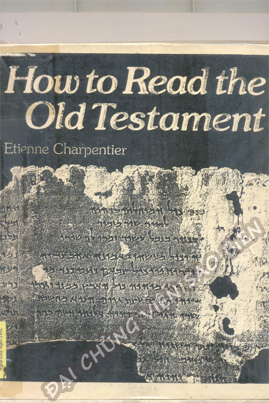
 Tác giả: Etienne Charpentier
 Tác giả: Etienne Charpentier
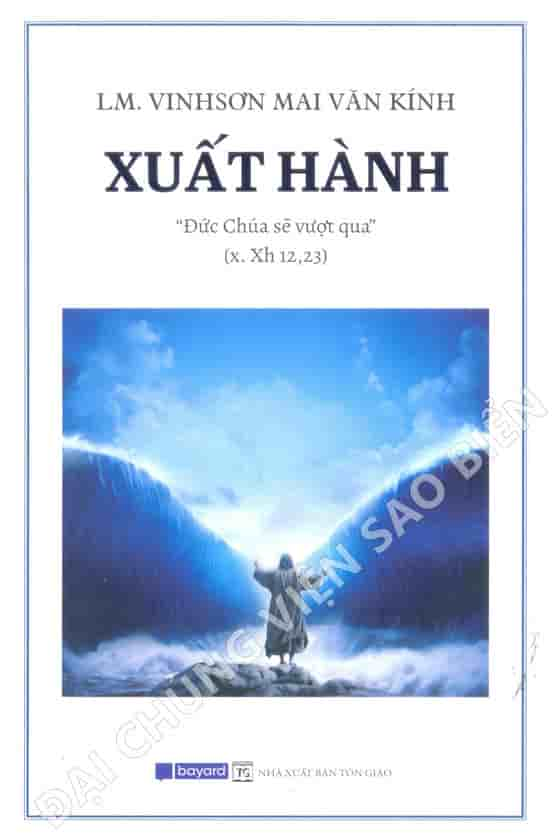 Tác giả: Lm. Vinh Sơn Mai Văn Kính