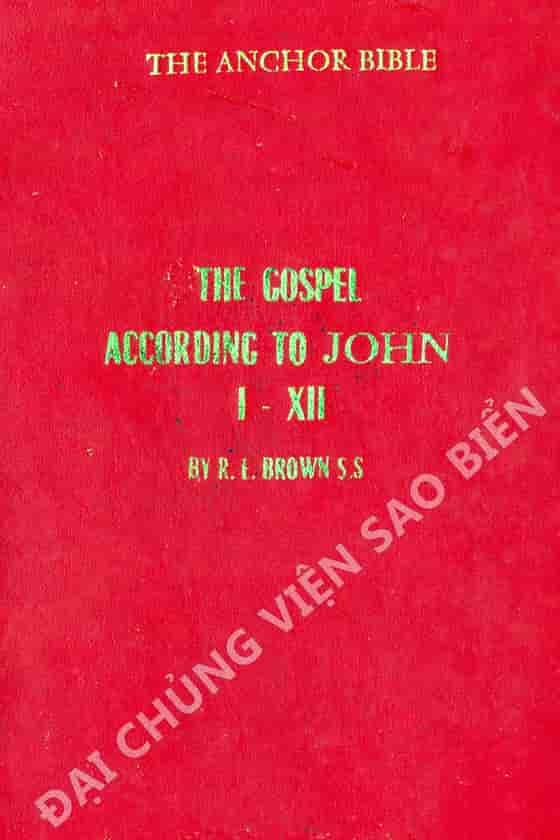
| The Gospel According to John | |
| Phụ đề: | (i-xii) |
| Tác giả: | Fr. Raymond E. Brown, S.S. |
| Ký hiệu tác giả: |
BR-R |
| DDC: | 226.5 - Tin Mừng Thánh Gioan |
| Ngôn ngữ: | Anh |
| Tập - số: | 29 |
| Số cuốn: | 5 |
Hiện trạng các bản sách
|
|
|
||||||||||||||||||||||||||||||||||||||||||||||||
|
|
|||||||||||||||||||||||||||||||||||||||||||||||||
| Preface | V |
| Principal Abbreviations | XIII |
| INTRODUCTION | XXI |
| I. The Present State of Johannine Studies | XXI |
| II. The Unity and Composition of the Fourth Gospel | XXIV |
| A. The Problem | XXIV |
| B. Possible Solutions | XXV |
| (1) Theories of Accidental Displacements | XXVI |
| (2) Theories of Multiple Source | XXVM |
| (3) Theories of Multiple Editions | XXXII |
| C. The Theory Adopted in This Commentary | XXXIV |
| III. The Tradition behind the Fourth Gospel | XLI |
| A. The Value of the Information Found Only in John | XLII |
| B. The Question of Dependency upon the Synoptic Gospels | XLIV |
| C. The Value of John in Reconstructing Jesus’ Ministry | XLVU |
| IV. Proposed Influences on the Religious Thought of the Fourth Gospel | LII |
| A. Gnosticism | LII |
| (1) John and Christian Gnosticism | LIII |
| (2) John and the Reconstructed Pre-Christian Gnosticism | LIV |
| B. Hellenistic Thought | LVI |
| (1) John and Greek Philosophy | LVII |
| (2) John and Philo | LVII |
| (3) John and the Hermetica | LVIII |
| C. Palestinian Judaism | LIX |
| (1) John and the Old Testament | LIX |
| (2) John and Rabbinic Judaism | LXI |
| (3) John and Qumran | LXII |
| V. The Destination and Purpose of the Fourth Gospel | LXVTT |
| A. Apologetic Kgoinst the Sectarians of John the Baptist | LXVTT |
| B. Argument with the Jews | LXX |
| (1) Justification of Christian Claims against Jewish Unbelief | LXX |
| (2) Appeal to Jewish Christians In the Diaspora Synagogues | LXXM |
| C. Argument against Christian Heretics | LXXV |
| D Encouragement to Believing Christians, Gentile and Jew | LXXVII |
| VI lite Date of the Final Written Form of the Gospel | LXXX |
| A. The Latest Plausible Date | LXXX |
| B. The Earliest Plausible Date | LXXXIII |
| VII. The Identity of the Author and the Place of Composition | LXXXVII |
| A. The External Evidence about the Author | LXXXV |
| B. The Internal Evidence about the Author | XCII |
| C. Correlation of the Hypothesis of John as Author with a Modem Theory of Composition | XCVIII |
| D. The Place of Composition | CIII |
| VIII Crucial Questions in Johannine Theology | CV |
| A. Eccleslology | CV |
| B. Sacramentallsm | CXI |
| C. Eschatology | CXV |
| D. Wisdom Motifs | CXXII |
| IX. The Language, Text, and Format of the Gospel and Some Considerations on style | CXXIX |
| A. The Original language of the Gospel | CXXIX |
| B. The Greek Text of the Gospel | CXXXI |
| Q The Poetic Format of the Gospel Discourses | CXXXII |
| D. Notable Characteristics in Johannine Style | CXXXV |
| X. The Outline of the Gospel | CXXXVIII |
| A. The General Outline of the Gospel | CXXXVM |
| B. The General Outline of Bro Book of Signs | CXXXIX |
| XI. General Selected Bibliography | CXLV |
| I. PROLOGUE | |
| 1. The Introductory Hymn (i 1-18) | 3 |
| IL THE BOOK OF SIGNS | |
| PART ONE: THE OPENING DAYS OF THE REVELATION OF JESUS | |
| 2. The Testimony of John the Baptist: Concerning His Role (1 19-28) | 42 |
| 3. The Testimony of John the Baptist: Concerning Jesus (i 29-34) | 55 |
| 4. The Baptist’s Disciples Come to Jesus: The First Two Disciples and Simon Peter (i 35-42) | 73 |
| 5. The Baptist’s Disciples Come to Jesus: Philip and Nathanael (i 43-51) | 81 |
| PART TWO: FROM CANA TO CANA | |
| 6. The First Sign at Cana in Galilee Changing of Water to Wine (ii 1-11) | 97 |
| 7. Jesus Goes to Capernaum (ii 12) | 112 |
| 8. The Cleansing of the Temple in Jerusalem (ii 13-22) | 114 |
| 9. Reaction to Jesus in Jerusalem (ii 23-25) | 126 |
| 10. Discourse with Nicodemus in Jerusalem (iii 1-21) | 128 |
| 11. The Baptist’s Final Witness (iii 22-30) | 150 |
| 12. The Discourse Concluded (iii 31-36) | 157 |
| 13. Jesus Leaves Judea (iv 1-3) | 164 |
| 14. Discourse with the Samaritan Woman at Jacob’s Well (iv 4 42) | 166 |
| 15. Jesus Enters Galilee (iv 43-45) | 186 |
| 16. The Second Sign at Cana in Galilee Healing the Official’s Son (iv 46-54) | 190 |
| PART THREE: JESUS AND THE PRINCIPAL FEASTS OF THE JEWS | |
| 17. Jesus on the Sabbath: The Healing at Bethesda (v 1-15) | 205 |
| 18. Jesus on the Sabbath: Discourse on His Sabbath Work (V 16-30) | 212 |
| 19. Jesus on the Sabbath: Discourse on His Sabbath Work (continued) (v 31-47) | 222 |
| 20. Jesus at Passover: The Multiplication of the Loaves (vi 1-15) | 231 |
| 21. Jesus at Passover: Walking on the Sea of Galilee (vi 16 21) | 251 |
| 22. Jesus at Passover: The Crowd Comes to Jesus (vi 22-24) | 257 |
| 23. Jesus at Passover: Preface to the Discourse on the Bread of Life (vi 25-34) | 260 |
| 24. Jesus at Passover: Discourse on the Bread of Life (vi 35-50) | 268 |
| 25. Jesus at Passover: Discourse on the Bread of Life (continued) (vi 51-59) | 281 |
| 26. Jesus at Passover: Reactions to the Discourse on the Bread of Life (vi 60-71) | 295 |
| 27. Jesus at Tabernacles: Introduction (vii 1-13) | 305 |
| 28. Jesus at Tabernacles: Scene One (vii 14-36) | 310 |
| 29. Jesus at Tabernacles: Scene Two (vii 37-52) | 319 |
| 30. The Story of the Adulteress (vii 53, viii 1-11) | 332 |
| 31. Jesus at Tabernacles: Scene Three (viii 12-20) | 339 |
| 32. Jesus at Tabernacles: Scene Three (continued) (viii 21-30) | 346 |
| 33. Jesus at Tabernacles: Scene Three (concluded) (viii 31-59) | 352 |
| 34. Aftermath of Tabernacles: The Healing of a Blind Man (ix 1-41) | 369 |
| 35. Aftermath of Tabernacles: Jesus as Sheepgate and Shepherd (X 1-21) | 383 |
| 36. Jesus at Dedication: Jesus as Messiah and Son of God (X 22-39) | 401 |
| 37. Apparent Conclusion to the Public Ministry (x 40-42) | 413 |
| PART FOUR: JESUS MOVES TOWARD THE HOUR OF DEATH AND GLORY | |
| 38. Jesus Gives Men Life: The Story of Lazarus (xi 1-44) | 420 |
| 39. Men Condemn Jesus to Death: The Sanhedrin (xi 45-54) | 438 |
| 40. Will Jesus Come to Jerusalem for Passover? (xi 55-57) | 445 |
| 41. Scenes Preparatory to Passover and Death: The Anointing at Bethany (xii 1-8) | 447 |
| 42. Scenes Preparatory to Passover and Death: The Entry into Jerusalem (xii 9-19) | 455 |
| 43. Scenes Preparatory to Passover and Death: The Coming of the Hour (xii 20-36) | 465 |
| CONCLUSION TO THE BOOK OF SIGNS | |
| 44. An Evaluation of Jesus’ Ministry to His Own People (xii 37-43) | 483 |
| 45. An Unattached Discourse of Jesus Used as a Summary Proclamation (xii 44-50) | 489 |
| APPENDIXES | |
| I: Johannine Vocabulary | 497 |
| II: The “Word" | 519 |
| III: Signs and Works | 525 |
| IV: Egõ Eimi “I am” | 533 |


Các tác phẩm cùng thể loại
-
-
-
-

-
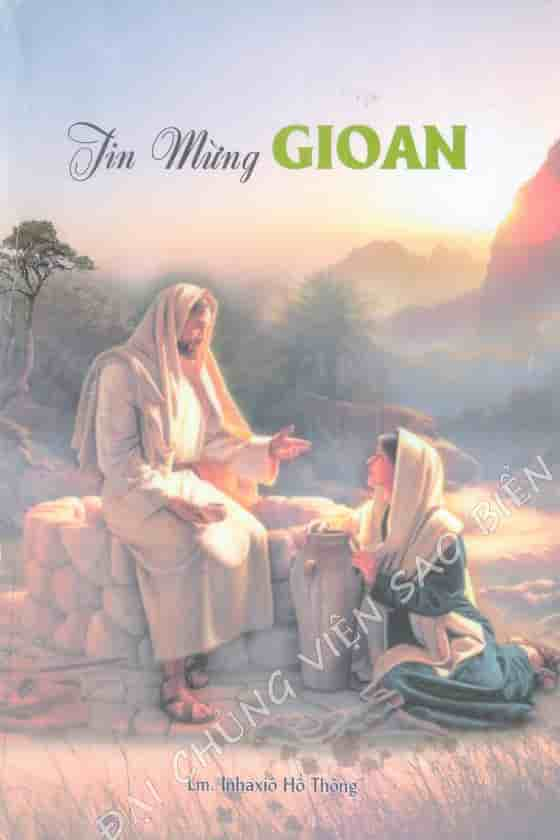 Tác giả: Lm. Inhaxiô Hồ Thông
 -
 Tác giả: A.M. Hunter
 -

-

-
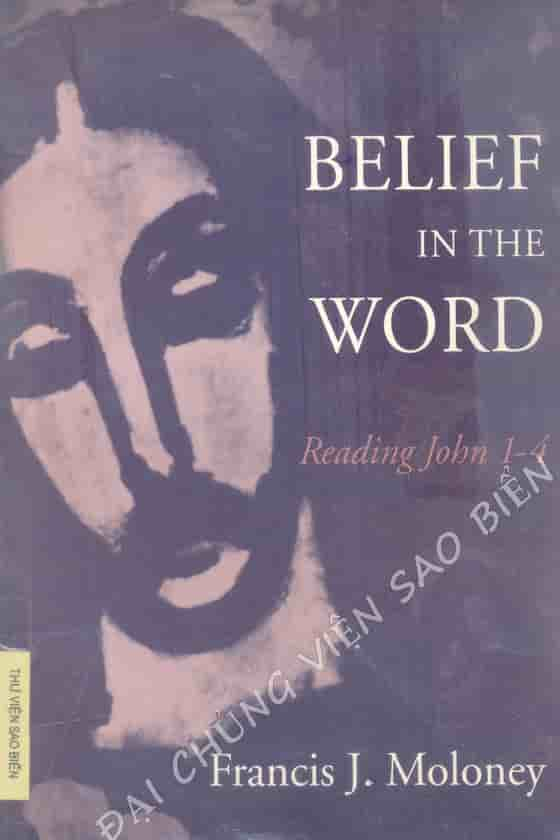
-
 Tác giả: Francis J. Moloney, SDB
 -
 Tác giả: R.Varro
 -
-
-
 Tác giả: Alain Marchadour
 -

-
 Tác giả: Phạm Gia Thụy
 -
 Tác giả: William Barclay
 -

-

-

-
-

-
 Tác giả: LM. JB Hoàng Văn Khanh
 -

-

-
-

-

-
 Tác giả: LM. JB Hoàng Văn Khanh
 -
-
-

-
 Tác giả: Origène
 -
 Tác giả: Dòng Nữ Biển Đức
 -

-
 Tác giả: Brendan Byrne
 -
-

-
 Tác giả: Vô Danh
 -

-
 Tác giả: Alain Marchadour
 -

-

-

-

-

-

-
 Tác giả: James McPolin, S.J.
 -

-

-
-
 Tác giả: Joseph Bonsirven, SJ
 -
-
-

-
-
 Tác giả: Romano Guardini
 -
-

-
-
 Tác giả: Bruce Milne
 -
-