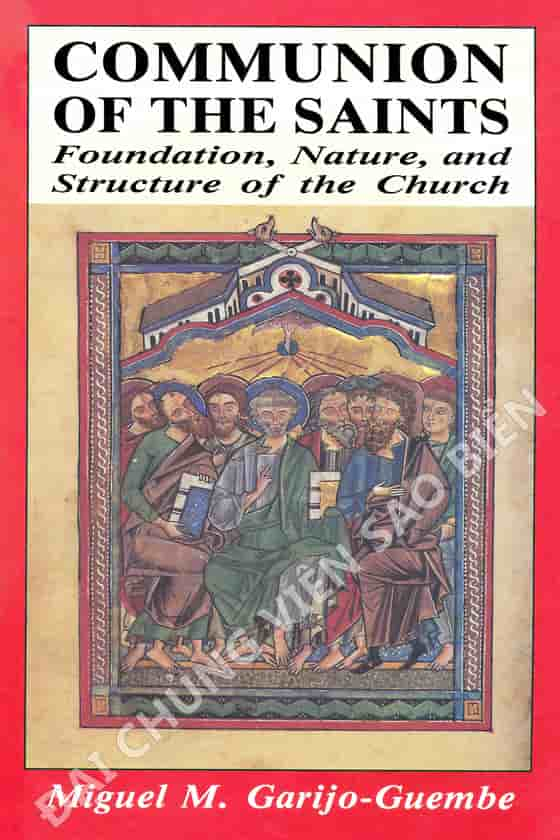
| Communion of the saints Foundation, Nature, and Structure of the Church |
|
| Introduction: "Credo Ecclesiam" |
1 |
| The position of the Church in the Creed Christology or Pneumatology as the point of departure for Ecclesiology |
1 |
| The position meaning of " Credo Ecclesiam" |
5 |
| Frist Part: fundamental Ecclesial directions in the New Testament |
7 |
| Fundamental concepts of the Church's Self-Understanding |
9 |
| Ekklesia-The Church of God |
9 |
| The Church as the Body of Christ |
11 |
| The Phrase "Body of Christ" in Paul |
11 |
| The Phrase " Body of Christ" in the Letters to the Colossians and Ephesians |
12 |
| The Church as Temple of God or the Temple of the Holy Spirit |
13 |
| Jesus and the Church Jesus Proclamation of the Kingdom of God and the Church that Arose after the Events of Eater/Pentecost |
14 |
| Sketch or the Problematic |
14 |
| Overview of the different position of Researchers |
16 |
| The "new consensus" and its decline |
16 |
| Positions within Catholic Theology |
18 |
| Analysis and reflection |
23 |
| Jesus ' proclamation of the Kingdom of God |
23 |
| Jesus' farewell meal |
27 |
| Additional observations |
29 |
| The Church, "Built on the Foundation of the Apostles" |
29 |
| The term "apostles" the "Twelve Apostles" |
31 |
| The Missionary commissioning of the Apostles by the Risen One |
34 |
| Clarification od the missionary commissioning through the Apostles' Practice |
34 |
| Paul and his communities |
35 |
| Apostles anf communitiy in the Acts of the Apostles |
36 |
| Conclusion |
36 |
| The Organization of the Church in Its Successive Developmental Stages; Community Structures in the New Testament |
37 |
| Preliminary remark in the problematic |
37 |
| The Pauline Communities during Paul's lifetime |
39 |
| The charisms in the community |
39 |
| The role of those who minister to the community |
41 |
| community structures in the Acts of the Apostles |
43 |
| The Jerusalem Community |
43 |
| The Community in Antioch |
45 |
| Community structures at the time of the composition og the Acts of the Apostles |
46 |
| Community organization in the Post-Apostolic New Testament Period |
47 |
| In the Sphere of the Pauline Communities |
47 |
| In the Petrine Sphere |
49 |
| In the Johanine Sphere |
50 |
| Conclusion and remaning problems |
51 |
| Conclusion |
51 |
| Remaning problems |
55 |
| Excursus the Apostolic Succession |
59 |
| The transition to the Monarchical Bishop |
59 |
| Apostolic Tradition-Apostolic Succession |
61 |
| Conclusion |
64 |
| Peter in the New Testament |
66 |
| The Common Tradiotion concerning Peter |
66 |
| Special status in the Tradition of Matthew's Gospel |
68 |
| Peter as the Rock on which Christ will Build his Church |
69 |
| The Construction of the Church and its endurance |
70 |
| The Giving of the keys and the power to bind and to Loose |
70 |
| Complementary Text Luke 22;31; John 21:15-19; and the Petrine Letters |
71 |
| Conclusion and reflection |
72 |
| Second part |
|
| The nature of the Church and Its Essential Characteristics |
75 |
| Essential Element in a Theological description of the Church |
77 |
| The Church as the Fruit of Salvation and the Means to Salvation |
78 |
| Fundamental concepts of the Nature of the Church |
80 |
| The Church as a Society |
81 |
| The Church as the Body of Christ |
82 |
| The Church as Sacrament |
86 |
| The Ecumenical problem |
88 |
| The Church as the Communion of the Faithful |
92 |
| Koinoia and the people of God |
92 |
| The Church as Communio |
92 |
| The Church as the people of God |
93 |
| Church and Eucharist |
96 |
| The Church realizes Itself in the Celebration of the Eucharist |
96 |
| The universal Church as the Koinonia of the Local Churches |
100 |
| The Problem of communion in the means of salvation |
102 |
| The one Church and the many Churches |
105 |
| Different models of unity |
105 |
| The relation of the Catholic Church to the Church of Christ |
107 |
| The significance of the Other Churches and Their traditions for the Catholicity of the Church on the expression Catholic |
111 |
| Church membership or tho be in communion with the Church |
113 |
| The problem of Church membership before Vatican II |
117 |
| The Emphasis on Baptism by Vaticano II |
118 |
| The necessity of the Church for salvation |
118 |
| The historical meaning of the sentence Extra ecclesiam nulla salus |
120 |
| Theological reflection |
124 |
| A pilgrim Church |
124 |
| Ecclesia semper reformanda |
125 |
| A sinful Church |
126 |
| Conclusion |
127 |
| The Church is oriented toward the Eschatological Kingdom of God |
128 |
| Third Part The structures of the Church |
131 |
| Community and office |
133 |
| The teaching of Lumen gentium |
133 |
| The priesthood of all believers |
133 |
| The sense of the faithful and the Charisms of the Christian people |
136 |
| The cumenical problem |
138 |
| The orthodox position |
138 |
| The position of the reformation |
140 |
| Theological reflection |
143 |
| Foundations |
143 |
| Sharing in Christ' Priestly office |
146 |
| Sharing in Christ' Prophetic office |
150 |
| Sensus fidelium and the teaching office |
150 |
| Laity and offcials in the proclamation of the word |
152 |
| Summarizing thesis |
153 |
| All members of the Church are responsible |
154 |
| Toward a theology of the Laity |
159 |
| The Hierachical composition of the Church |
159 |
| The bishop with His-workers |
|
| The presbytes and deacons |
|
| The teaching of Lumen gentium |
159 |
| The bishop as the successors to the Apostles |
159 |
| The sacramentality of the Bishop's office |
160 |
| The distinction between bishop and presbyter |
162 |
| The Ecumenical problem: The position of the reformation |
163 |
| Theological reflection |
166 |
| The Foundation of the Catholic Thesis |
166 |
| The bishop as the successors to the Apostles |
166 |
| The designation successors to the Apostles |
170 |
| The later development and its significance for the distinction between bishop and presbyters |
171 |
| The function of bishops |
177 |
| The teaching offfice of the bishops |
178 |
| Foundation of the task of the teaching office |
179 |
| The Ecumenical problem the reformation's position |
180 |
| Additionas remarks |
182 |
| The relation between the teaching office and the community |
183 |
| Infallibility or indefectibility? |
186 |
| The incontrovertibility of Dogmatic formulations |
186 |
| Apostolic Succession |
197 |
| The office of the pope and the collegiality of Bishops |
197 |
| Toward a statement of the question |
197 |
| The Catholic teaching |
199 |
| The Dogmatic constitution Pator aetenus of Vatican I |
199 |
| The primacy of Jurisdiction |
200 |
| The infallible teaching office of the Pope |
203 |
| The Dogmatic constitution Lumen gentium of Vatican II |
205 |
| Problem of the other Churches |
208 |
| Problem of the Lutheran Churches |
208 |
| The Church's historical understanding of primacy and the collegiality of bishop down to the split between East and West |
210 |
| The martyrdoms of Peter and Paul in Rome as the foundation for the Preeminence of Rome in the Earliest Testimonies |
210 |
| The invocation by the Roman Bishops of the Pertrine Texts |
211 |
| The unity of the Church as a Koinonia of the Churches and the role of Rome within such a conception |
213 |
| Rome's role in the understanding of the Eastern Churches |
214 |
| The example of the council of Chalcedon |
216 |
| Express recognition of the role of Roma on the part of the Eastern bishops |
216 |
| Theological reflection |
218 |
| A theological legitimation of primacy |
219 |
| Primacy within the Framework of Collegiality |
220 |
| Toward a theology of the Local Churches |
223 |
| Fourth part The mission and task of the Church |
233 |
| Evangeliaztion and its implications |
235 |
| Toward a statement of the question |
235 |
| The mission of the Church according to the office documents |
236 |
| Vatican II |
236 |
| Post-conciliar documents |
241 |
| Theological reflection |
246 |
| Conclusion theses |
251 |
| Church and Word |
253 |
| Presentation of the problematic |
253 |
| Biblical perspectives |
255 |
| Sense and significance of the World |
256 |
| The Church accoding to God's Eternal plan |
257 |
| Systematic reflection |
257 |
| The dialectial tension between Church and World as a fundamental Theological perspective |
258 |
| The Church as sacramet for the World |
260 |
| The World in its Twofold meaning |
261 |
| The help which the Church receives from the modern world |
261 |
| List of Abbreviations |
256 |




 Tác giả: Charles - Marie Guillet
 Tác giả: Nhiều Tác Giả
 Tác giả: John D. Zizioulas
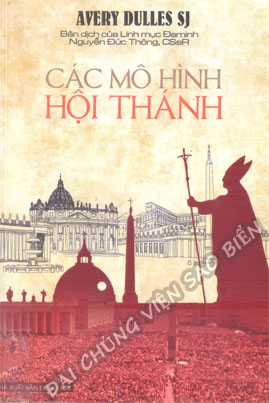 Tác giả: Avery Dulles, S.J
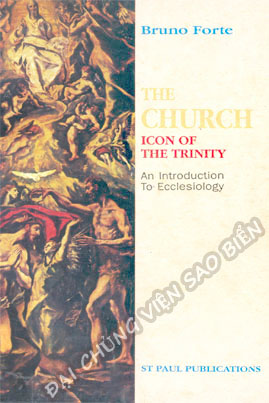
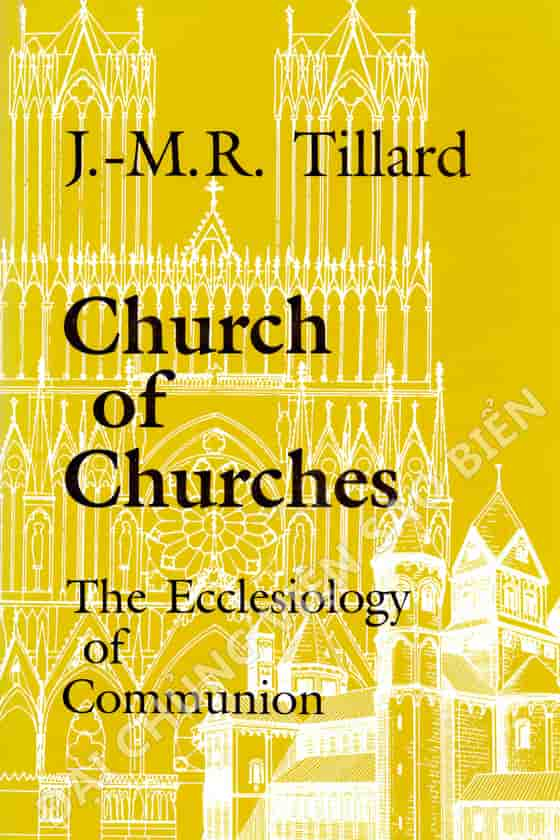 Tác giả: J.-M.R. Tillard
 Tác giả: Patrick Granfield
 Tác giả: J.-M.R. Tillard
 Tác giả: F.X Tân Yên
 Tác giả: Nhiều Tác Giả
 Tác giả: Vũ Duy Thống


 Tác giả: Vô Danh
 Tác giả: Avery Dulles, S.J
 Tác giả: Felipe Gómez
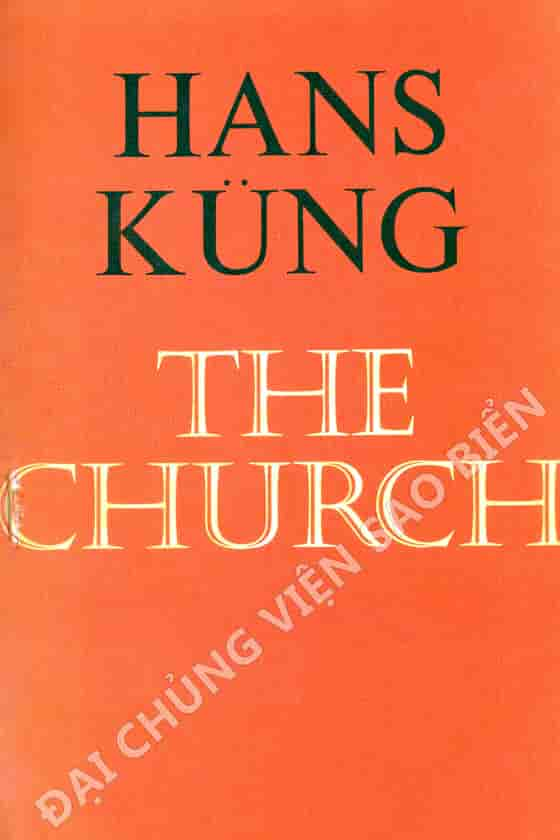 Tác giả: Hans Kung
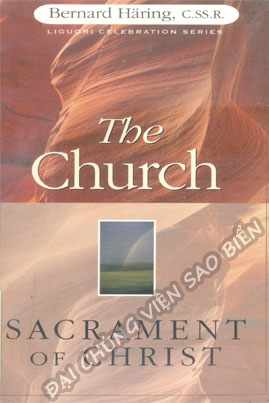 Tác giả: Bernard Haring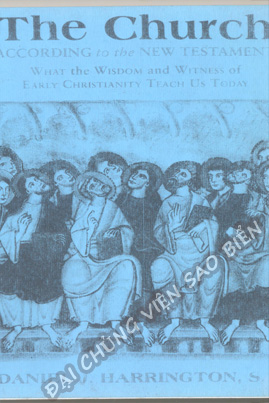
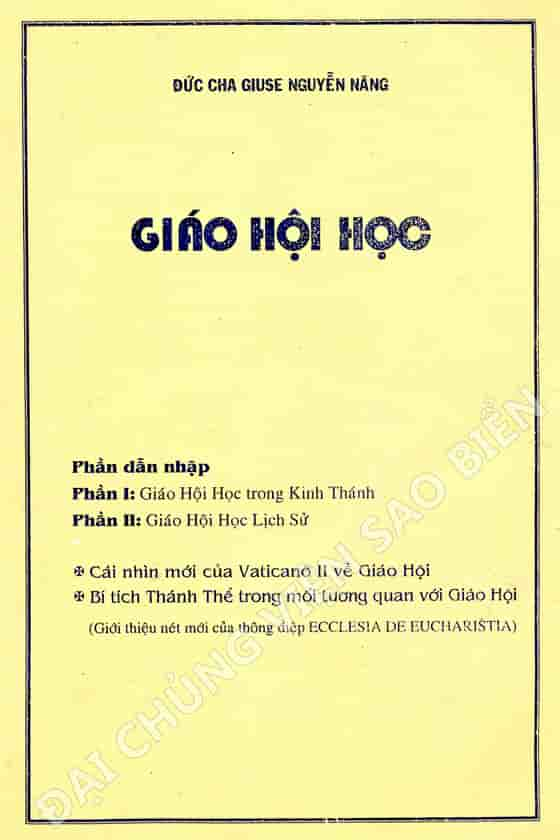 Tác giả: Giuse Nguyễn Năng
 Tác giả: Jean Rigal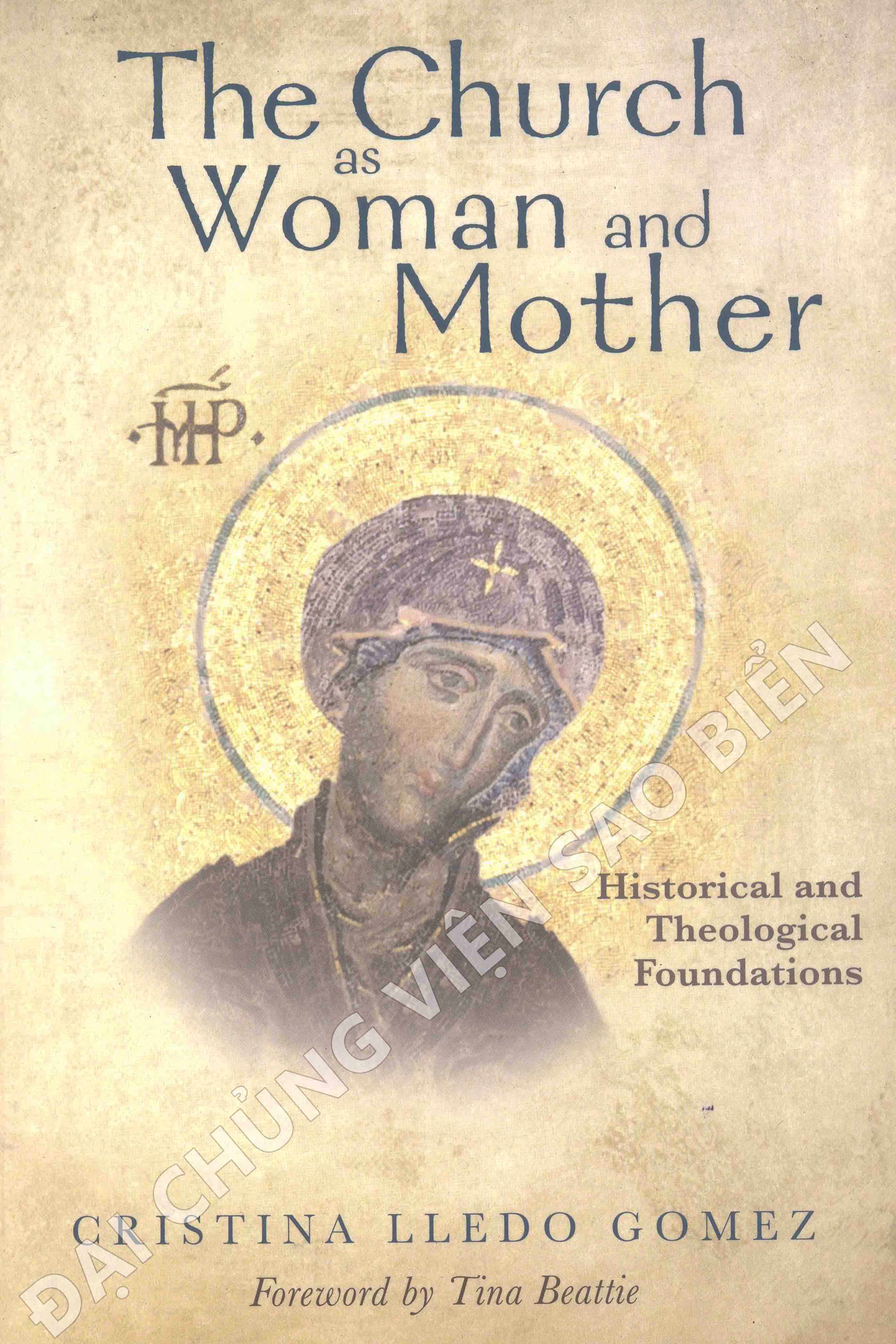
 Tác giả: R. Mérieux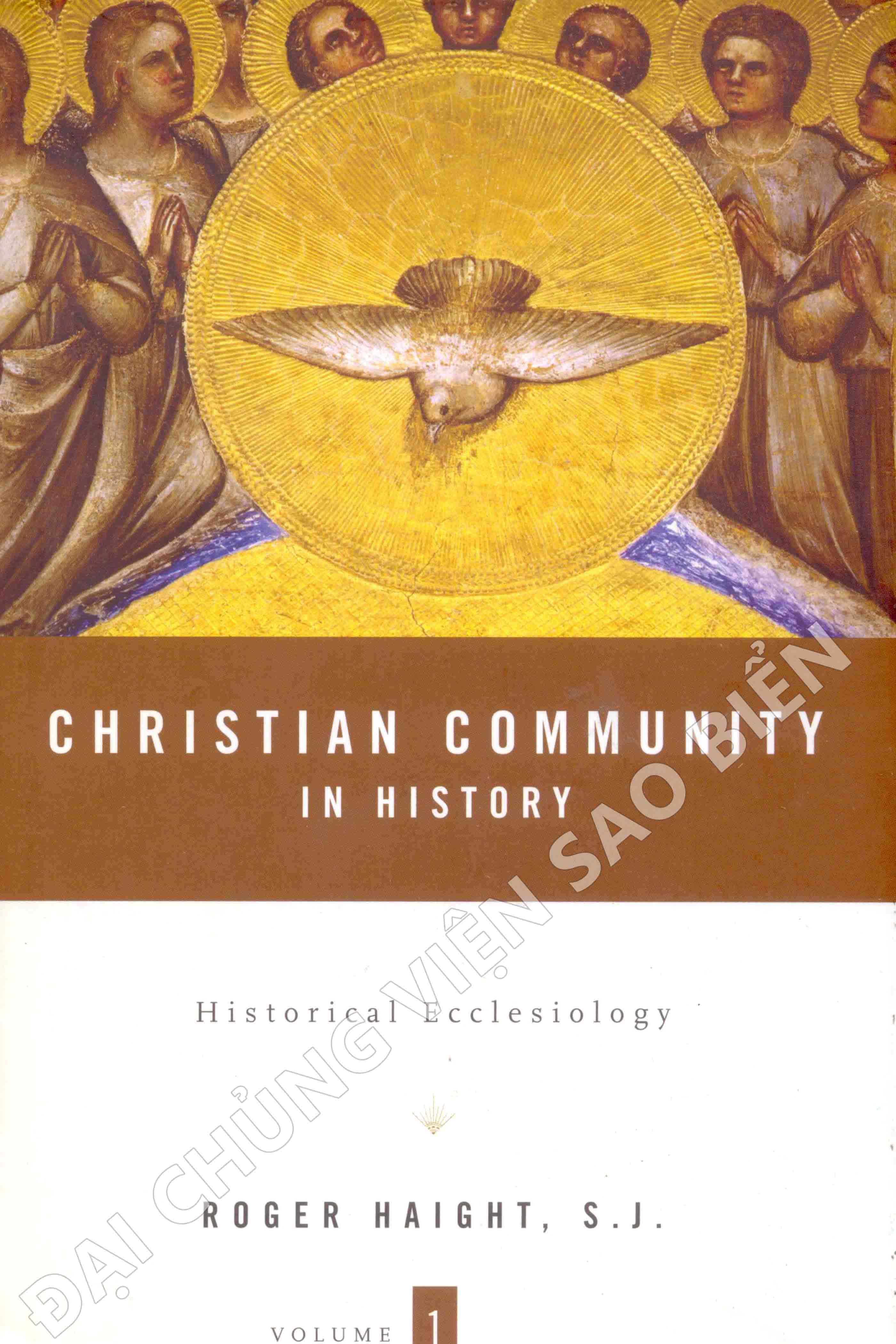
 Tác giả: Richard Lennan
 Tác giả: Edward Schillebeeckx
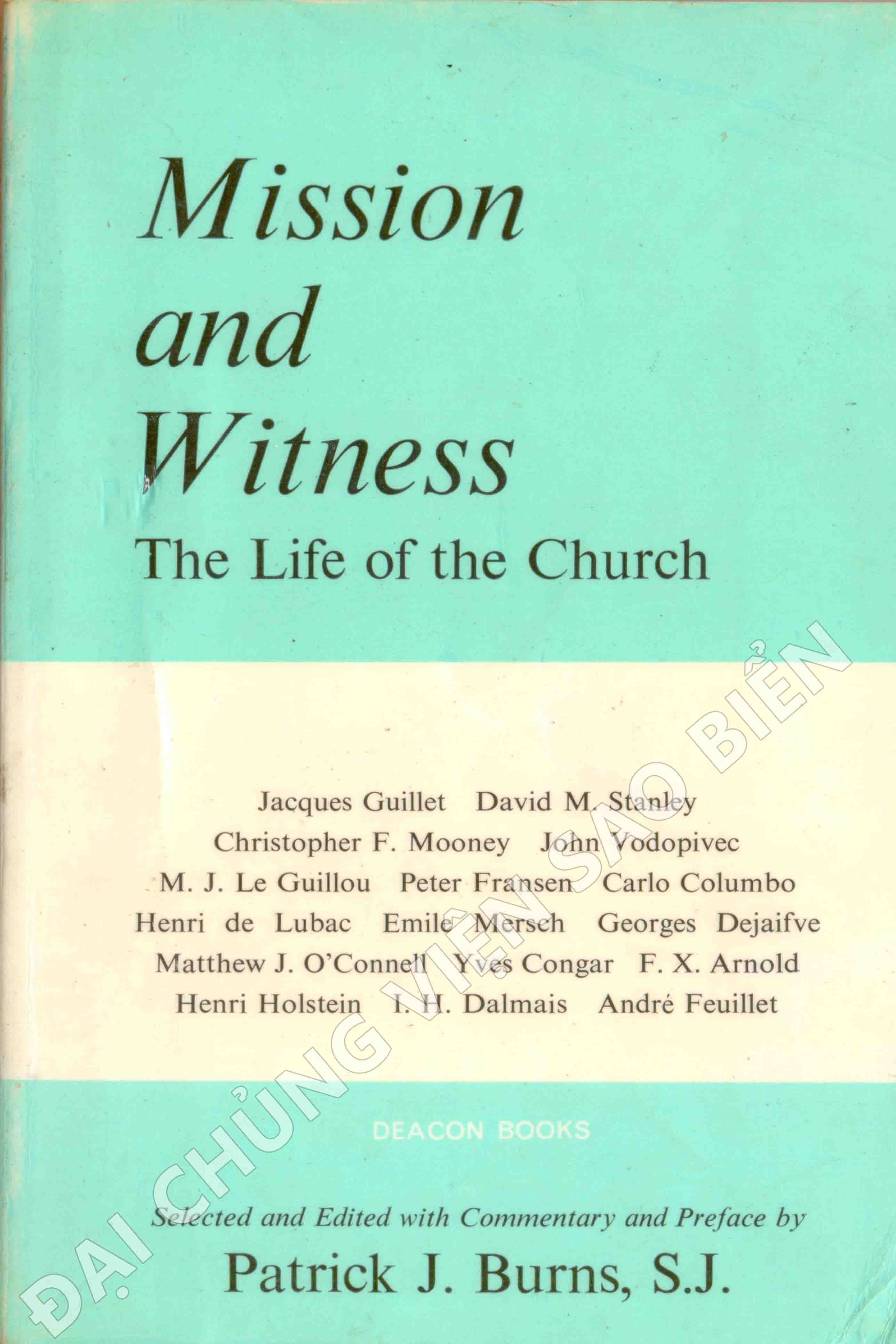 Tác giả: Patrick J. Burns, S.J.



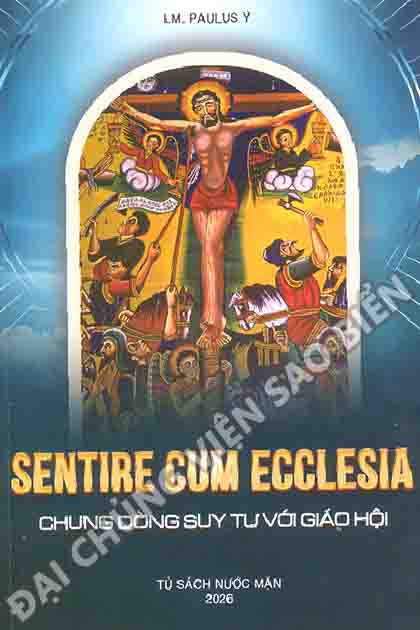 Tác giả: Lm. Paulus Ý