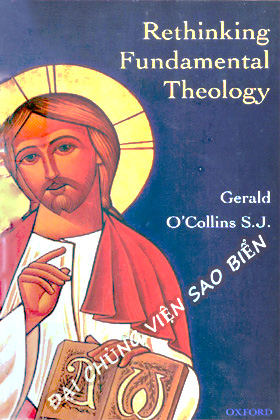
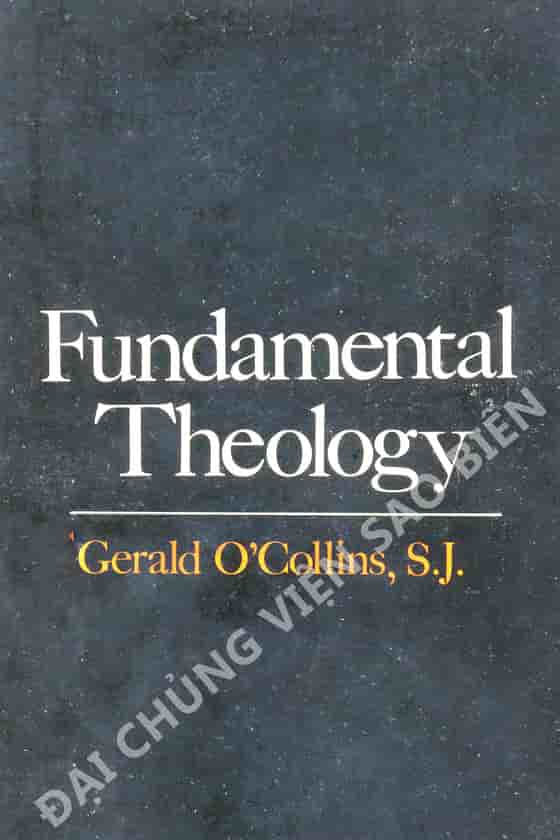
| Rethinking Fundamental Theology | |
| Tác giả: | Gerald O'collins, S.J. |
| Ký hiệu tác giả: |
OC-G |
| DDC: | 231.74 - Mặc Khải |
| Ngôn ngữ: | Anh |
| Số cuốn: | 2 |
Hiện trạng các bản sách
|
|
||||||||||||||||||||||||||||||||
| 1. History, Terms, Identity, and Thems | 1 |
| Historical background | 2 |
| Apologetics and fundamental theology | 4 |
| Terms and boundaries | 5 |
| Themes for fundamental theology | 15 |
| A coda: the contribution of Bernard Lonergan | 16 |
| 2. Faith in a Personal God | 18 |
| The divine attributes | 19 |
| Special divine activity | 22 |
| The existence of God | 29 |
| Apparoaches to the God-question | 34 |
| Conclusion | 35 |
| 3. The Human Condition | 37 |
| Four possible visions | 37 |
| Homo experience | 42 |
| Religious experience | 52 |
| 4. General and Special Revelation | 56 |
| General revelation | 57 |
| General revelation and faith | 61 |
| Special revelation | 65 |
| Means of revelation | 74 |
| Word and revelation | 79 |
| Mediators of special verelation | 83 |
| Discerning the prophetic experience | 87 |
| True and false prophets | 90 |
| Conclusion | 92 |
| 5. Jesus the fullness of Revelation | 96 |
| The fourfold witness to the historical Jesus | 97 |
| The preaching of the kingdom: parables and miracles | 106 |
| The kingdom in person | 114 |
| The Trinity revealed? | 120 |
| Revelation past, present, and future | 128 |
| 6. The Crucified and Resurrected Revealer | 136 |
| Revelation through the cross | 138 |
| Revelation through the resurrection | 144 |
| A case for the resurrection | 146 |
| The meaning of the claim | 147 |
| The Easter appearances | 149 |
| The discovery of the empty tomb | 154 |
| Novelties to explain | 156 |
| The resurrection as revealing | 159 |
| 7. The Faith that Responds to Revelation | 166 |
| Three Positions | 168 |
| A narrative theology of faith | 179 |
| Some conclusions | 188 |
| 8. Tradition and the Traditions | 190 |
| The human reality of tradition | 192 |
| Christian tradition | 194 |
| Toward an ecumenical convergence? | 196 |
| Discerning the tradition within the traditions | 207 |
| Revelation, tradition, and Scripture | 212 |
| 9. Revelation, the Bible, and Inspiration | 216 |
| The formation of the Bible | 216 |
| The use of the Bible | 220 |
| The inspiration of the Bible | 223 |
| The function of inspiration | 231 |
| 10. The Truth, Canon, and Interpretation of the Bible | 234 |
| The saving truth of the Bible | 234 |
| The canon of Scriptures | 244 |
| Interpreting the Bible | 253 |
| A coda: hearing the word | 261 |
| 11. The Founding of the Church | 265 |
| The Founding of the Church | 268 |
| The founder of the Church | 275 |
| The call of the Twelve | 278 |
| Any time for the Church? | 279 |
| The early Church | 283 |
| Early leadership | 287 |
| Into the second century | 291 |
| The kingdom and the Church | 292 |
| 12. World Religions and Christ the Revealer and Saviour | 293 |
| Two preliminaries | 294 |
| The doctrinal background | 298 |
| The universal presence of Christ | 303 |
| Christ's universal presence and the religious | 307 |
| The transformation of Christ | 308 |
| The permanence of Christ's humanity | 311 |
| The universal presence of the Holy Spirit | 317 |
| The faith of others and the Church | 319 |
| A coda: the omnipresence of the risen Christ | 322 |
| 13. Theological Styles and Methods | 323 |
| Three styles of theology | 329 |
| Risks and possibilities | 331 |
| Some guidelines Epilogue | 342 |
| Index of Names | 345 |
| Subject Index | 353 |
| Bibilical Index | 355 |


Các tác phẩm cùng thể loại
-

-
 Tác giả: Lm. Phêrô Trần Ngọc Anh
 -
-
 Tác giả: Paul Haffner
 -
 Tác giả: Vô Danh
 -
-
-
 Tác giả: Lm.Giuse Phạm Thanh Liêm
 -
-
-
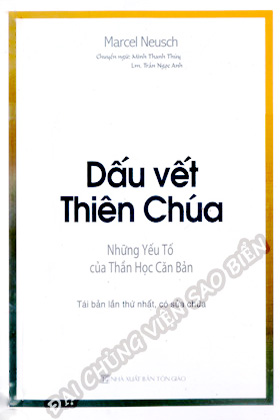 Tác giả: Marcel Neusch
 -
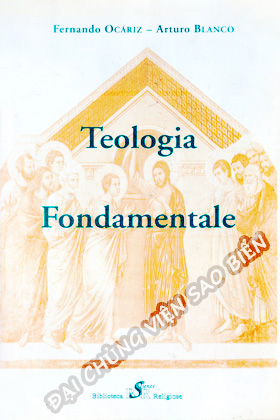 Tác giả: Fernando Ocáriz
 -
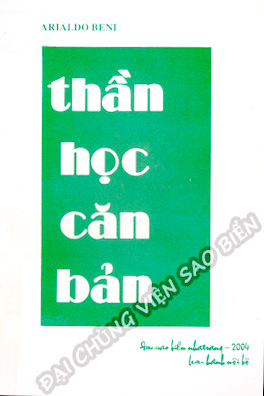 Tác giả: Arialdo Beni
 -
 Tác giả: H. Wandenfels
 -
 Tác giả: Francis S. Collins
 -
 Tác giả: Gerald O'collins, S.J.
 -
 Tác giả: Francis Chussler Fiorenza
 -
-
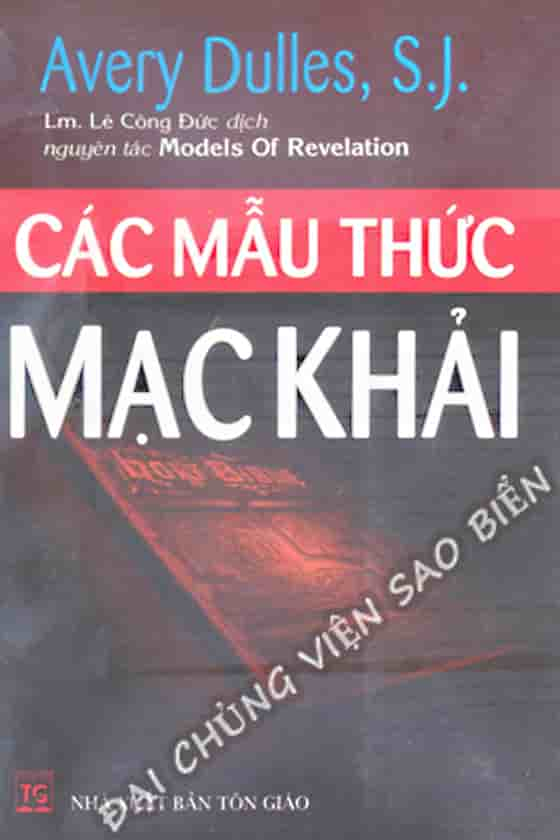 Tác giả: Avery Dulles, S.J
 -
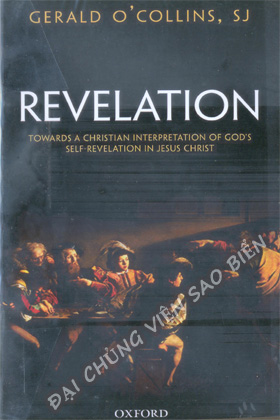
-
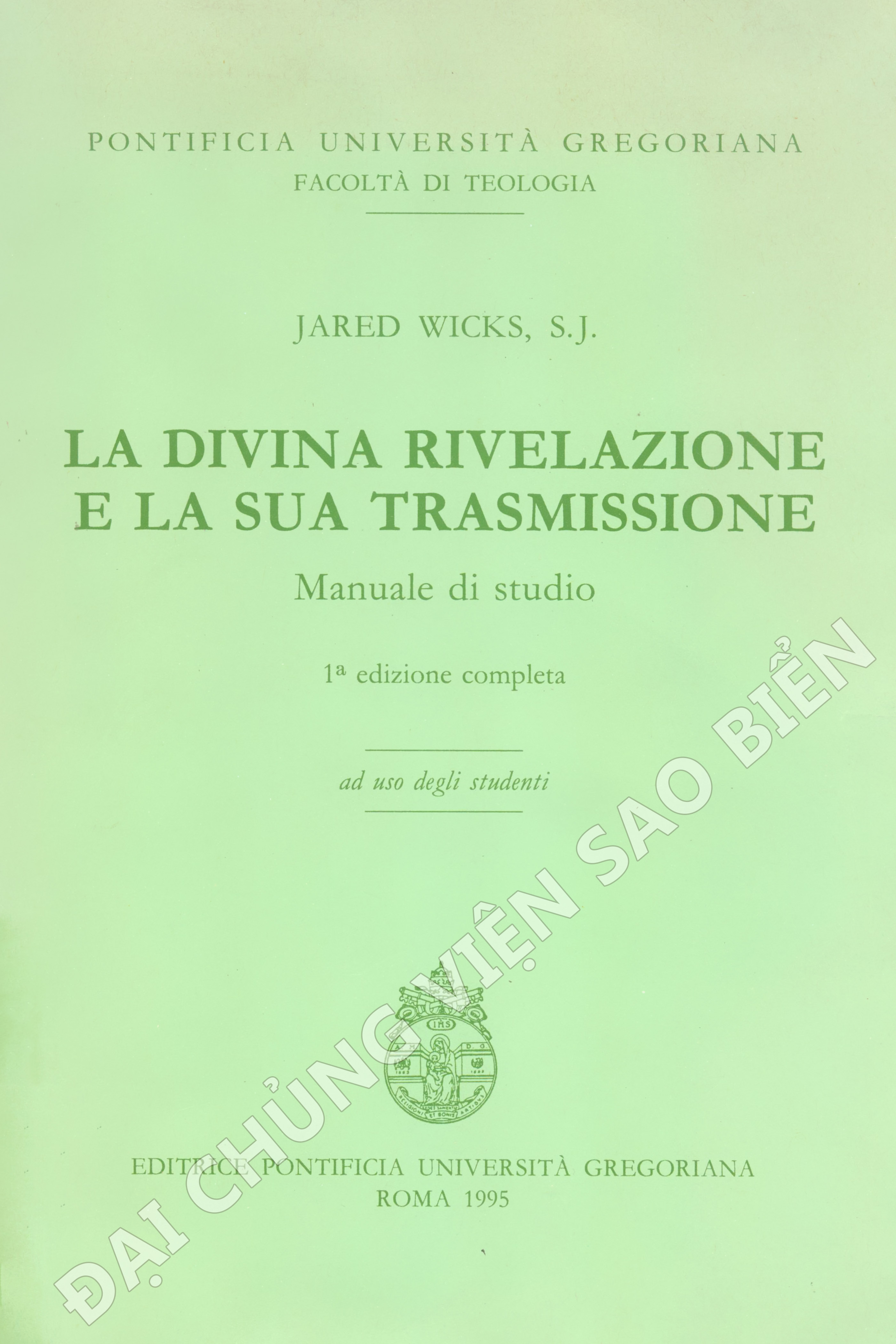
-
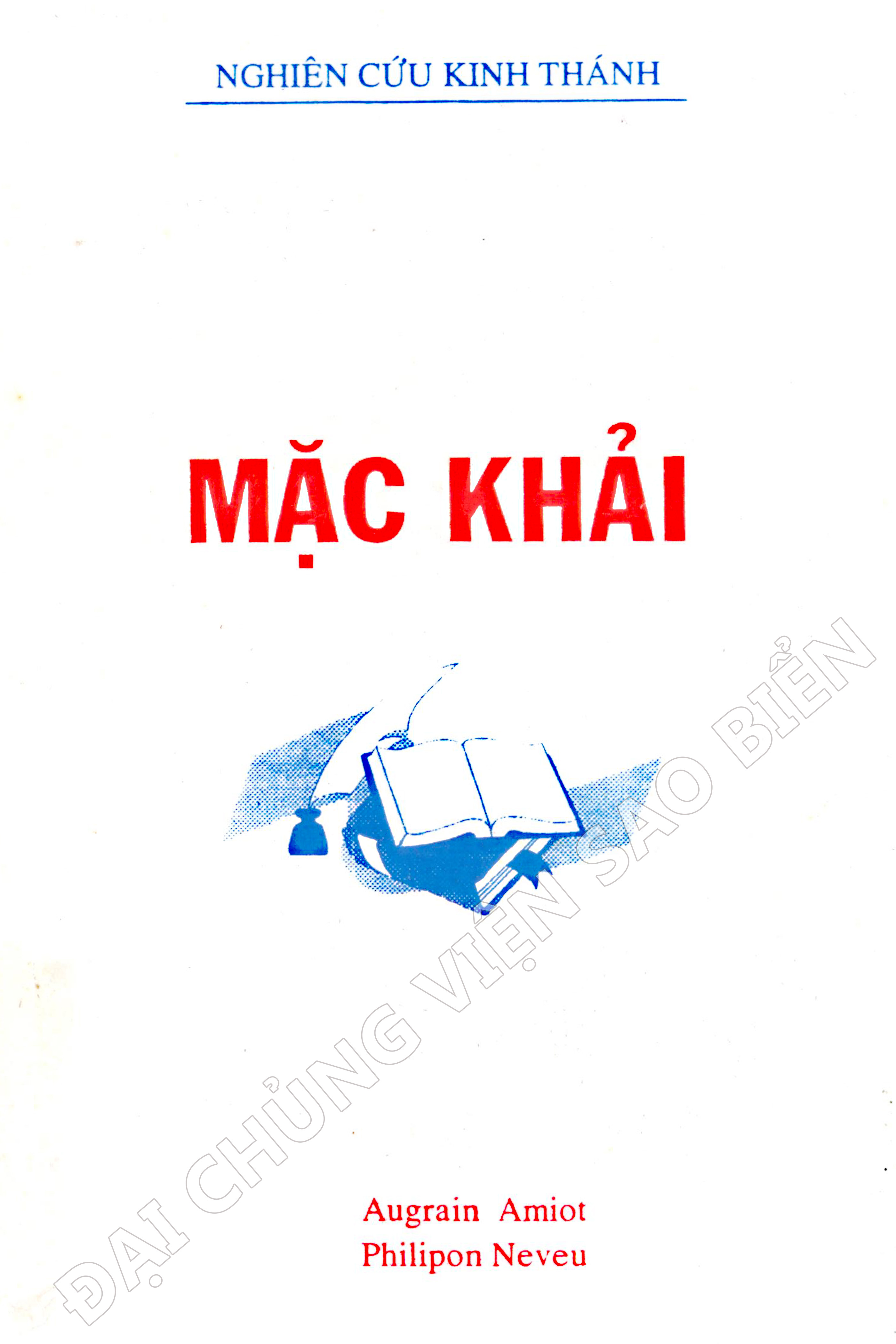 Tác giả: Philipon Neveu
 -
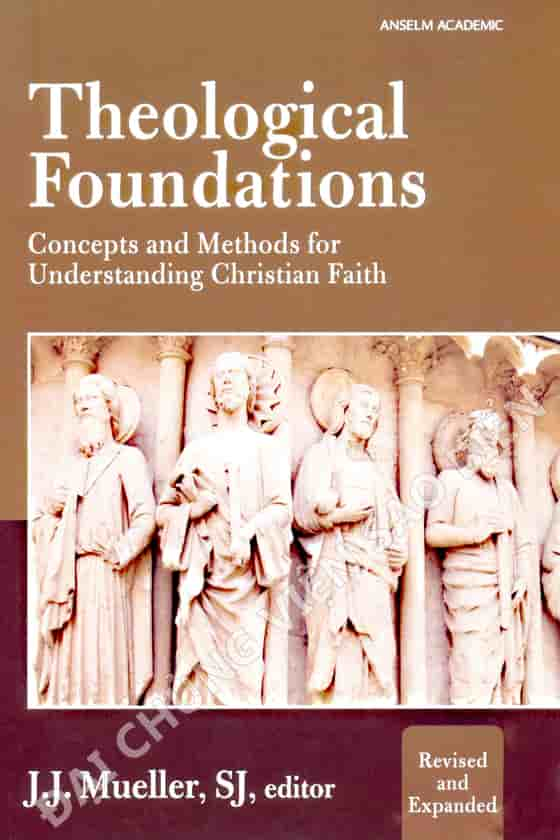 Tác giả: J.J. Mueller, SJ
 -
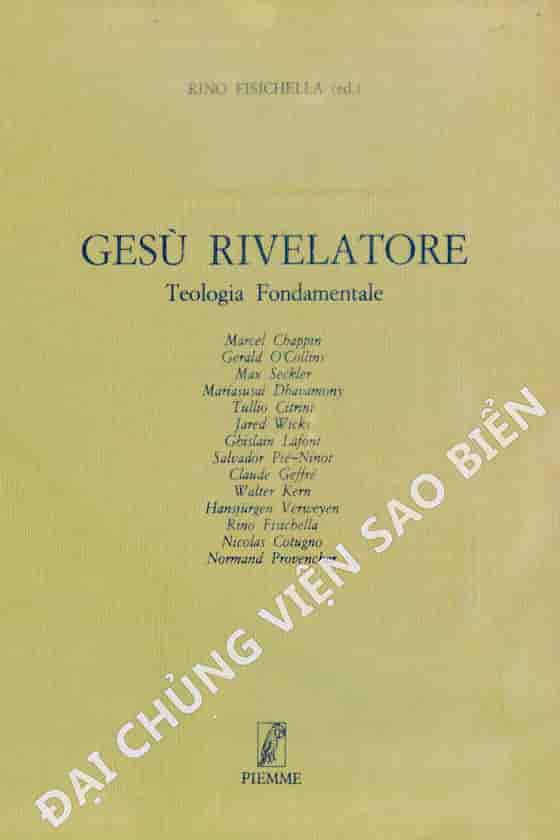 Tác giả: Rino Fisichella
 -
-
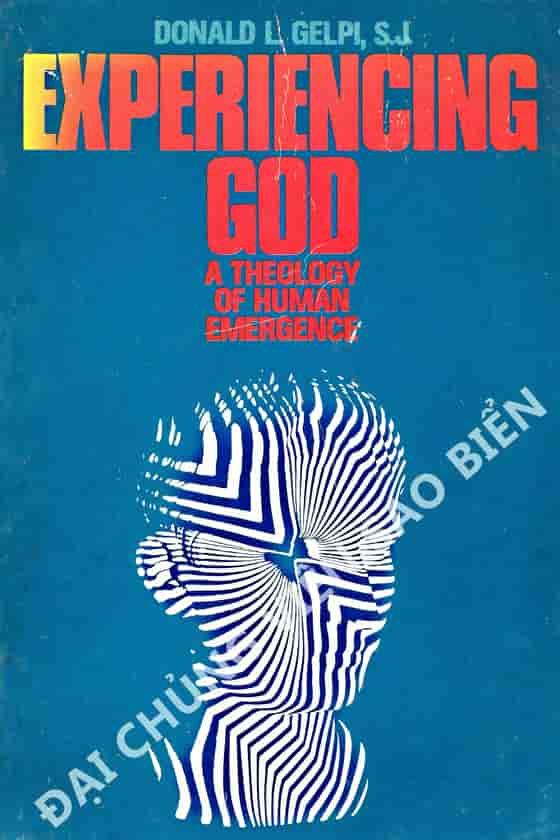 Tác giả: Donald L. Gelpi
 -
 Tác giả: Avery Dulles, S.J
 -
-

-

-
 Tác giả: Paul Tillich