| Contents |
|
| Preface |
xi |
| Introduction |
1 |
| Part One |
|
| Jesus Christ and his Messianic Communities |
|
| 1. Jesus' historical identity as reflected in the messianic Jesus movement |
13 |
| 2. Church Communities, 'living from the Spirit' |
34 |
| Part Two |
|
| The Practice and Theology of Ministry in the Early Communities of Christian Believers |
|
| Introduction |
40 |
| Section 1: A socio-historical approach, though not without theological importance |
42 |
| 1. Authority and leadership in the early church |
42 |
| 2. Authority and leadership in the post-apostolic New Testament communities of believers and in the early church |
66 |
| 3. Conclusion |
73 |
| Section 2: A theological approach, though not without sociological interest |
74 |
| 1. The founders of communities and those 'who labour among you, lead you and admonish you' (I Thess.5.12; see Rom.12.8-9) |
74 |
| 2. Ministry: the specific crystallization of a universal charisma of the Spirit into of gift of the Spirit reserved for certain Christians with a function in the church |
81 |
| 3. Ministry in newly founded churches |
104 |
| 4. The theological content of ministry |
115 |
| 5. Conclusion: Service on the basis of the baptism of the Spirit and official ministry on the basis of a distinctive sacramental rite |
121 |
| Part Three |
|
| Organization and Spirituality of Ministry in the Course of Church History |
|
| Section 1: From the Second century to the beginning of the early Middle ages |
125 |
| 1. Specific concentration of the Charisma of the Spirit given to all on the ministerial charisma of deacons, presbyters and episkopoi with its diaconal emphasis |
125 |
| 2. A link in liturgical witness: the first half on the third century |
133 |
| 3. A new phenomenon, the visitator: from presbyter to priest |
140 |
| 4. The change under Emperor Theodosius |
141 |
| 5. Retrospect: typical differents between the first, second and fourth centuries |
151 |
| 6. Canon 6 of Chalcedon |
154 |
| 7. The end of late antiquity and the transition to the early Middle Ages |
156 |
| Section 2: The priest from the eighth to the thirteenth century |
161 |
| Introduction |
161 |
| 1. From the eighth to the tenth century: the ritualistic priest |
161 |
| 2. From the end of the tenth to the end of the eleventh century: the monastic priest |
163 |
| 3. From the end of the eleventh to the beginning of the thirteenth century: the evangelical priest within the world- affirming spirituality |
167 |
| 4. Priestly pastorate and lay preaching in the Middle Ages |
174 |
| 5. Causes of the changed image of the priest in the Middle Ages |
189 |
| Section 3: The 'modern' image of the priest |
195 |
| Introduction |
195 |
| 1. Prehistory: Josse Clichtove (1472-1543) |
195 |
| 2. The Council of Trent on Ministry |
197 |
| 3. The nucleus of the post- Tridentine view of ministry: the danger-point in the spirituality of ministry in the 'Ecole Francaise' |
202 |
| Section 4: Continuity and significant breaks in the history of the theology and practice of ministry |
203 |
| Part four: Listening to the 'Complaints of the People' |
|
| Introduction |
209 |
| 1. Discontent among the bishops: The 1971 Synod of Bishops on the priesthood: the crisis of the apolitical, celibate priesthood |
209 |
| 2. Discontent among women |
236 |
| 3. Discontent connected with the deployment of married priests and away from pastoral work |
240 |
| 4. Discontent expressing itself in alternative practices of ministry |
254 |
| Part Five: The Church with a Human Face |
|
| 1. Roman Carholic problems with ministry, the Declaration of the Congregation for the Doctrine of Faith, anf the ecumenical Lima Report |
259 |
| 2. Problems surrounding the diaconate and the question of a fourth ministry |
265 |
| Abbreviations |
268 |
| Notes |
270 |
| Bibliography |
295 |
| Index of Biblical References |
301 |
| Index of Names |
305 |




 Tác giả: Lawrence Boadt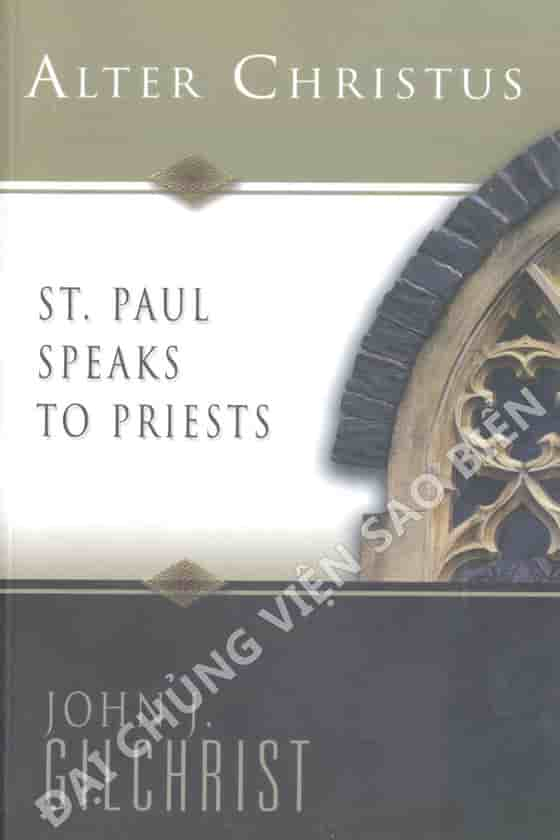
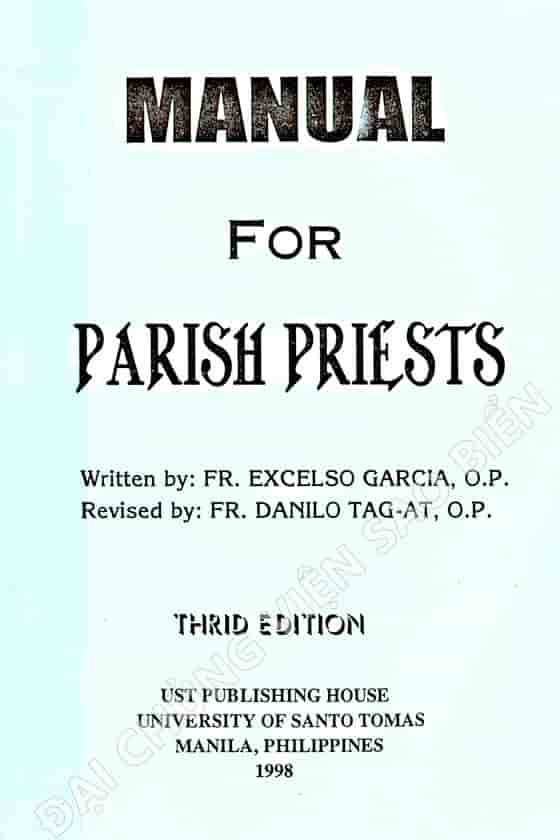
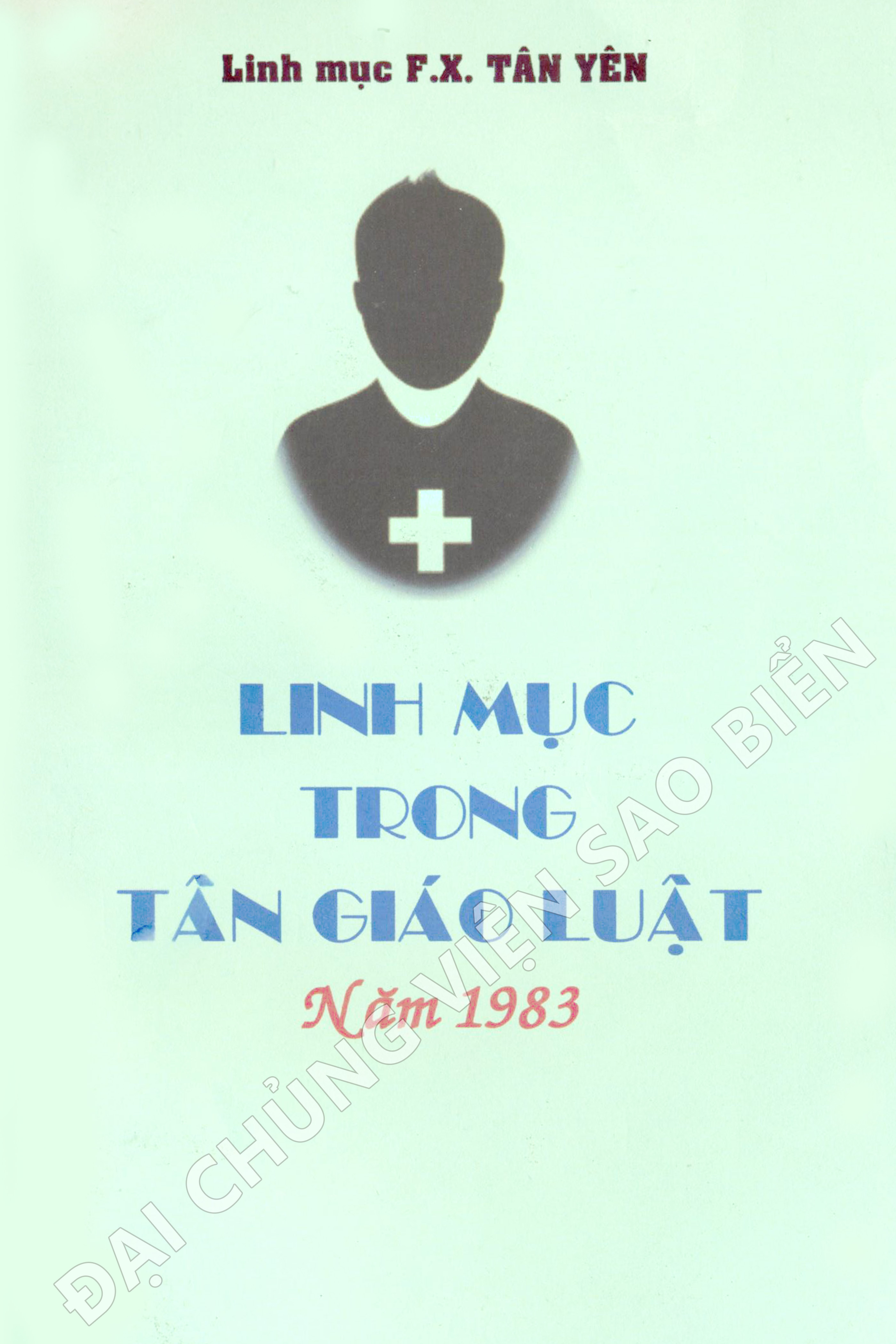
 Tác giả: Nhiều Tác Giả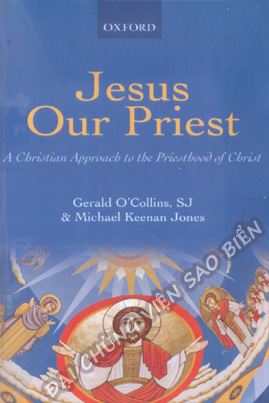
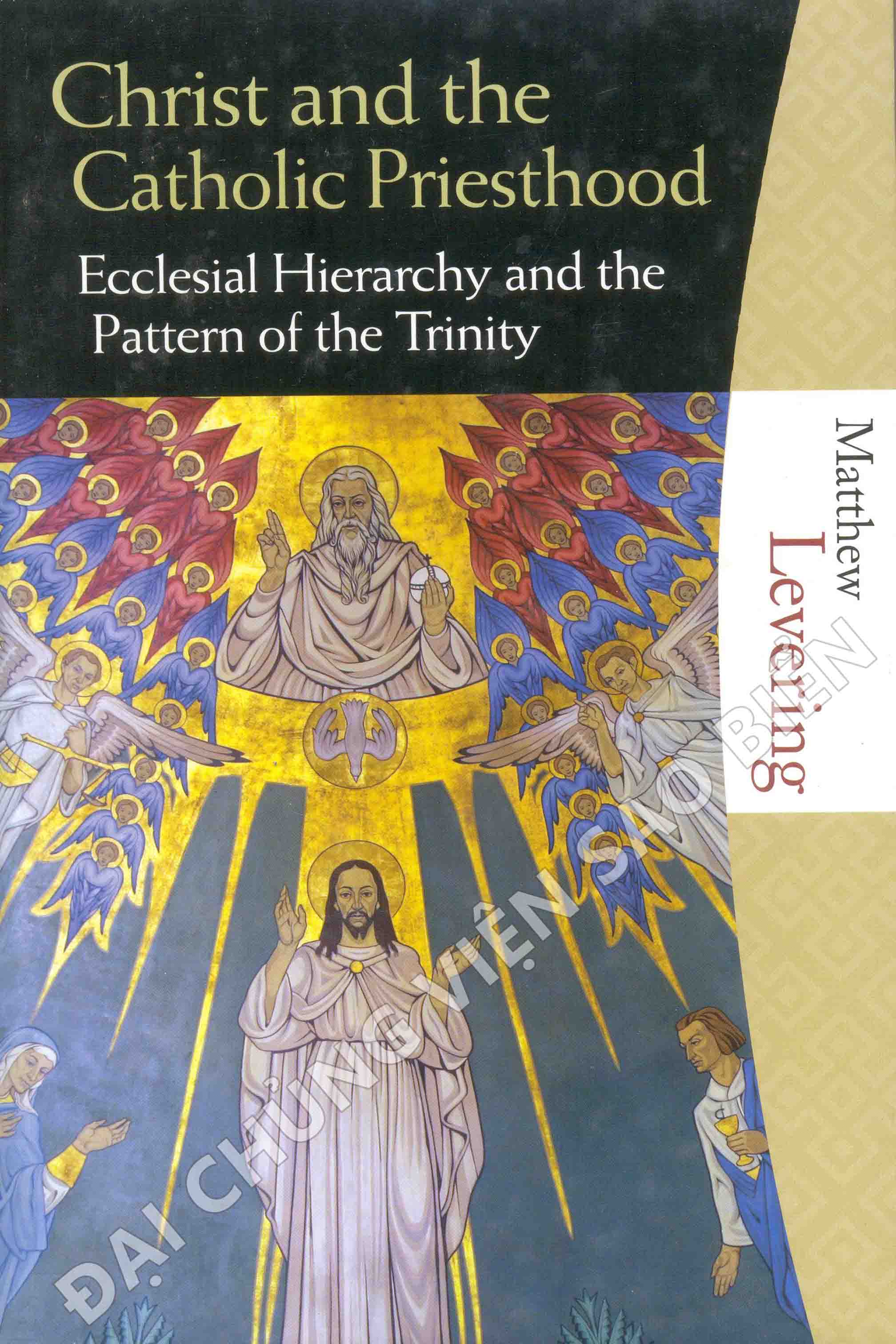
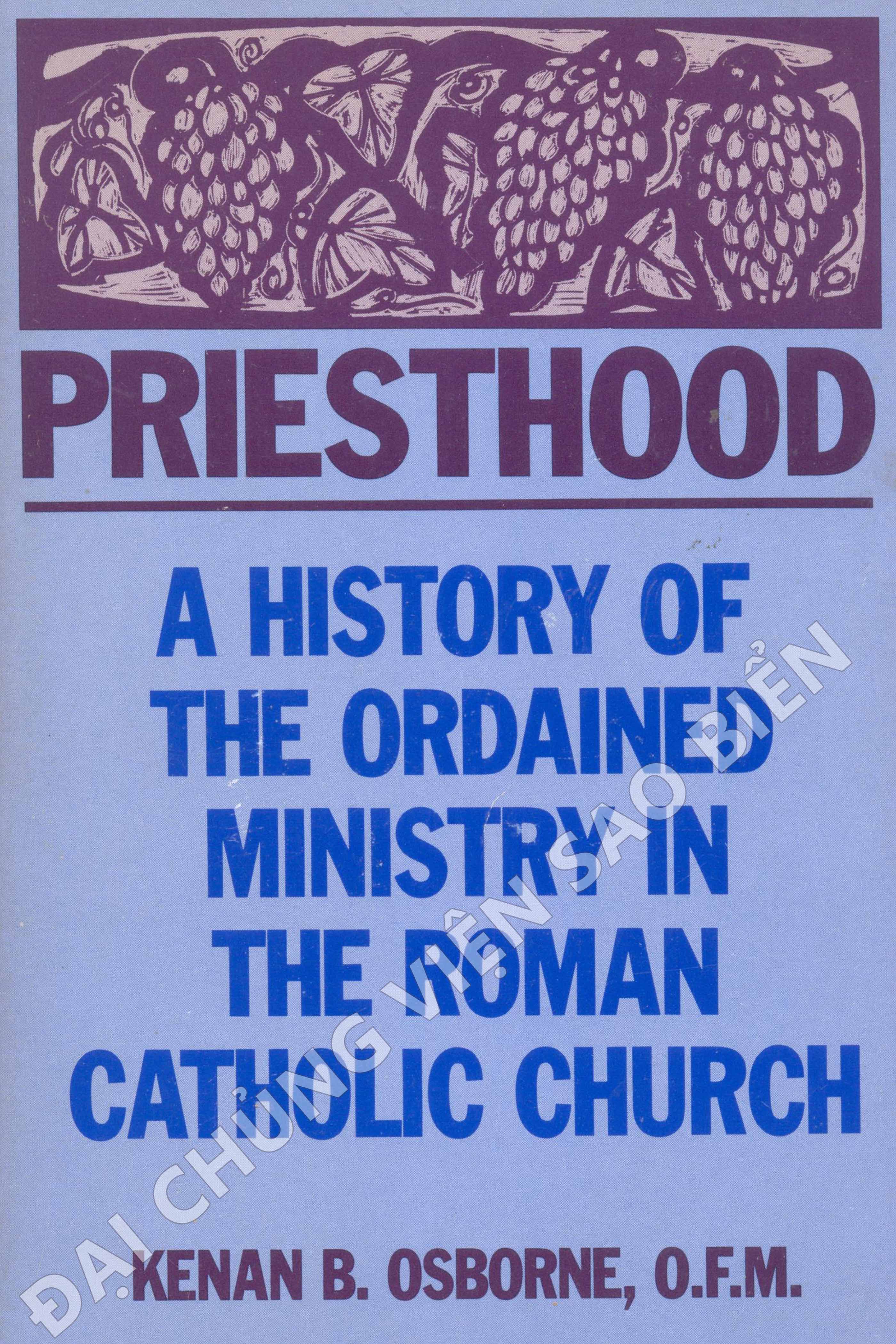 Tác giả: Kenan B. Osborne, O.F.M

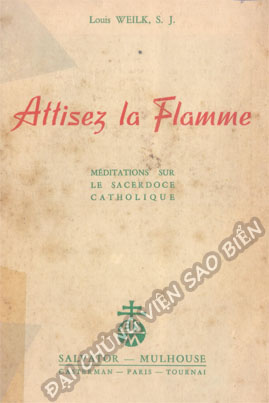 Tác giả: Louis WEILK, S.J.