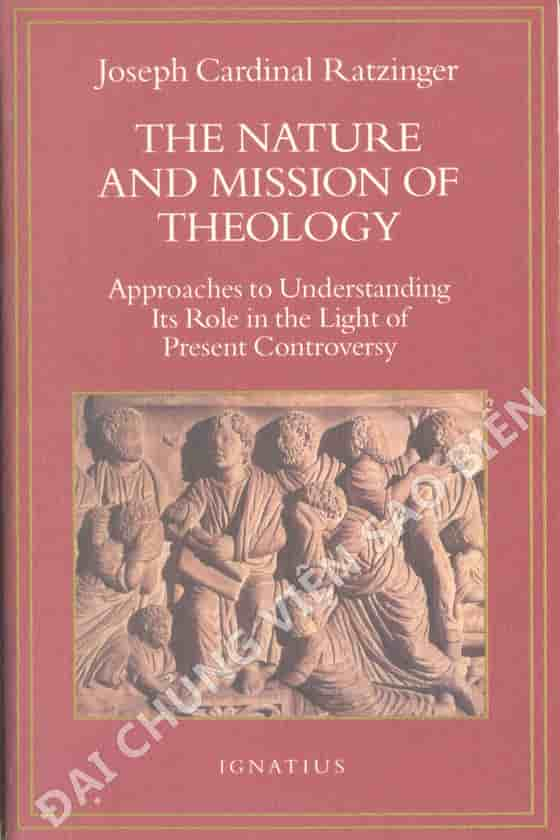
| The Nature And Mission Of Theology | |
| Phụ đề: | Approaches to Understanding Its Role in the Light of Present Controversy |
| Tác giả: | Benoît XVI - Joseph Ratzinger |
| Ký hiệu tác giả: |
RA-J |
| DDC: | 230 - Kitô giáo và thần học Kitô giáo |
| Ngôn ngữ: | Anh |
| Số cuốn: | 2 |
Hiện trạng các bản sách
|
|
||||||||||||||||||||||||||||||||
| Foreword | 7 |
| PART I: | |
| PRESUPPOSITIONS AND BASES OF THEOLOGICAL WORK | |
| Faith, Philosophy and Theology | 13 |
| 1.The Unity of Philosophy and Theology in Early Christianity | 13 |
| 2.From Distinction to Opposition | 16 |
| 3.Toward a New Relationship | 22 |
| A Concluding Observation: Gnosis, Philosophy and Theology | 28 |
| On the Essence of the Academy and Its Freedom | 31 |
| 1.Dialogue | 32 |
| 2.Freedom | 34 |
| 3.The Center: Truth as the Basis and | |
| Measure of Freedom | 37 |
| 4.Cult | 40 |
| PART 2: | |
| THE NATURE AND FORM OF THEOLOGY | |
| The Spiritual Basis and Ecclesial Identity of Theology | 45 |
| 1. The New Subject as the Precondition and Foundation of All Theology | 50 |
| 2. Conversion, Faith and Thought | 55 |
| 3- The Ecclesial Character of Conversion and Its Consequences for Theology | 58 |
| 4- Faith, Proclamation and Theology | 61 |
| 5.The Temptation and Greatness of Theology | 69 |
| Pluralism as a Problem for Church and Theology | 73 |
| 1.The Limit of the Church’s Claim and the Plurality of Human Options | 73 |
| 2.Pluralism within the Church | 82 |
| a.The universal Church and the particular churches | 85 |
| b.Theology and theologies | 90 |
| PART 3: | |
| APPLICATIONS | |
| On the “Instruction concerning the Ecclésial Vocation of the Theologian” | 101 |
| Prefatory Note | 101 |
| 1.Presentation | 101 |
| 2.Toward a Discussion of the Text | 107 |
| a.Authority only in the case of infallibility? | 111 |
| b.The Magisterium, the university and the mass media | 114 |
| c.Prophetic vs. episcopal tradition? | 118 |
| Questions concerning Priestly Formation in Germany | 121 |
| Prefatory Note | 121 |
| 1.Problems | 122 |
| 2.In Search of Answers | 125 |
| a.On the future development of the faculties and related institutes | 126 |
| b.The significance of the seminary | 127 |
| Acknowledgments | 129 |


Các tác phẩm cùng thể loại
-
 Tác giả: Fr. John Fuellenbach, SVD
 -
 Tác giả: Trần Văn Hiến Minh
 -

-
 Tác giả: Kurt E. Koch
 -
-
-
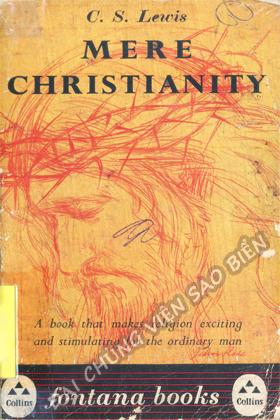 Tác giả: C.S. Lewis
 -
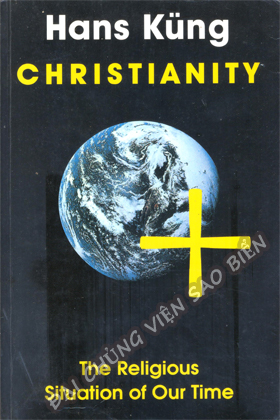 Tác giả: Han Kung
 -

-
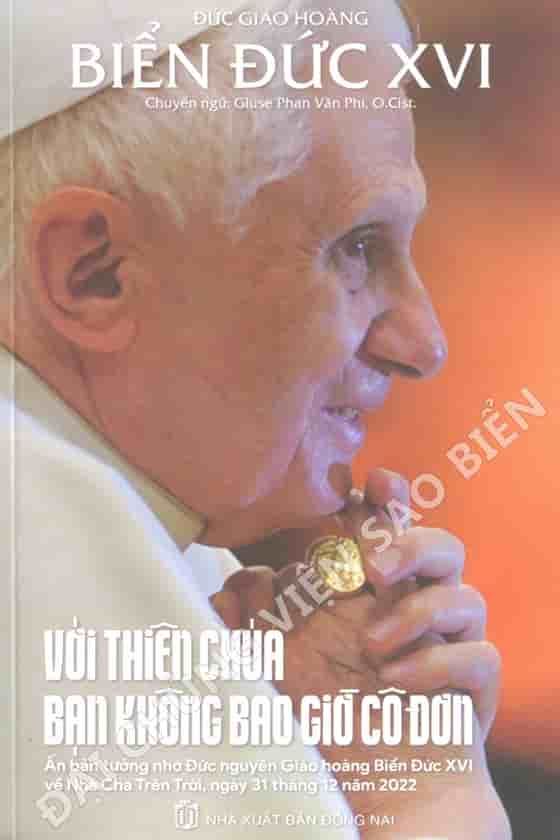
-
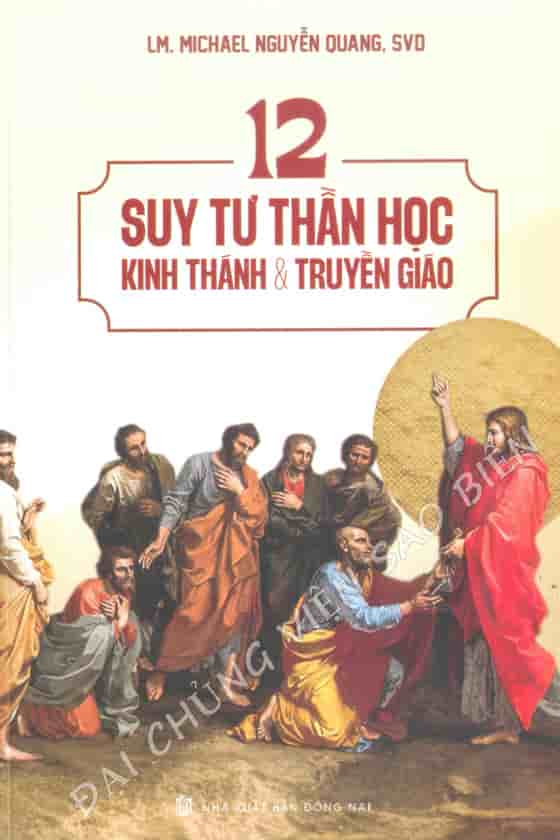
-
-
-
-
 Tác giả: Canon Francis J. Ripley
 -
-
-
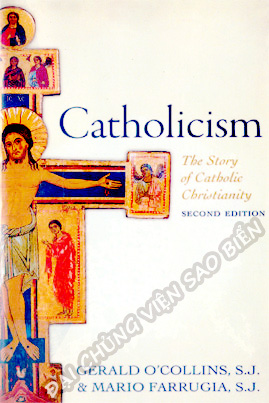 Tác giả: Gerald O'collins, S.J.
 -
-
 Tác giả: Louis Ott
 -

-

-
 Tác giả: Ian Knơx, C.S.Sp.
 -
-
-

-
 Tác giả: Lode Wostyn
 -

-

-

-

-
 Tác giả: Bruce D. Marshall
 -
 Tác giả: Karl Rahner
 -