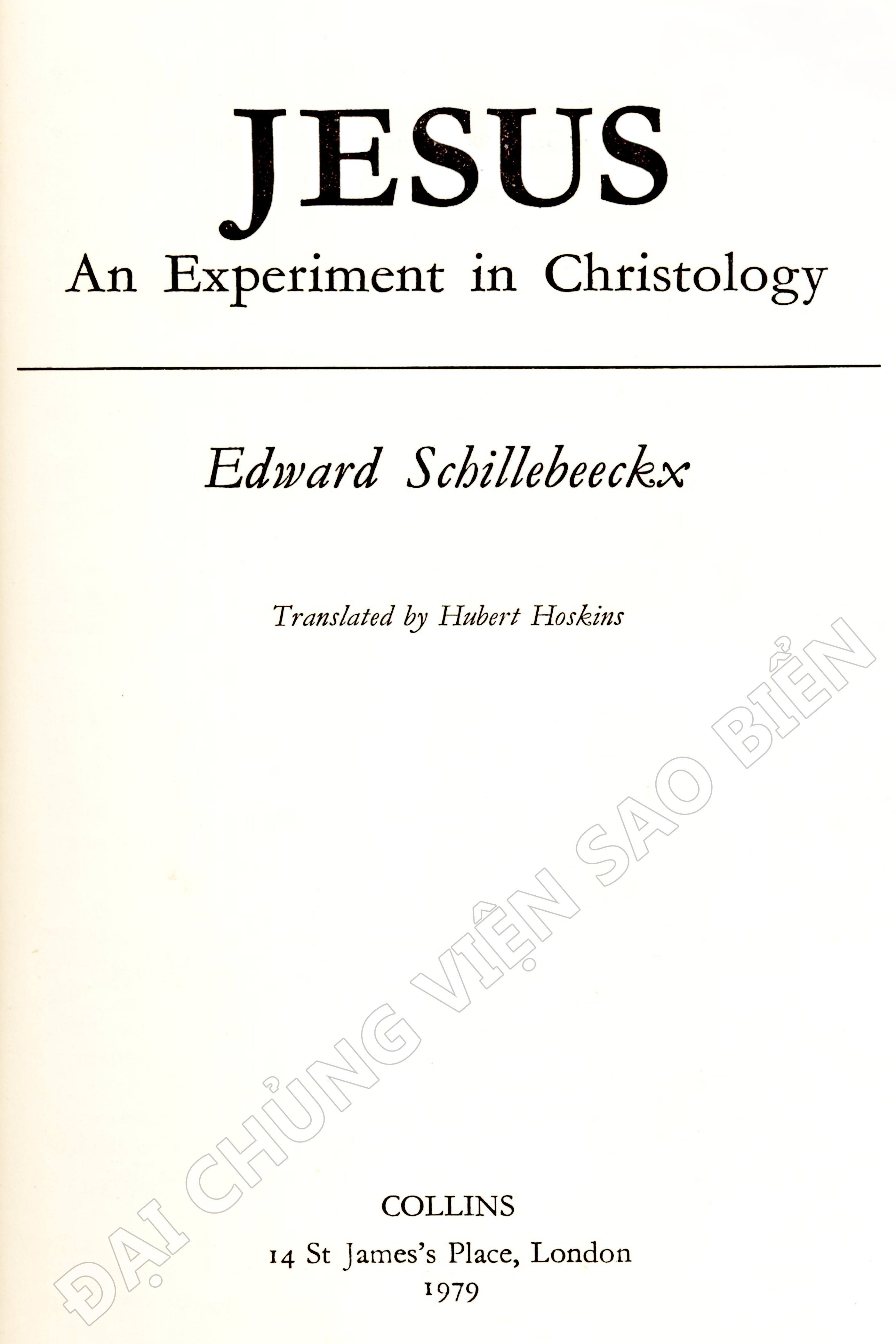
| Jesus, An Experiment In Christology | |
| Tác giả: | Edward Schillebeeckx |
| Ký hiệu tác giả: |
SC-E |
| Dịch giả: | Hubert Hoskins |
| DDC: | 232.1 - Kitô học |
| Ngôn ngữ: | Anh |
| Số cuốn: | 1 |
Hiện trạng các bản sách
|
||||||||||||||||
| JESUS AN EXPERIMENT IN CHRISTOLOGY | |
| Why this boook has been written | 17 |
| I. The story of a crippled man | 17 |
| II. The situation in outline | 19 |
| II. A challenge | 33 |
| IV. A note on exegesis and theology | 36 |
| Part one: questions of method, hermeneutics and criteria | 41 |
| section one: Jesus of Nazereth, norm and criterrion of any interpretation of Jesus | 43 |
| chapter 1: Historically grounded access of the believer to Jesus of Nazareth | 43 |
| 1. The structure of the offer of salvation and christian response | 44 |
| a. the human person, focus of manifold relationships | 48 |
| b. revelation and lecrouable disponible | 52 |
| c. the constant unitive factor | 57 |
| d. the tension between Jesus and the New Testament | 62 |
| 2. Jesus of Nazareth, acclaimed as the Christ, object of historicocritical enquiry | 64 |
| a. Diverse images of Jesus and Jesus the object of historial enquiry | 65 |
| b. Old and new, the critical approach | 67 |
| c. Modern historiography and Jesus of Nazareth | 71 |
| d. Theological significance of the historial quest for Jesus | 77 |
| chapter 2: The need is renewed for a postcritical, narrative history | 61 |
| section two: Criteria for a critical identification of the historical Jesus | 81 |
| 1. Background against which the historical criteria must be viewed: matrix of the several criteria | 81 |
| 2. Why then search for criteria relevant to the sifting process? | 85 |
| 3. The catolaguing of valid, positive criteria | 88 |
| a. The editing process a criterion of historicity traditons incorporated willy nilly | 91 |
| b. The criterion of form criticism the principle of dual irreducibility | 92 |
| c. Tradition as a historical criterion the principle of the cross section | 95 |
| d.Consistency of content as a criterion | 96 |
| e. Consistency of content as a criterion | 97 |
| e. The criterion of the rejection of Jesus'massage and praxis his exucution | 98 |
| 4. Frequently employed but invalid criteria | 100 |
| 5. note on the Q hypothesis | 103 |
| section three instification for the structure of this book, as according with the method, hermeneutics and criteriology discussed | 105 |
| part two the gospel of Jesus Christ | 107 |
| by way of introduction euaggelion or good news | 115 |
| section one what Jesus proclaimed and how he lived | 115 |
| chapter I Jesus'message of salvation on its way from God | 116 |
| 1.Prophetic and apocalyptic penitential movements in israel | 126 |
| 2.the message and activity of John the baptist | 136 |
| 3.Jesus'first prophetic act his baptism by john | 140 |
| 4.the basic impulse behind the message and preaching of Jesus | 140 |
| a.god'rule ditected at mankind the kingdom of god | 154 |
| b.the praxis of the kingdom of god. Jesus'parables | 172 |
| c.eschatological revolution Jesus'beatitudes | 179 |
| chapter 2:Jesus'manner of life | 179 |
| 1. Jesus'caring and abiding presence among people experienced as salvation coming from god | 179 |
| introduction | 179 |
| a.the beneficent reality of god lordship made present in Jesus'mighty acts | 179 |
| b.Jesus'dealings with people liberate them and make them glad Jesus as companion at table | 180 |
| c.the common life and fellowship with Jesus, prior to easter, of disciples who go after him | 200 |
| 2.man's cause as god's cause the god of Jesus | 218 |
| a.Jesus as man's liberator from a constricting view of god Jesus and the law | 229 |
| b.Jesus'original abba experience source and secret of his being, message and manner of life | 272 |
| section two kingdom of god rejection and death of Jesus | 273 |
| chapter 1 the rejection and death of Jesus | 274 |
| introduction the problem | 274 |
| 1.the death of jesus as interpreted in early christianity | 274 |
| 2. the death of Jesus, viewed in the context of his earthly life | 294 |
| 3.the historical grounds in law for Jesus'execution | 312 |
| chapter 2 Jesus'last prophetic sign his death as being for others to interpret | 318 |
| section three ithe christian story after Jesus'death the kingdom of god takes on the apperarance of Jesus Christ | 320 |
| chapter 1. the disciples scandalized by the arrest the exucution of Jesus | 320 |
| chapter 2 why do you seek the living among the dead? | 329 |
| 1.traditions centred on the Jerusalem siting of the holy supulchre | 329 |
| 2.the offcial apostolic traditon we believe that god raised him from the dead | 346 |
| chapter 3 the easter experience being converted on Jesus'initiative to Jesus as the Christ salvation found conclusively in Jesus | 379 |
| part three Christian interpretation of the crucified and risen one | 399 |
| section one the gospels as general hermeneusis of the risen Jesus | 401 |
| introduction | 401 |
| chapter 1 the early christian movement centred around Jesus divergent reflexes of the one Jesus of Nazareth | 403 |
| 1.taking stock of early chiristian credal trends | 403 |
| 2.primitive christian creeds and their historical foundation in Jesus | 404 |
| conclusion | 437 |
| chapter 2 first idebtufucatuib if the person, a link between the earthly Jesus and the very early christian creeds | 439 |
| the problem presented | 439 |
| 1.ready to hand Jewish models of latter day salvific figures | 441 |
| 2.the Christian first option from among the existing Jewish models or latteerday salvific figures | 472 |
| conclusion | 513 |
| section two direct hermeneusis of the resurrection in the new testament | 516 |
| chapter 1 raised from the dead | 518 |
| 1.late Jewish ideas about life after death | 518 |
| 2.god raised him from the dead | 523 |
| 3. the third day rose again according to the scriptures the resurrection of Jesus as an eschatological conclusive event | 526 |
| chapter 2 resurrection exaltation the sending of the spirit the rarousia | 533 |
| section three from a theology of Jesus to a christology | 545 |
| chapter 1 theology to the power of two | 545 |
| chapter 2 growing reflection within the traditions of the new testament | 550 |
| section four reflection in the early church of the post new testemet period christological dogma | 559 |
| conclusion of part three the problem stated | 570 |
| part four who do we say that he is? | 573 |
| section one the present christological crisis and its presuppositions | 575 |
| introduction | 575 |
| chapter 1 a conjunctural horizon of ideas and nonsynchronous rhythm in the complex tranformation of a culture | 576 |
| chapter 2 the break with tradition since the enlightenment | 583 |
| section two a universal intellective horizon not amenable to theorizing | 595 |
| chapter 1 unique universality of a particular human being in history | 595 |
| 1.the notion of human transcendence | 595 |
| 2.unique universality the universal appeal of what is proper to man | 602 |
| conclusion | 611 |
| chapter 2 the history of human suffering in the search for meaning and liberation | 612 |
| section three Jesus parable of God and paradigm of humanity | 626 |
| chapter 1 god'saving action in history | 626 |
| chapter 2 the christological problem | 636 |
| chapter 3 theoretical christology story and praxis of the kingdom of god | 669 |
| close coda to the story of the crippled man | 673 |
| note | 675 |
| technical information | 737 |


Các tác phẩm cùng thể loại
-

-
 Tác giả: Jean Galot S.J
 -
-

-
 Tác giả: Christian Duquoc
 -
-
-

-
-
-
-
-
-
 Tác giả: Albert Nolan
 -

-
-
-
 Tác giả: Albert Nolan
 -

-
 Tác giả: Ives Congar
 -
-
 Tác giả: Gerald O'collins, S.J.
 -
 Tác giả: Felipe Gomez, SJ.
 -

-
-
 Tác giả: Felipe Gomez, SJ.
 -
-
 Tác giả: Dermot A. Lane
 -
 Tác giả: Tài Liệu Năm Thánh 2000
 -
 Tác giả: Jacques Schlosser
 -
 Tác giả: Nhiều Tác Giả
 -
 Tác giả: Jon Sobrino, S.J
 -
 Tác giả: Roch A. Kereszty
 -
-
-
-
-
-
 Tác giả: Jacques Duquesne
 -
-
 Tác giả: Karl Heinz Ohlig
 -
 Tác giả: Leonardo Boff
 -
-

-
 Tác giả: Đại Chủng viện Sao Biển
 -
 Tác giả: Gerald O'collins, S.J.
 -
-
-
 Tác giả: Christian Duquoc
 -
 Tác giả: Lm. Augustinô Nguyễn Văn Trinh
 -
 Tác giả: Maurizio Gronchi
 -
 Tác giả: Thomas P. Rausch
 -
 Tác giả: Walter Kasper
 -
-
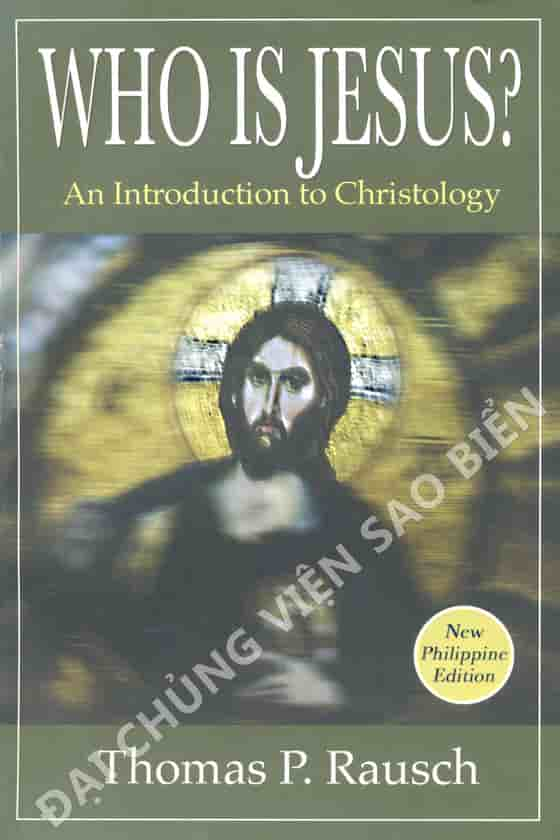 Tác giả: Thomas P. Rausch
 -
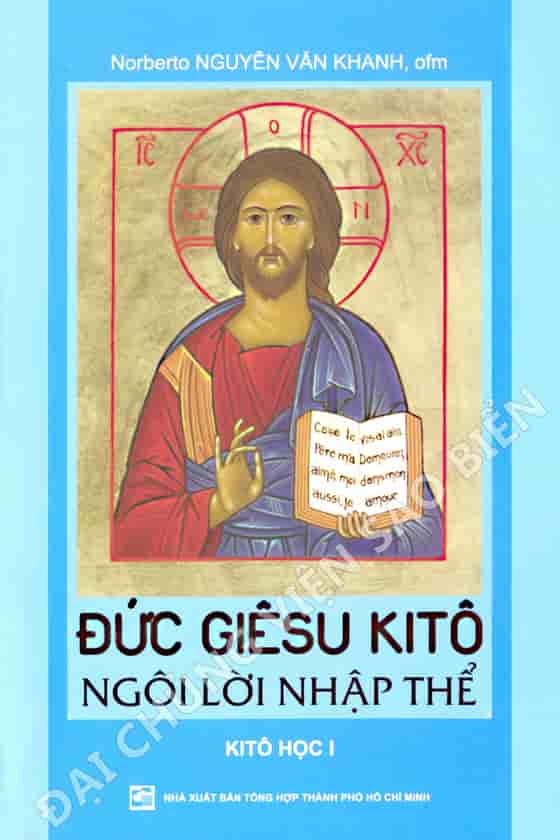
-
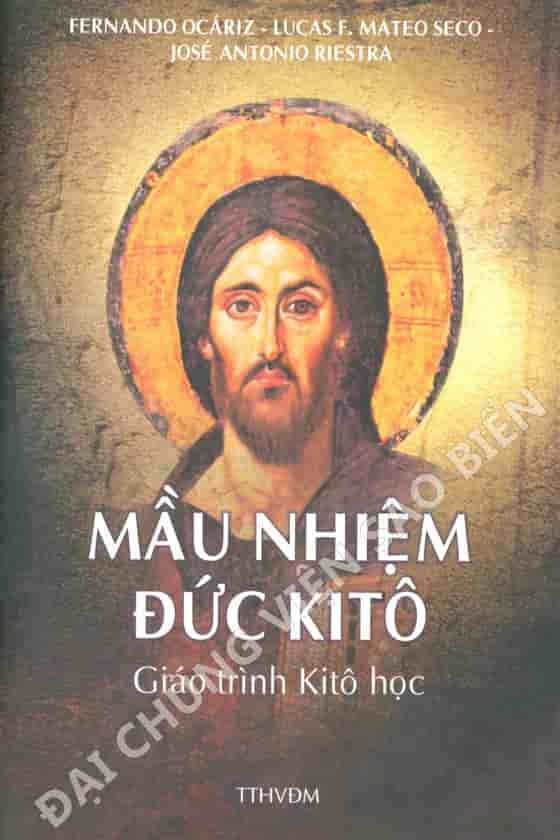
-
-
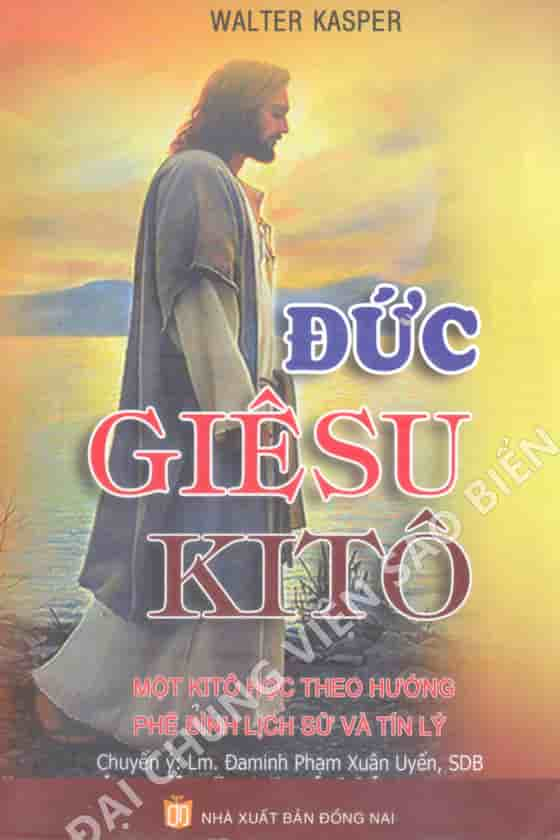 Tác giả: Walter Kasper
 -
 Tác giả: Roch A. Kereszty
 -
 Tác giả: F.X Tân Yên
 -
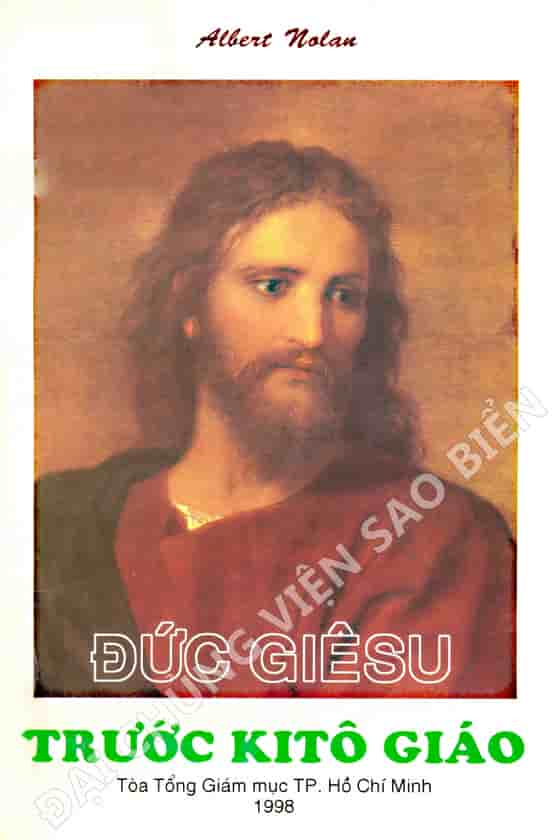 Tác giả: Albert Nolan
 -
-
-
-

-
-

-
 Tác giả: Gerhard Lohfink
 -
-
-
-
-
 Tác giả: Wolfhart Pannenberg
 -
 Tác giả: Lm. Antôn Nguyễn Đức Khiết
 -
 Tác giả: Trần Văn Hiến Minh
 -
-
 Tác giả: Edward Schillebeeckx
 -
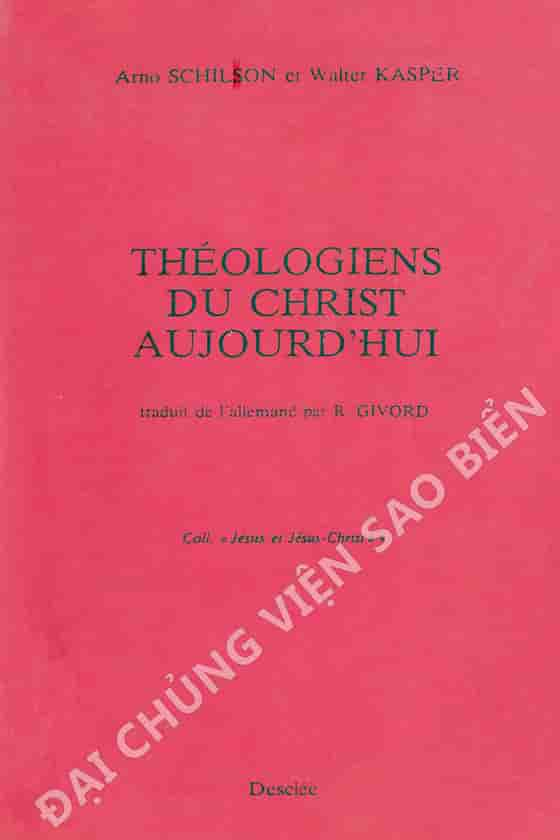
-
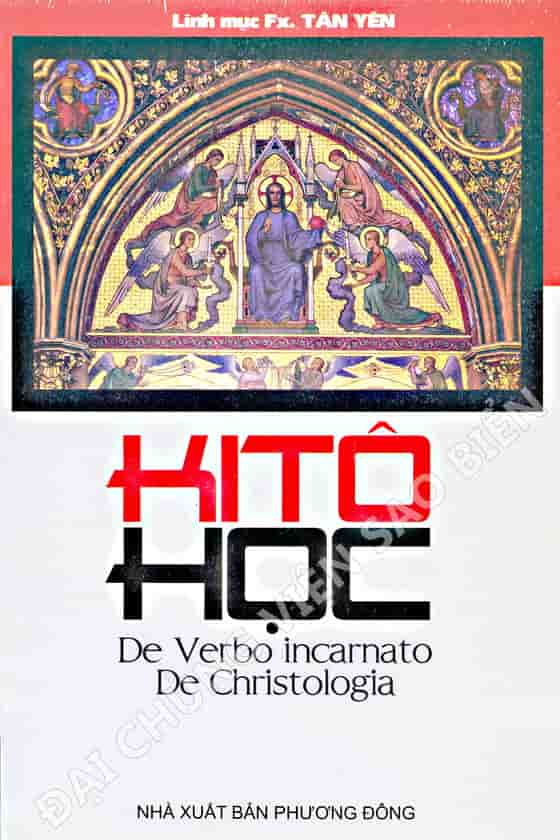 Tác giả: F.X Tân Yên
 -

-
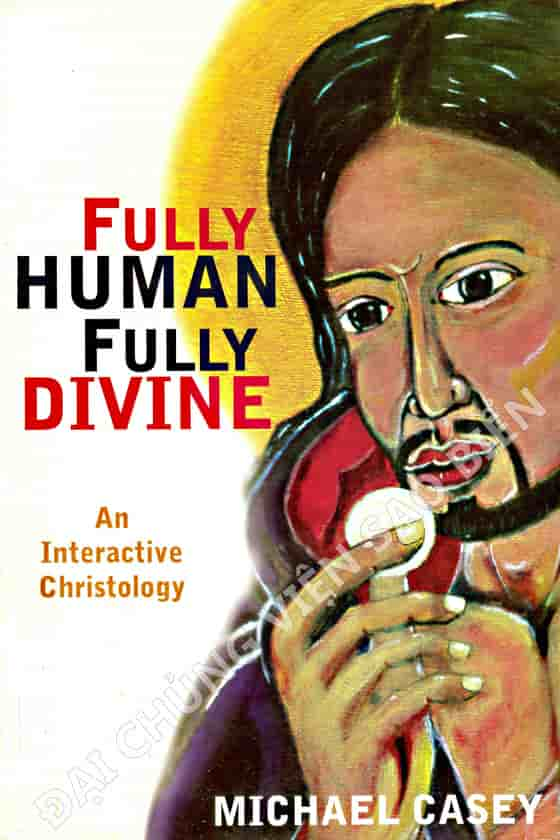 Tác giả: Michael Casey
 -
-
 Tác giả: Denis Edwards
 -
 Tác giả: Nhiều Tác Giả
 -
 Tác giả: Gerhard Lohfink
 -
 Tác giả: Christian Duquoc
 -
 Tác giả: Janine Dupuy
 -
-
-
 Tác giả: Michael Fallon, MSC
 -
 Tác giả: Raymond E. Brown, S.S
 -
-

-
 Tác giả: Christopher Mcmahon
 -
 Tác giả: Piet Schoonenberg, SJ
 -
 Tác giả: Nhiều Tác Giả
 -

-
 Tác giả: Michael L. Cook. SJ
 -