| ENGLISH TRANSLATION |
|
| 1. Understanding and Method |
3 |
| The Notion of Question |
5 |
| The Question |
5 |
| The Serial Arrangement of Questions |
13 |
| The Ordering of A nswers |
17 |
| The Serial Arrangement of the Orderings of Answers |
29 |
| The Criteria for a New Ordering |
31 |
| Triple Problem: of Foundation, of Historicity, and of the Chasm |
37 |
| The Problem of Foundation |
37 |
| the Problem of I fistoricity |
39 |
| The Problem of the Chasm |
43 |
| The Possibility of a Solution |
49 |
| The Unity of the Solution |
79 |
| The Notion of Science |
81 |
| Illustrative I-samples I aken from Various Notions of Science |
81 |
| Knowledge of Essence |
81 |
| Certain Knowledge of Tilings through Their Causes |
83 |
| Laws and System |
87 |
| Deduction from Analytic Principles |
89 |
| Science and Necessity |
91 |
| The Notion of Samer: Conclusion |
95 |
| Two Modes of Human Thought |
97 |
| First Step: Symbolism |
97 |
| Second Step: The Use of language |
1O7 |
| Proper Nouns |
107 |
| Common Nouns |
109 |
| Third Step: Methodical Scientific Understanding |
113 |
| Method and Its Precepts |
117 |
| First Precept: Understand |
119 |
| Second Precept: Understand Systematically |
127 |
| The Ideal of Understanding: To Be Complete |
127 |
| Using the End as a Means to the End |
129 |
| Some Theological Examples |
133 |
| Third and Fourth Precepts: Reverse Counterpositions, Develop Positions |
139 |
| Fifth Precept: Accept Responsibility for Judging |
143 |
| Application of the Rules of .Method to Theology |
155 |
| Theological Illustration ol die First Rule: Understand |
157 |
| Theological Illustration of the .Second Rule: Understand Systematically |
161 |
| Theological Illustration of the Thitd Rule: Reverse Counterpositions |
167 |
| Theological Illustration of the Fourth Rule. Develop Positions |
171 |
| Theological Illustration of the Fifth Rule: Accept Responsibility for Judging |
207 |
| Conclusion |
217 |
| |
|
| 2. System and History |
231 |
| Introducing the Question |
231 |
| The Greek Mentality |
237 |
| The Modern Mentality |
241 |
| The Conception of History |
243 |
| Direct and Cercumstantial Evidence |
243 |
| History Conceived according to Direct Evidence |
245 |
| History Conceived according to Circumstantial Evidence |
247 |
| How is This Modern History a Science in the Classical Sense |
249 |
| How This Modern History is a Science in the Modem Sense |
251 |
| Historicism |
273 |
| Art |
287 |
| The Notion of Ari |
289 |
| The Circle of Operation |
299 |
| Operable. Operation. Result (Operated) |
299 |
| Identical Operation (or None) |
299 |
| The Linking of Operations; Cyclical Series, Direct and Invent Operations |
301 |
| the Composition of Operations; Isomorphism |
301 |
| Circles of Operations |
303 |
| Operators Habit |
305 |
| The System of the Results |
307 |
| The Unity and Division of the Sciences |
309 |
| Do the Operations of Hegelian Dialectic Form a Cirdt |
311 |
| Are There Other Circles of Operations besides Those of Hegel |
311 |
| Do the Circles Proposcd by Hegel Really Uxist? |
313 |
| |
|
| 3. Editorial Report on the Handwritten Notes for ‘De Systemate et Historia |
314 |
| Operation and Meaning |
314 |
| Are Perspectives True? |
317 |
| Religion and Metaphysics |
321 |
| Phenomenology |
323 |
| Perception |
323 |
| Being |
324 |
| History and System |
326 |
| Modes of Apprehension |
327 |
| The Circle of Operations |
328 |
| The Expressive |
329 |
| More on Art |
330 |
| Historicism |
331 |
| Human Reality |
333 |
| More on Human Reality |
336 |
| Three Notions of Science |
337 |
| The Dynamics of System |
338 |
| Science and the Human Sciences |
341 |
| History A. B. and C |
346 |
| The Problem ofa Critical Sacred History |
347 |
| Specialization |
348 |
| |
|
| 4. Report on Archival Notes Relevant to The Spring 1961 Course De Intellectu et Methodo |
350 |
| |
|
| 5. The Method of Theology |
371 |
| Bibliography |
359 |
| Procedure to Be Followed |
361 |
| Chapter 1:On Method in General |
363 |
| Theology and Method |
363 |
| Operations in General |
363 |
| The Operating Subject in General |
369 |
| Horizon |
369 |
| Broadening One's Horizon |
371 |
| The Conversion of the Subjet |
371 |
| The Inauthentic Subject |
373 |
| Relative Inauthenticity |
373 |
| Absolute Inauthenticity |
377 |
| Objects Considered from a Methodological Viewpoint |
377 |
| Methodological Consideration Itself |
381 |
| Chapter 2: The First Problematic |
387 |
| Radical Antitheses |
395 |
| The Sacred World and the Profane- World |
395 |
| Integrations |
397 |
| The Innei and Outer Worlds |
397 |
| The Visible World and the Intelligible World |
401 |
| Further Reflection on These Various Worlds |
403 |
| What Do We .Mean by a World |
403 |
| The Differentiation ol Worlds |
403 |
| The Concrete Study of Worlds |
407 |
| The Historical Study ol Worlds |
407 |
| Movrntrnt in Worlds |
409 |
| The Integration of Worlds |
411 |
| The Changeability of Integration |
413 |
| The Place of Integration |
413 |
| Problem Not Religious |
415 |
| Problem I heological |
415 |
| Some General Answers to the Theologycal the Antitheses |
429 |
| Theology as a Strict Science |
429 |
| A New Differentiation of Science in rheology |
437 |
| Wisdom. Wise Judgment, and the Integration of the New Differentiation |
445 |
| The Exclusion of Extrinsic ism and of Immanentism |
463 |
| Distinctions within the Unity of Human Knowledge |
501 |
| |
|
| Appendix I: Introduction to the Notion and Problem of Method |
591 |
| The Question |
591 |
| The Serial Arrangement of Questions |
595 |
| Ordering die Answers |
597 |
| The Serial Arrangement of the Orderings / hot Questions Arising Out of th Truthing of the –New Testament |
603 |
| The Criterion of a New Ordering |
605 |
| The Importance of the Foregoing Topic for Schodasticism |
609 |
| The Problem of Foundation |
611 |
| The Problem of Historicity |
613 |
| The Problem of the Chasm |
615 |
| Towards a Solution to These Problems: A First Step |
619 |
| The Problem of the Chasm: A First Step |
633 |
| The Problem of Historicity: A First Step |
635 |
| The Problem of Historicity |
639 |
| The Unity of the Solution |
639 |
| |
|
| Appendix 2: Items Related to ‘De Methodo Fixpression |
643 |
| The Explicit and the Implicit |
649 |
| The Historical Explicit and Implicit |
653 |
| The Theological Problem |
657 |
| Theology |
663 |
| Theological Operations |
671 |
| The Older of Exposition |
673 |
| Hermeneutics Is the Art of I nderManding a Text or a Document |
677 |
| The Genesis of Theological Categot.es |
681 |
| The Human Good |
683 |
| Meaning |
691 |
| Index |
709 |
| |
|
| LATIN TEXT |
|
| De Intcllectu ct Methodo |
2 |
| De Notione Quaestionis |
4 |
| De quart tiane |
4 |
| De seriatúmr quaestionum |
12 |
| De ordinalionr mfwruwnum |
16 |
| De vriationr ordiriahonum rrtpontionum |
28 |
| De criteria nmw ardinationit |
30 |
| De tnplia fnrddrmalr; fundamenti. hiMonntatu. Rhasmatu |
36 |
| Problema fundamenti |
36 |
| Problema historicitatis |
38 |
| Problema c hasmatis |
42 |
| De posibilítate solutionis |
48 |
| De imitate solutionis |
78 |
| De Notione Scientiae |
80 |
| Illuttralionrs ex divrmi notionibut sambar |
80 |
| Scientia potest concipi ut 'cognitio essentiae rci. qua cognita cognoscuntur rei pi op neta tes |
80 |
| Scientia potest concipi tamquam "certa rerum per causas cognitio' |
82 |
| Scientia potest concipi tamquam de legibus quae in aliquo systemate adhibentur |
86 |
| Scientia potest concipi tamquam deductio ex principiis analytic is |
88 |
| Scientia potest cone ipi tamquam sit de necessariis |
90 |
| Condusto dr notione itimbae |
94 |
| De Duplici Modo Humanac Cogitationis |
96 |
| Primus gressus: Symbolismus |
96 |
| Secundus gressus: usus linguae |
106 |
| De nominibus propriis |
106 |
| De nominibus communibus |
108 |
| Tertius gressus: intelligentia scientijica methodica |
112 |
| De Methodo Eiusque Praeceptis |
116 |
| De primo praecepto: Intellige |
118 |
| De secundo praecepto: intellige systematice |
126 |
| Ideale intelligendae: intelligenda vuk esse completa |
126 |
| Finem adhibere tamquam medium ad finem |
128 |
| Exempla theologica |
132 |
| De tertio et quarto praeceptis: inverte contrapositiones; positiones sunt evolvendae |
138 |
| De quinto praecepto: responsabililas iudicandi est acceptanda |
142 |
| De applicatione regularum methodi theologiae |
154 |
| Theologica ¡Ilustrado primae regulae: Intellige |
156 |
| Theologica ¡Ilustrado secundae regulae: Intellige systemadee |
160 |
| Illustratio theologica tertiae regulae: Inverte contrapositiones |
166 |
| Illustratio theologica quartae regulae: positiones sunt evolvendae |
170 |
| Illustratio theologica quintae regulae: responsabilitas iudicandi est acceptanda |
206 |
| Conclusio |
216 |
| De Systemate et Historia |
230 |
| Introducitur Quaestio |
230 |
| Mentalitas Graeca |
236 |
| Mentalitas Moderna |
240 |
| Conceptio Historiae |
242 |
| Evidentia directa et circumstantialis |
242 |
| Historia concepta secundum evidentiam directam |
244 |
| Historia concepta secundum evidentiam drcumstantialem |
246 |
| Quo sensu haec historia moderna sit scientia sensu antii/uo |
248 |
| Quo sensu historia moderna sil scientia sensu moderno |
250 |
| De Historcismo |
272 |
| De Historic ismo |
282 |
| De Arte |
286 |
| De notione artis |
288 |
| De Circulo Operationum |
298 |
| Operabile, operatio, operatum |
298 |
| Operatio identic |
298 |
| Operationum coniunctio; series cyclica; operatio directa et inversa |
300 |
| Operationum compositio; isomorphismus |
300 |
| Operationum circuit |
302 |
| Habitus operatori us |
304 |
| Operalonim systema |
306 |
| De unitate et divisóme scientiarum |
308 |
| Utrum operationes dialécticas Hegelianae circulum forment |
310 |
| Utrum alii exsistant operationum circuit praeter eos ab Hegel excogítalos |
310 |
| Utrum ipsi circuit ab Hegel propositi exsistant |
312 |
| De Methodo Theologiae |
358 |
| Bibliographica |
358 |
| Modus Procedendi |
360 |
| Caput Primum: De Methodo in Genere |
362 |
| Theology and Methodi |
362 |
| De Operationibus in Genere |
362 |
| DeSubiecto Operante in Genere |
368 |
| Horizon |
368 |
| De horizonte ampliando |
370 |
| De conversione subiecti |
370 |
| De subiecto inauthentico |
372 |
| Radical Antitheses |
394 |
| Mundus sacer et Profanus |
394 |
| Integrations |
396 |
| Mundus interior et exterior |
396 |
| Mundus aspectabilis et intelligibilis |
400 |
| Quid mundus? |
402 |
| Differentiate mundorum |
402 |
| Analogía mundorum |
406 |
| Concreta mundorum consideratio |
406 |
| Histórica mundorum consideratio |
406 |
| Mundorum mobilitas |
408 |
| Mundorum integrado |
410 |
| Integrationum mobilitas |
412 |
| Integration is locus |
412 |
| Problemática Theologica in Antithesibus (Mundis) Fundata |
414 |
| Problem Not Religious |
414 |
| Problem Theological |
414 |
| Ad Problematicam Theologicam in AntitithesibusFundatam Responso Quaedam Generadora |
428 |
| Theology as a Strict Sciencel |
428 |
| A New Differentiation of Science in Theology |
436 |
| Wisdom, Wise Judgment, and the Integration of the New Differentiation |
444 |
| The Exclusion of Extrinsicism and of Immanentism |
462 |
| Distinctions within the Unity of Human Knowledge |
500 |
| Appendix 1: Introductio in notionem et problema methodi |
590 |
| Quaestio |
590 |
| De Seriatione Quaestionum |
594 |
| De Responsis Ordinandis |
596 |
| De Seriatione Ordinationum |
600 |
| De quaestionibus quae ex doclrinae NT oriuntur |
602 |
| Criterion Ordinationis Novae |
604 |
| Momentum praecedentis considerationis generalis pro scholasticis |
608 |
| Problema Fundament! |
610 |
| Problema Historicitatis |
612 |
| Problema Khasrnatis |
614 |
| Versus Solutionem Problematum: Gressus Initialis |
618 |
| Problema Khasrnatis: Gressus Initialis |
632 |
| Problema Ilistoricitatis: Gressus Initialis |
634 |
| Problema historicitatis |
538 |
| De Unitate Solutionis |
638 |
| |
|
| Appendix 2: Items Related to ‘De Methodo Theologiae’ |
642 |
| De Expressione |
642 |
| De Explícito et Implícito |
648 |
| De Explícito et Implícito Histórico |
652 |
| De Problemate Theologico |
656 |
| De Theologia |
662 |
| De Operationihus Theologicis |
670 |
| De Ordine Expositionis |
672 |
| Hermenéutica Est Ars Intelligendi Textum, Documentum |
676 |
| De Genesi Categoriarum Theologicarum |
680 |
| De Bono Humano |
682 |
| Sensus |
690 |


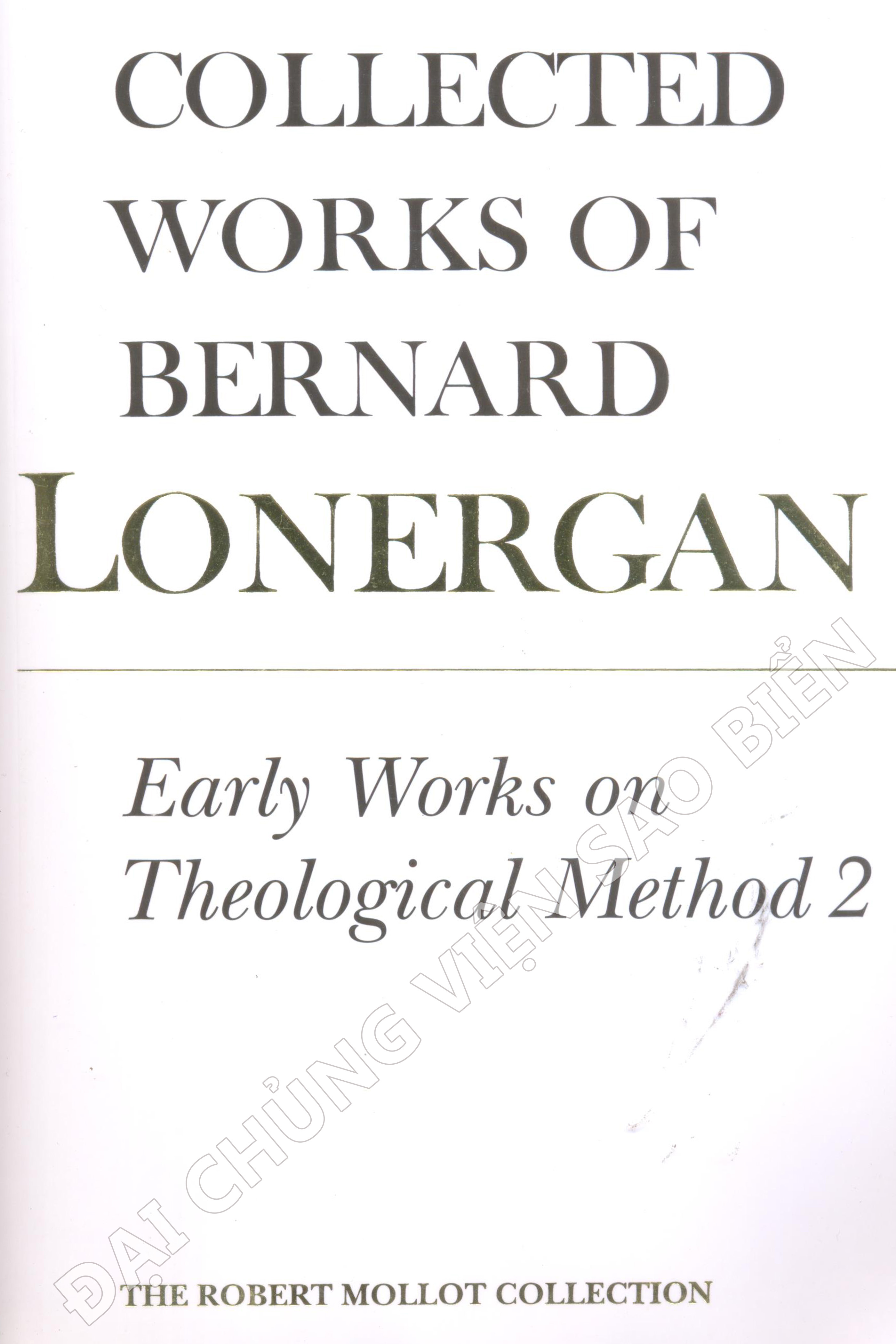


 Tác giả: Jean Guitton
 Tác giả: Philip Kennedy, OP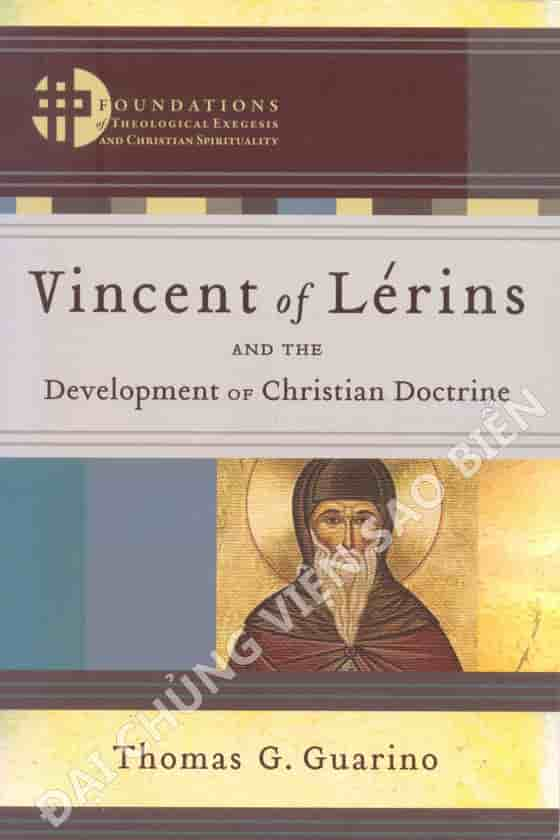
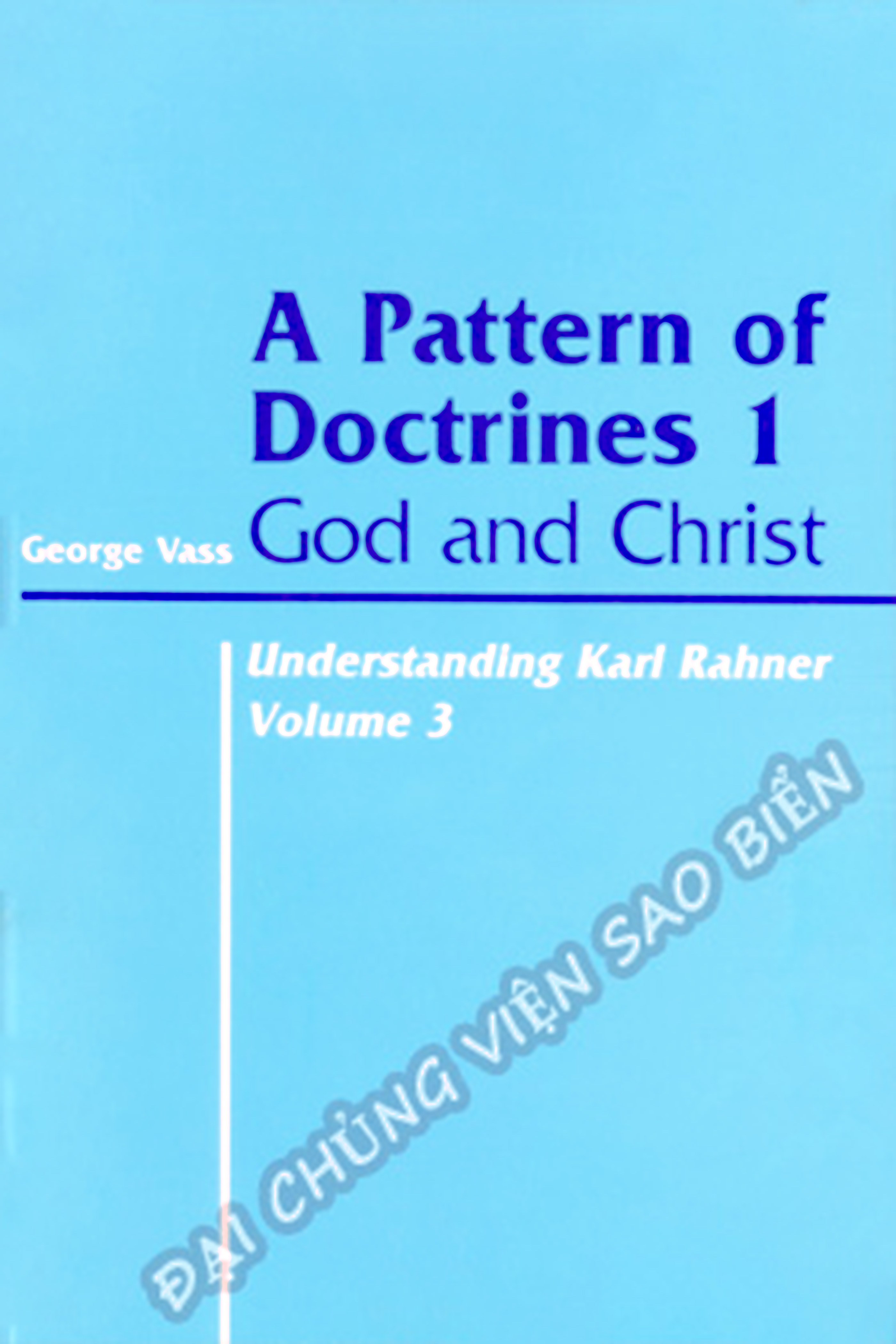
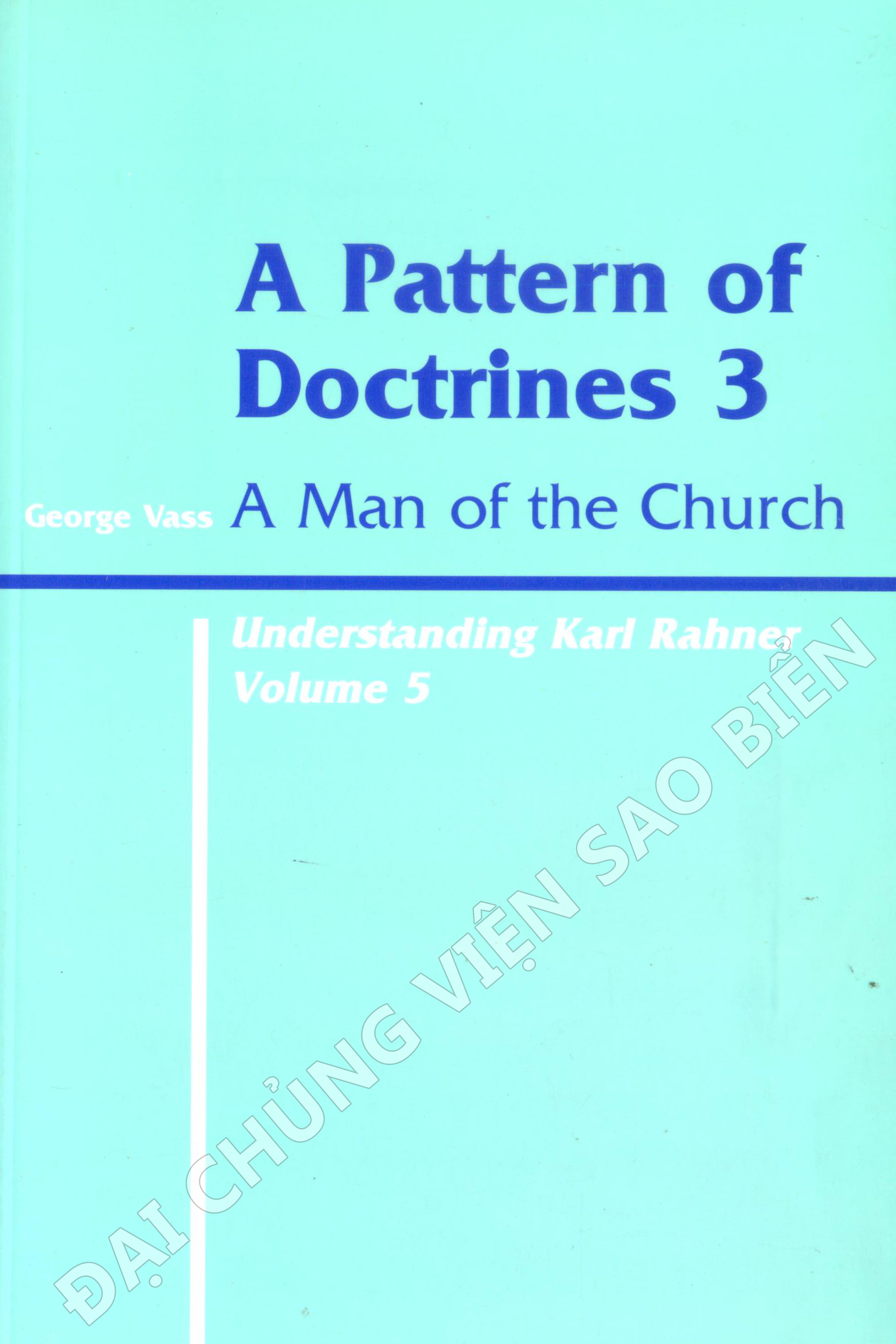 Tác giả: George Vass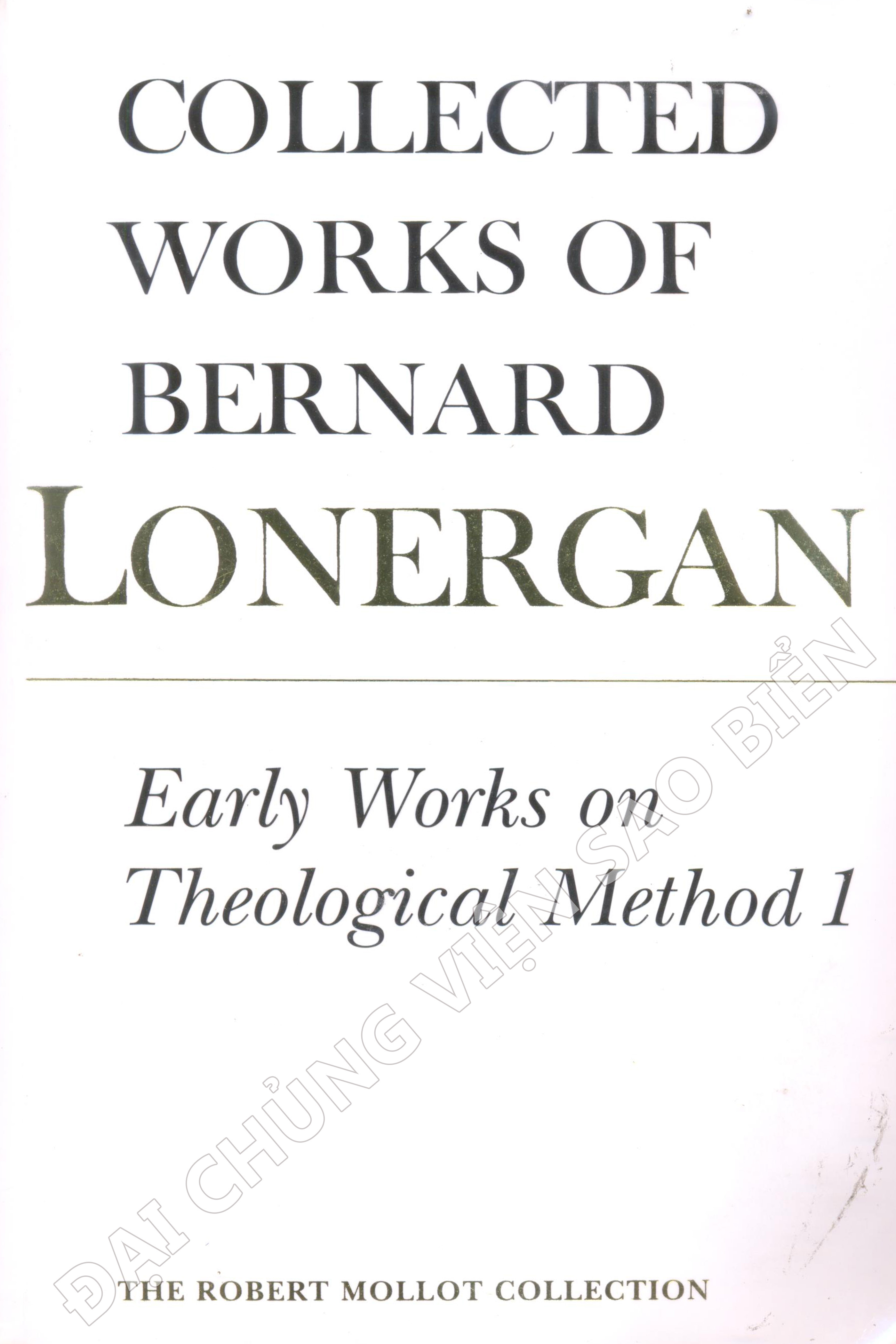
 Tác giả: Gregory Baum
 Tác giả: Daniel A. Rober
 Tác giả: John O'Donnell SJ







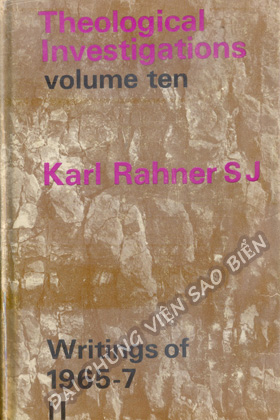


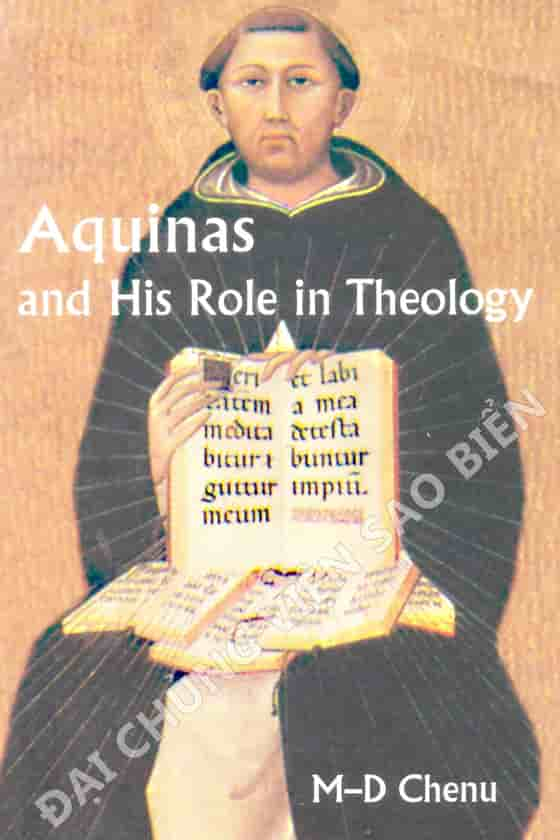
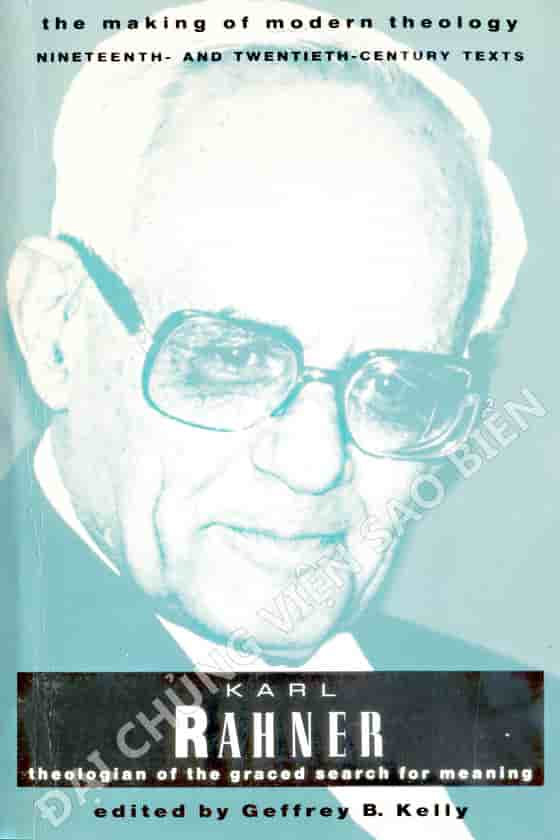 Tác giả: Gefrey B. Kelly
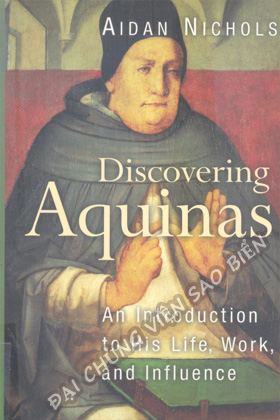 Tác giả: Aidan Nichols
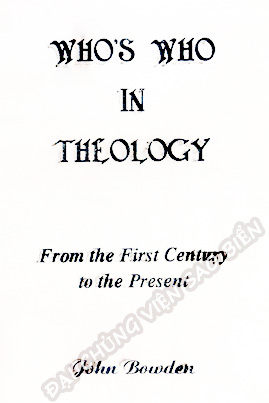 Tác giả: John Bowden

 Tác giả: Hans Kung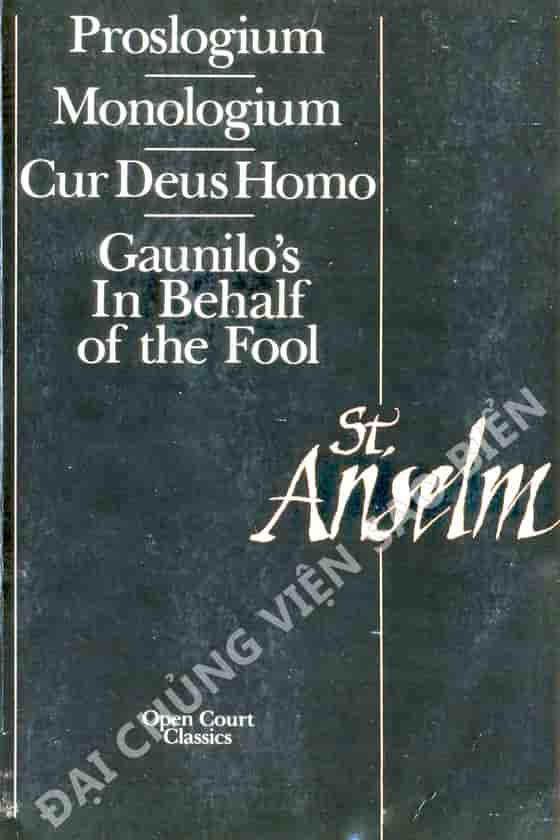
 Tác giả: William V Dych, S.J.
 Tác giả: Karl Rahner
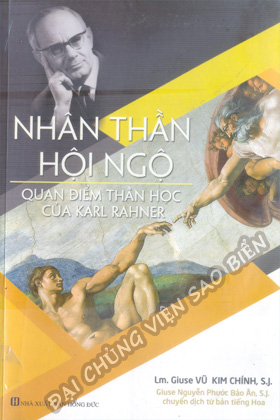


 Tác giả: James J. Bacik
 Tác giả: Dietrich Bonhoeffer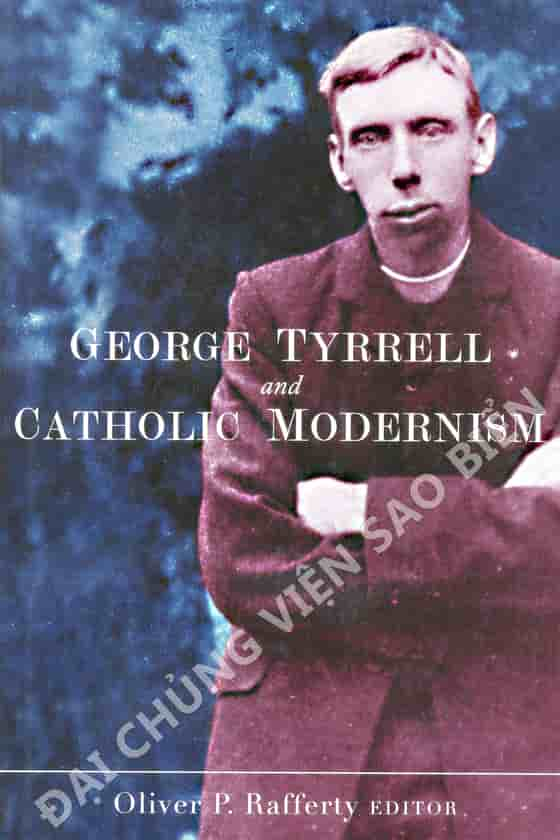
 Tác giả: Helen F Bergin
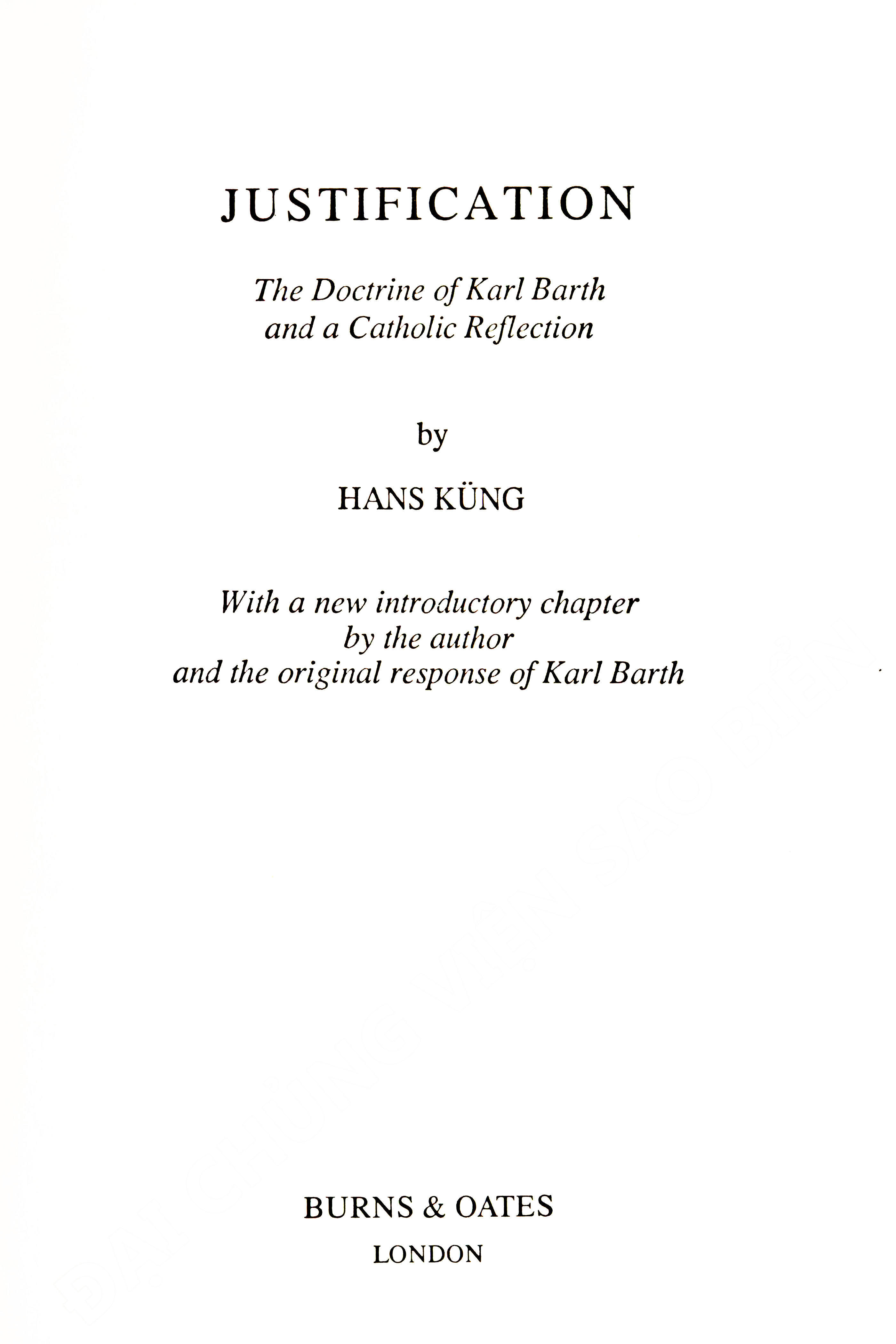 Tác giả: Hans Kung
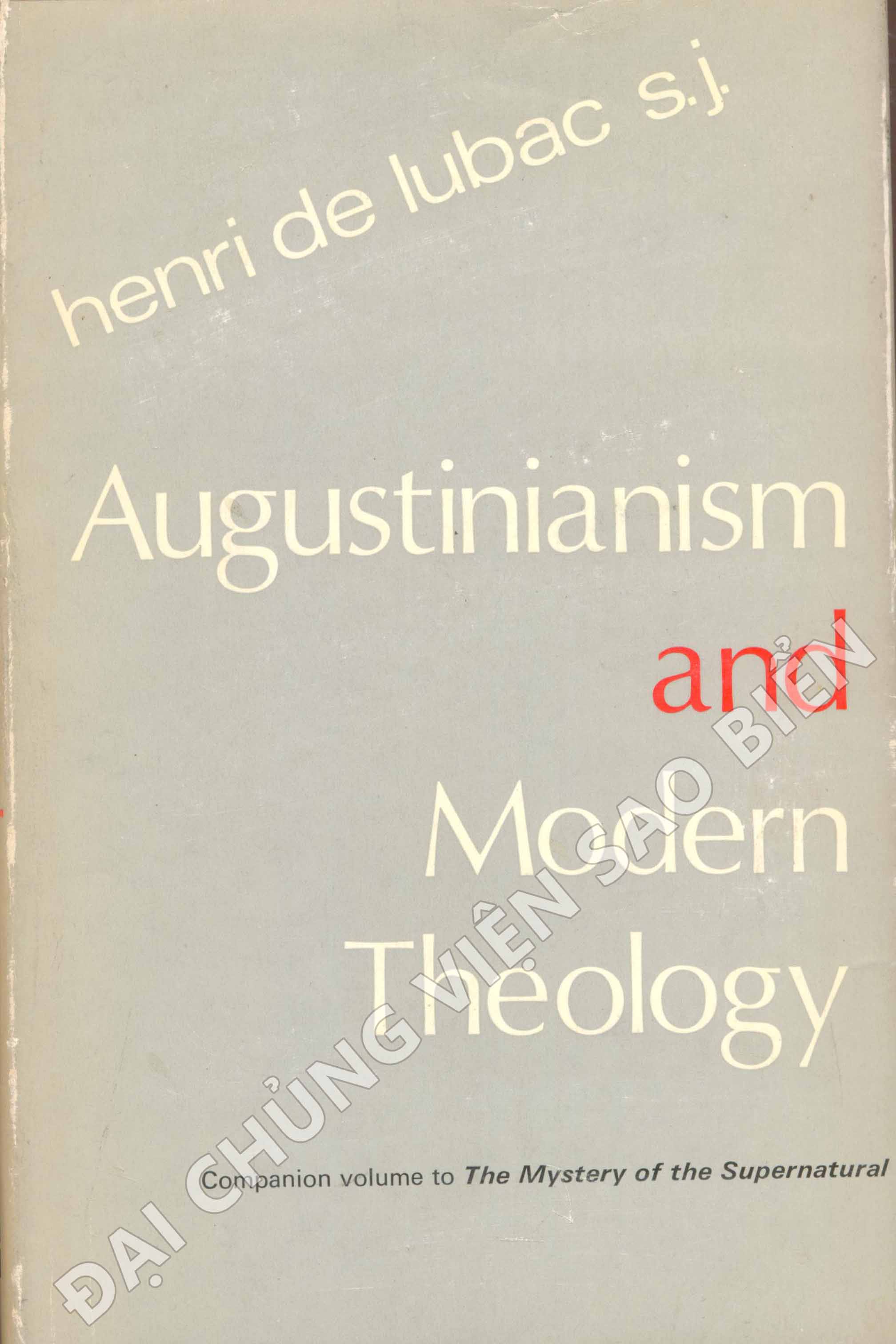


 Tác giả: Bernard Sesboüé, S.J.
 Tác giả: Henri de Lubac, S.J
 Tác giả: Donald L. Gelpi
 Tác giả: Karl Rahner
 Tác giả: Sabine Dramm
 Tác giả: Robert Speaight
 Tác giả: Mary & Ellen Lukas
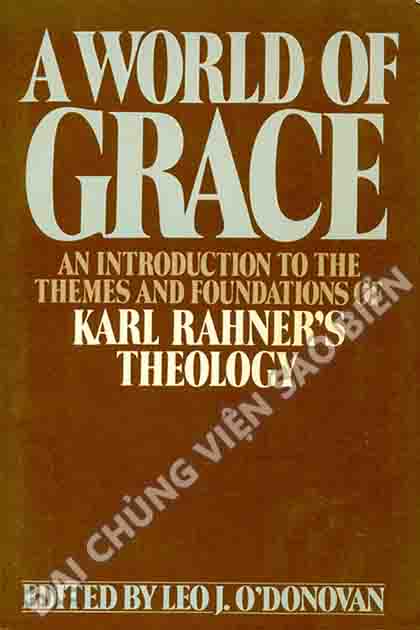 Tác giả: Leo O'Donovan
 Tác giả: Augustine