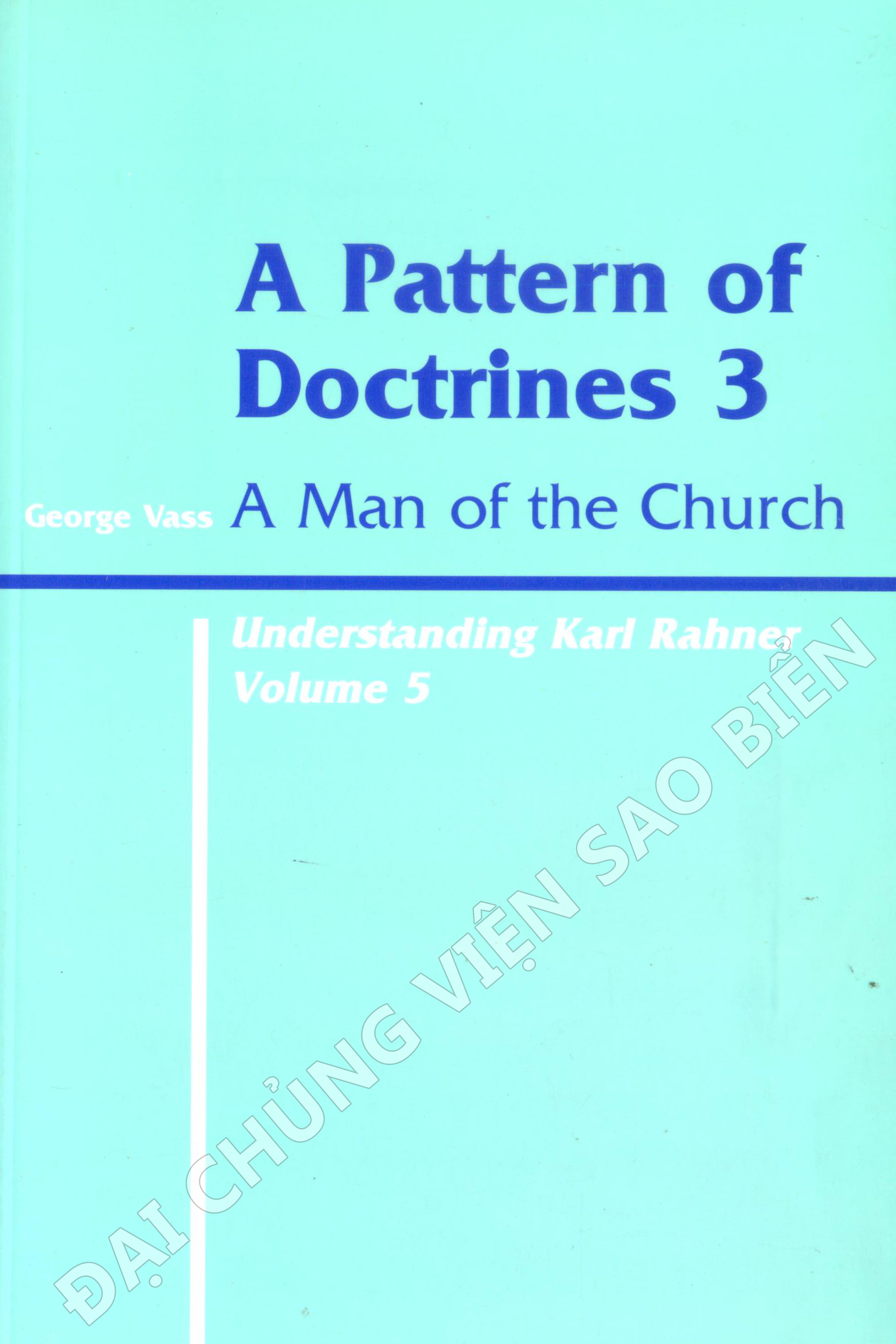
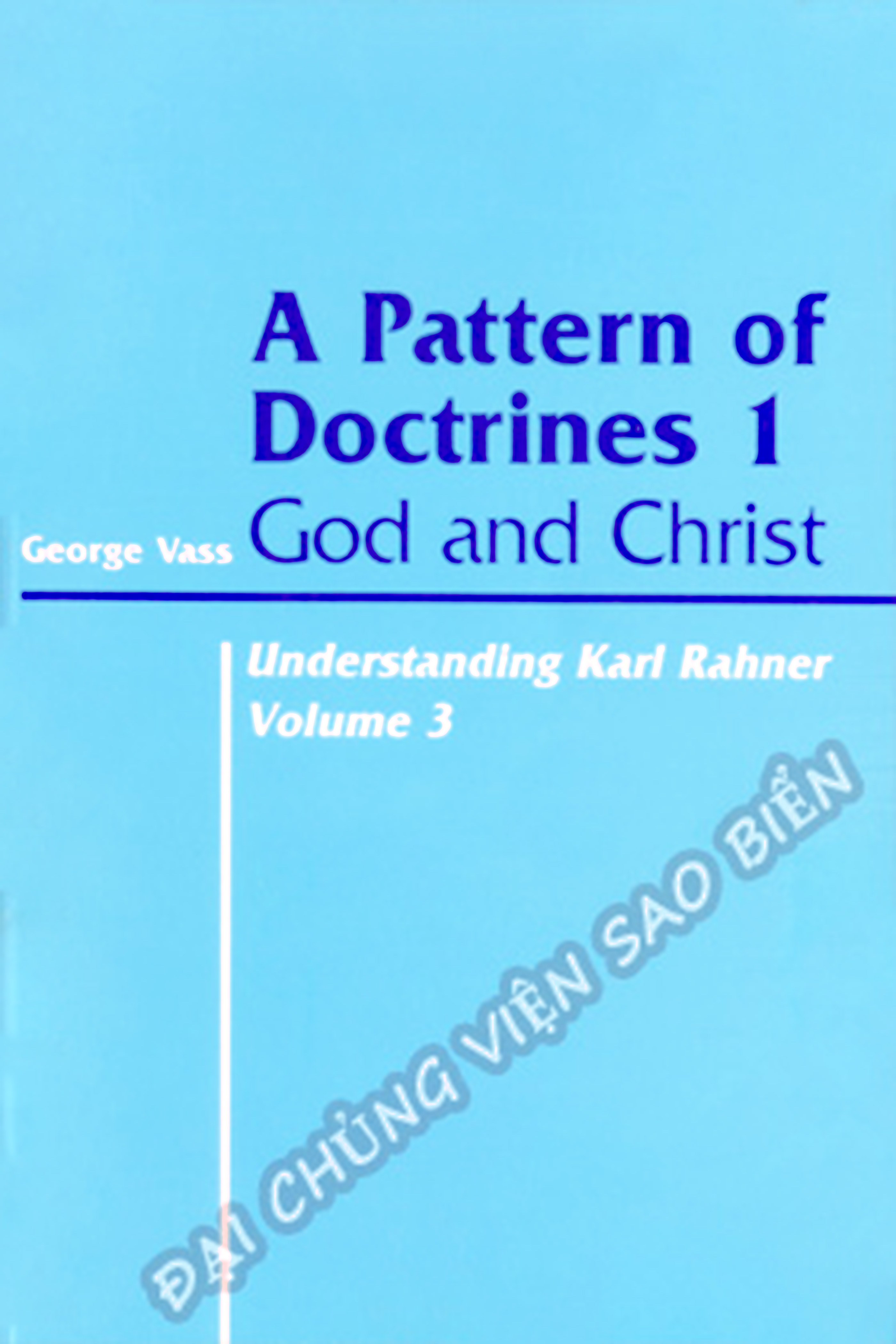
| A Pattern Of Doctrines 3 | |
| Phụ đề: | Understanding Karl Rahner |
| Tác giả: | George Vass |
| Ký hiệu tác giả: |
VA-G |
| DDC: | 230.092 - Các thần học gia |
| Ngôn ngữ: | Anh |
| Số cuốn: | 1 |
Hiện trạng các bản sách
|
||||||||||||||||
| Contents | |
| Chapter | Page |
| PREFACE | ix |
| TABLE OF ABBREVIATIONS | xiii |
| Introduction: The 'Wintry Season' of the Church | 1 |
| 1 Foundations of an Ecclesiology | 8 |
| 1.1 Ecclesiology in Advance. Some Early Insights | 8 |
| 1.1.1 The Word of God and the word of the Church | 9 |
| 1.1.2 Church of sinners: Church of saints | 13 |
| 1.1.3 The members of the Church | 16 |
| 1.2 Transcendental' Ecclesiology: The Church and Human Freedom | 22 |
| 1.2.1 The Church as entailed in human freedom | 22 |
| 1.2.2 'We believe in the Church' | 26 |
| 1.3 Doctrinal Ecclesiology: The Irreversible Sign of Salvation | 31 |
| 1.3.1 On defining the Church | 32 |
| 1.3.2 The 'existential' being of the Church | 34 |
| 1.3.4 The Church as a 'pneumatic' institution | 42 |
| 2 Comments and Questions: Communion of the Faithful | 45 |
| (A) Rahner's method | 45 |
| (B) A 'dialetical' experience | 46 |
| (C) An experience of freedom | 48 |
| (D) An experience interpreted by faith | 50 |
| (E) Some critical remarks | 52 |
| (G) The double-faced reality | 54 |
| (F) Bonhoeffer's 'collective person' | 57 |
| (H) Church: a redeemed communion | 62 |
| (I) A 'definition' of the Church | 63 |
| 3 The Two-Faceted Church | 70 |
| 3.1 Church and Institution | 71 |
| 3.1.1 The individual and the institution | 71 |
| 3.1.2 Charisma and freedom | 75 |
| (A) The dynamic element | 77 |
| (B) The 'self-accomplishment' of the Church | 79 |
| (C) The charismatic in the Church | 80 |
| 3.2 The Catholic Claims of Rome | 82 |
| 3.2.1 The Founder by divine right | 82 |
| (A) The notion and the evidence | 83 |
| (B) Jus divinum | 86 |
| 3.2.2 The structures of an open Church | 89 |
| (A) The laity | 90 |
| (B) The sense and meaning of the hierarchy | 98 |
| 3.3 The Organs of the Church | 103 |
| 3.3.1 The sacred Ministry | 103 |
| (A) The priesthood and the diaconate | 104 |
| (B) The bishops and their college | 115 |
| (C) The Pope: symbol of unity | 130 |
| 3.3.2 The Magisterium | 142 |
| (A) The concept of the Magisterium | 143 |
| (B) The 'obscure' nature of the Magisterium | 146 |
| (C) The 'infallible' statements of an 'infallible' Magisterium | 154 |
| (D) The teaching office of the Church and the theologian | 160 |
| 4 Comments and Questions: The Church in the Power of the Spirit | 168 |
| 4.1 The Relevance of Sociology | 170 |
| (A) The analogy between sociology and ecclesiological beliefs | 170 |
| (B) The pneumatological structure | 173 |
| 4.2 The Constitution and the Institutions of the Church | 178 |
| (A) Sociological aspects of the Church | 179 |
| (B) Institutions and the founding of the Church | 187 |
| (C) The Pentecostal roots of the Church | 191 |
| 4.3 Ministry and the Communion of the Church | 195 |
| (A) Consecration | 197 |
| (B) Origins | 199 |
| (C) Divine right | 206 |
| (D) The event | 213 |
| EPILOGUE | 225 |
| NOTES | 231 |


Các tác phẩm cùng thể loại
-
 Tác giả: Jean Guitton
 -
-
 Tác giả: Philip Kennedy, OP
 -
-
-
 Tác giả: Gregory Baum
 -
-
 Tác giả: Daniel A. Rober
 -
 Tác giả: John O'Donnell SJ
 -
-
-
-
-
-
-
-
-
-
-
-
-
-
-
-
-
 Tác giả: Gefrey B. Kelly
 -
-
 Tác giả: Aidan Nichols
 -
 Tác giả: John Bowden
 -
-
-
-
 Tác giả: Hans Kung
 -
-
 Tác giả: William V Dych, S.J.
 -
 Tác giả: Karl Rahner
 -
-
-
-
-
 Tác giả: James J. Bacik
 -
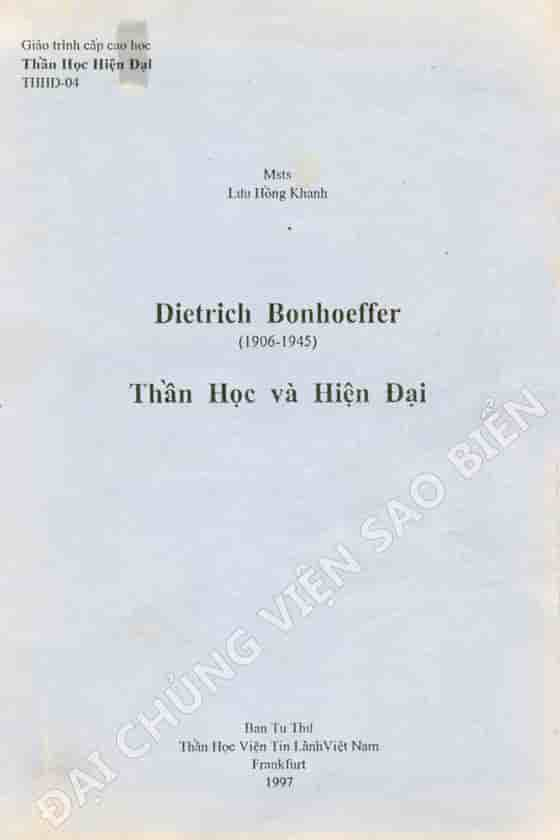 Tác giả: Dietrich Bonhoeffer
 -
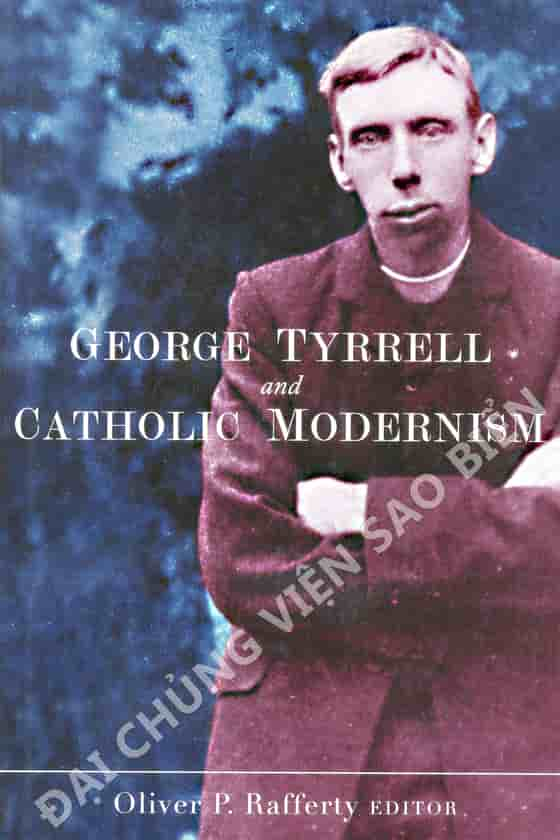
-
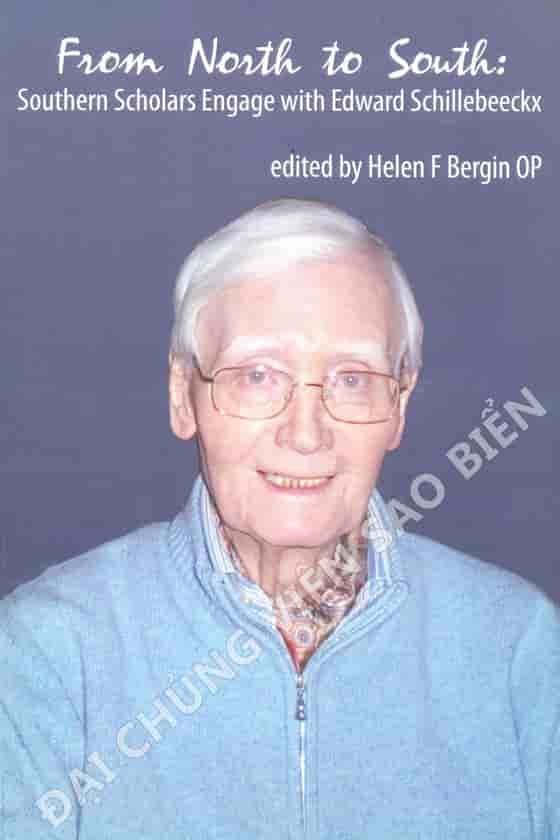 Tác giả: Helen F Bergin
 -
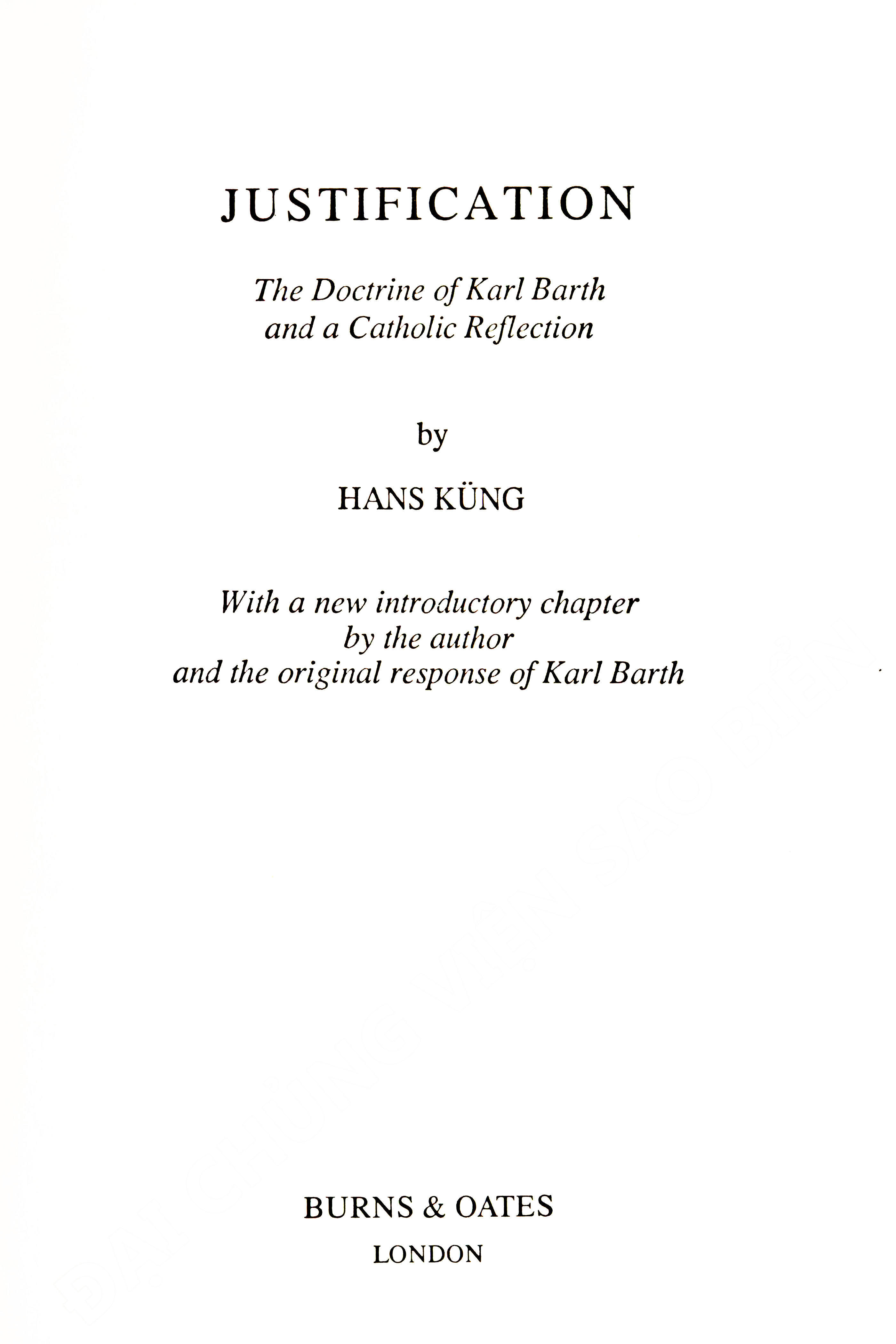 Tác giả: Hans Kung
 -

-
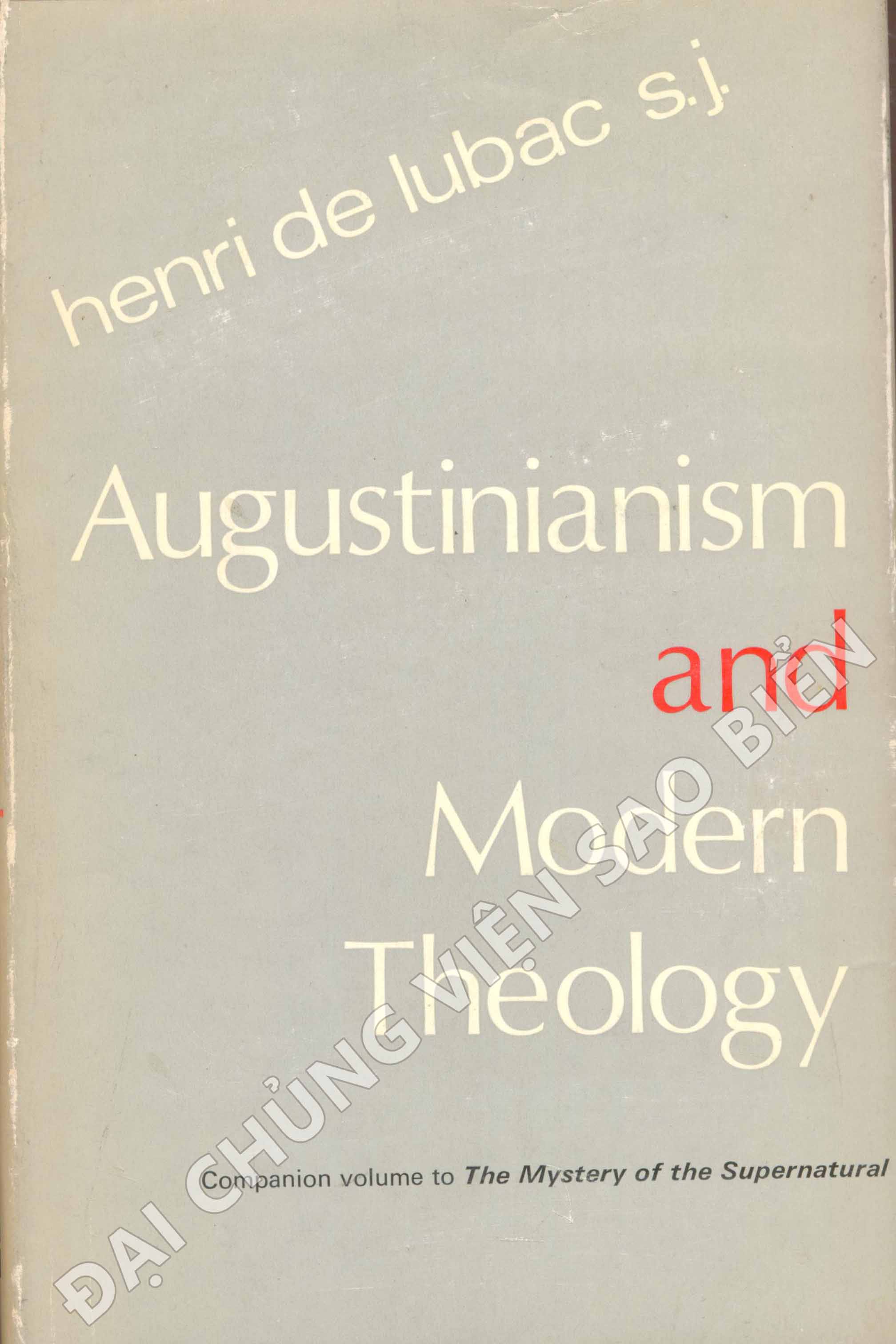
-
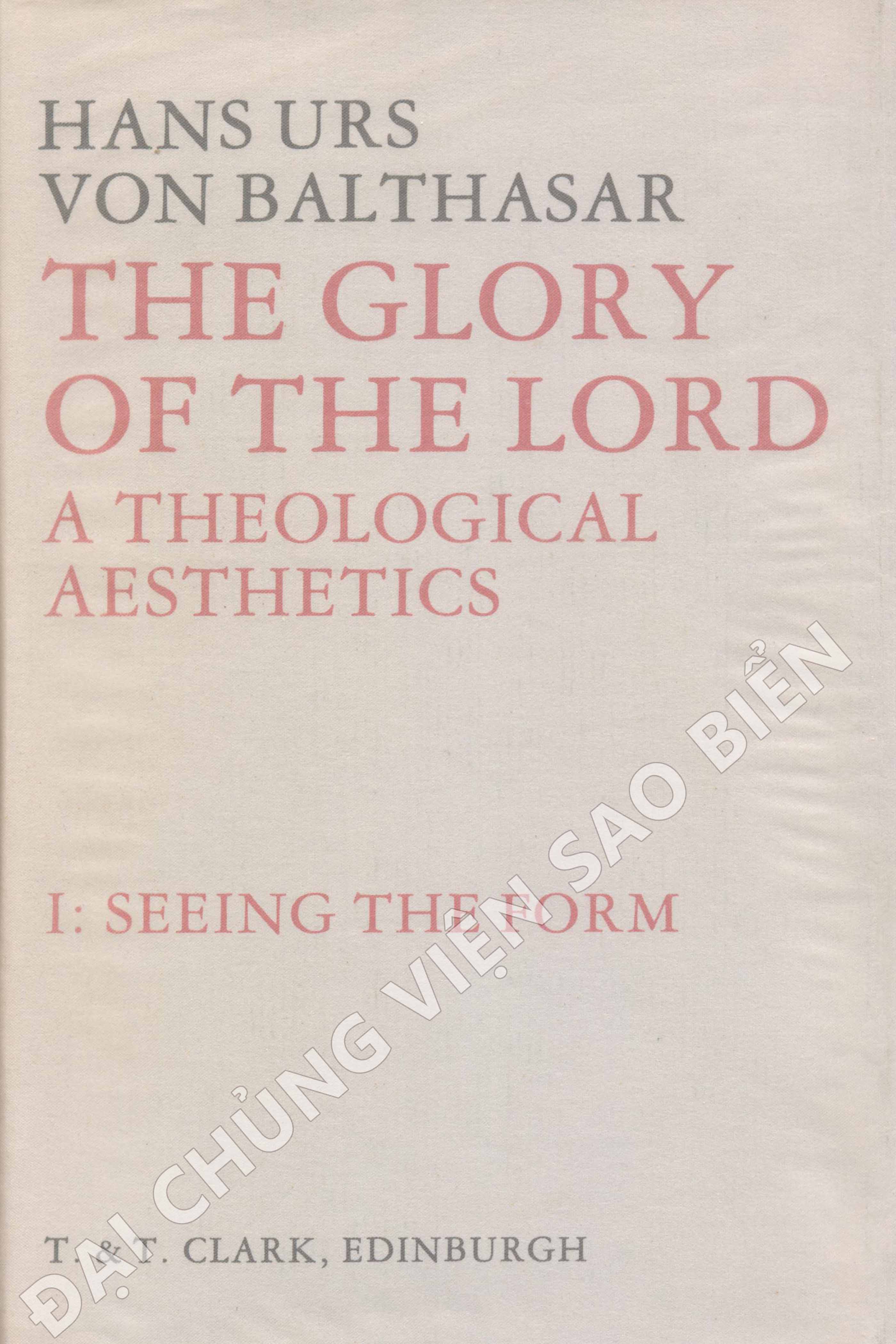
-
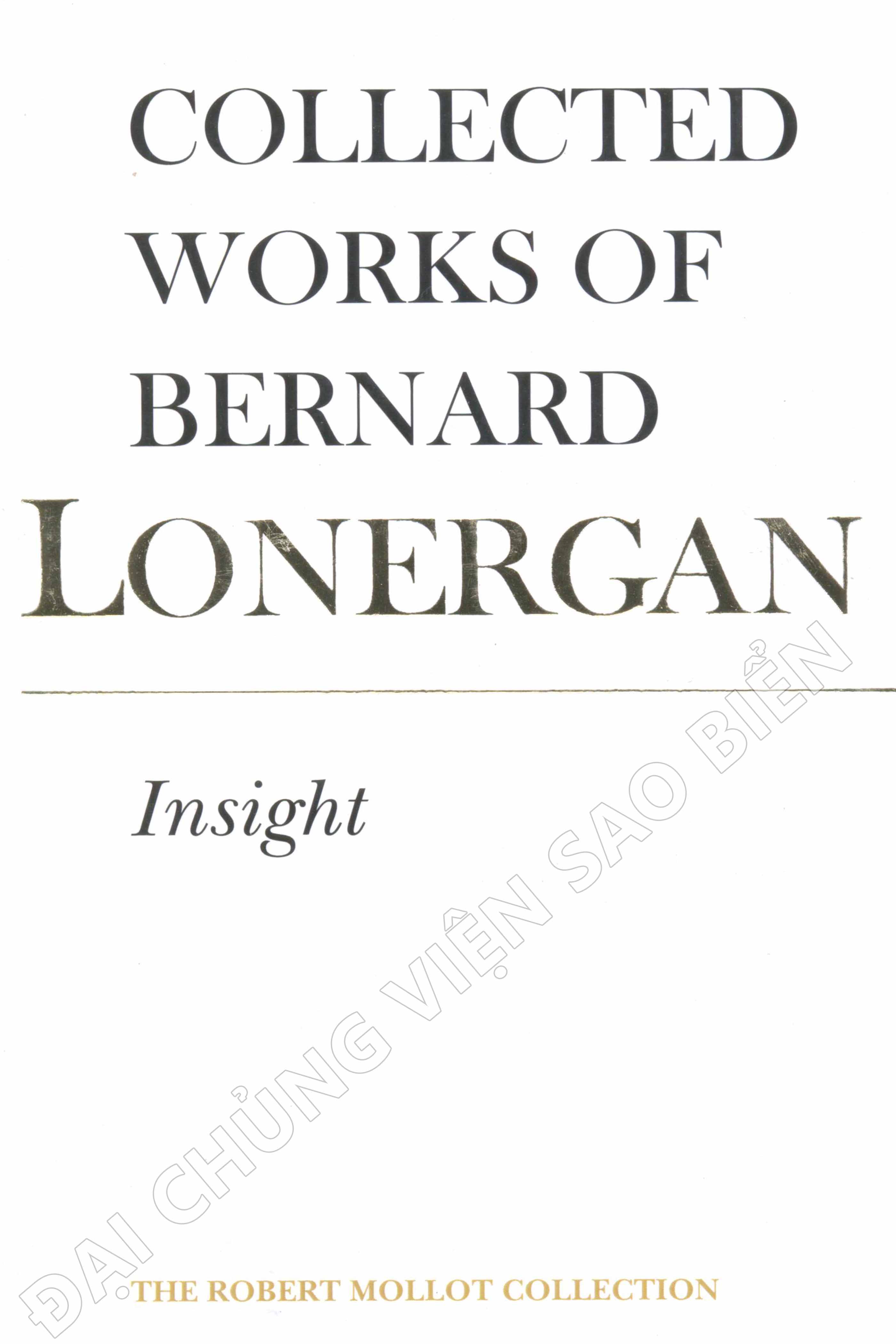
-
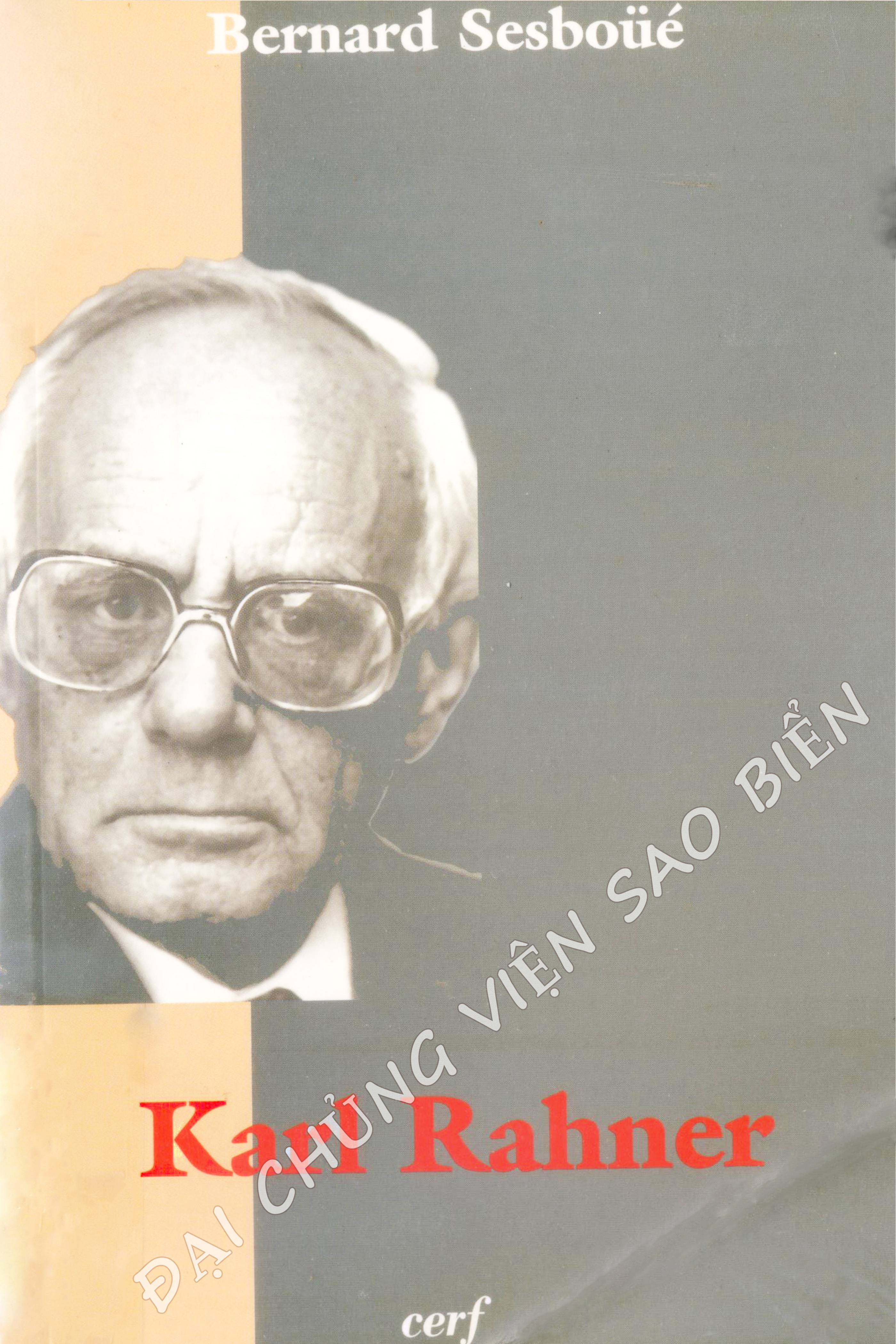 Tác giả: Bernard Sesboüé, S.J.
 -
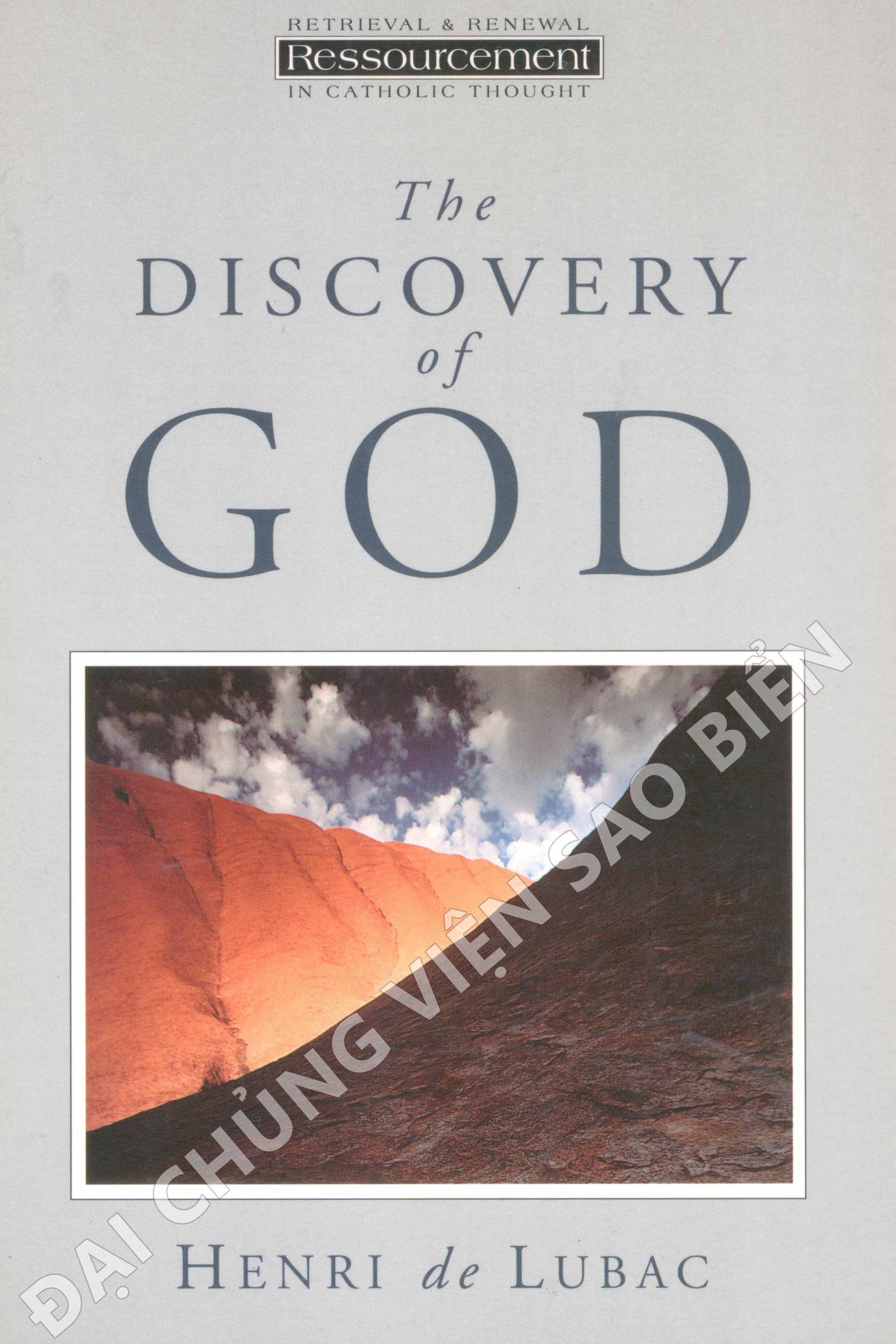 Tác giả: Henri de Lubac, S.J
 -
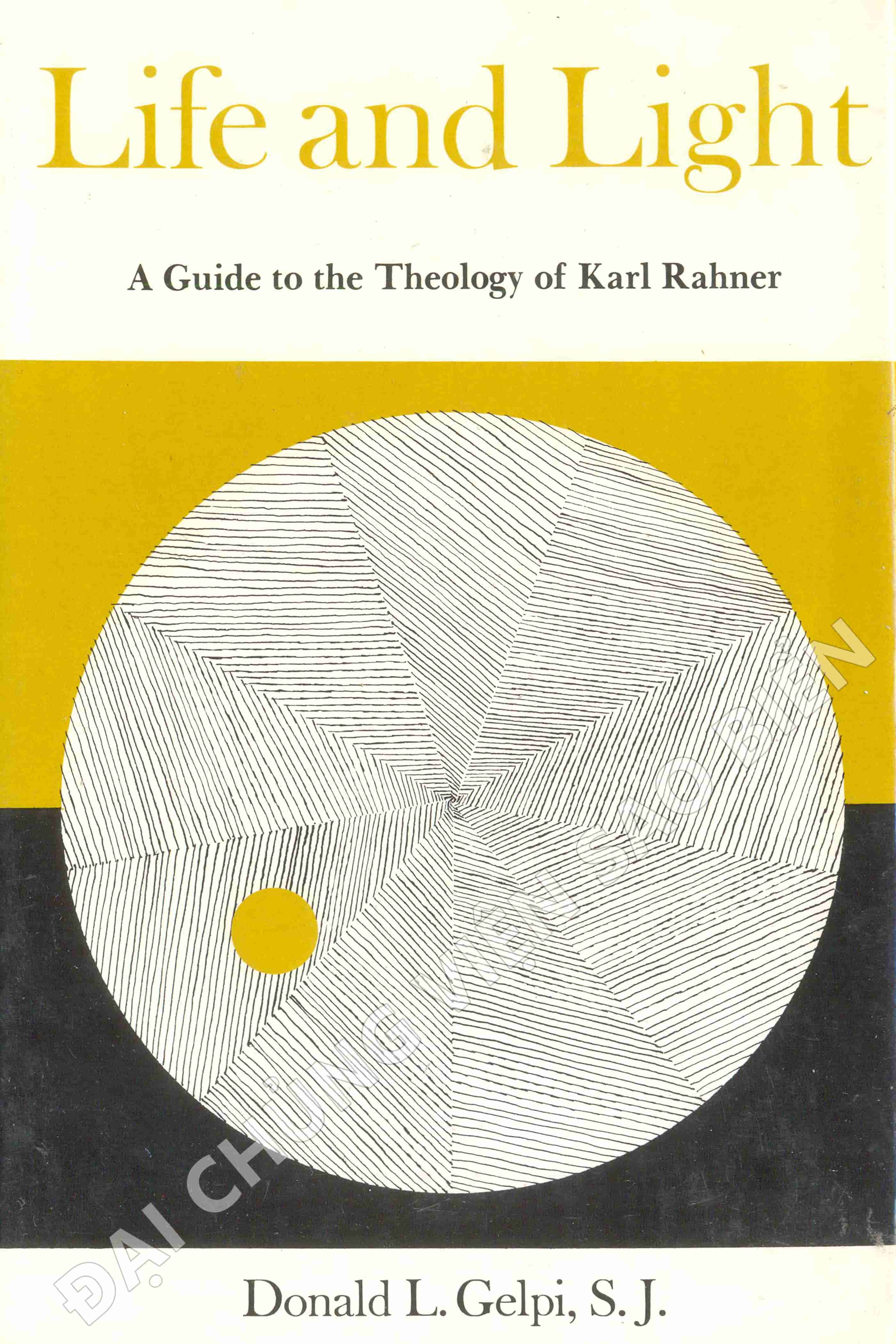 Tác giả: Donald L. Gelpi
 -
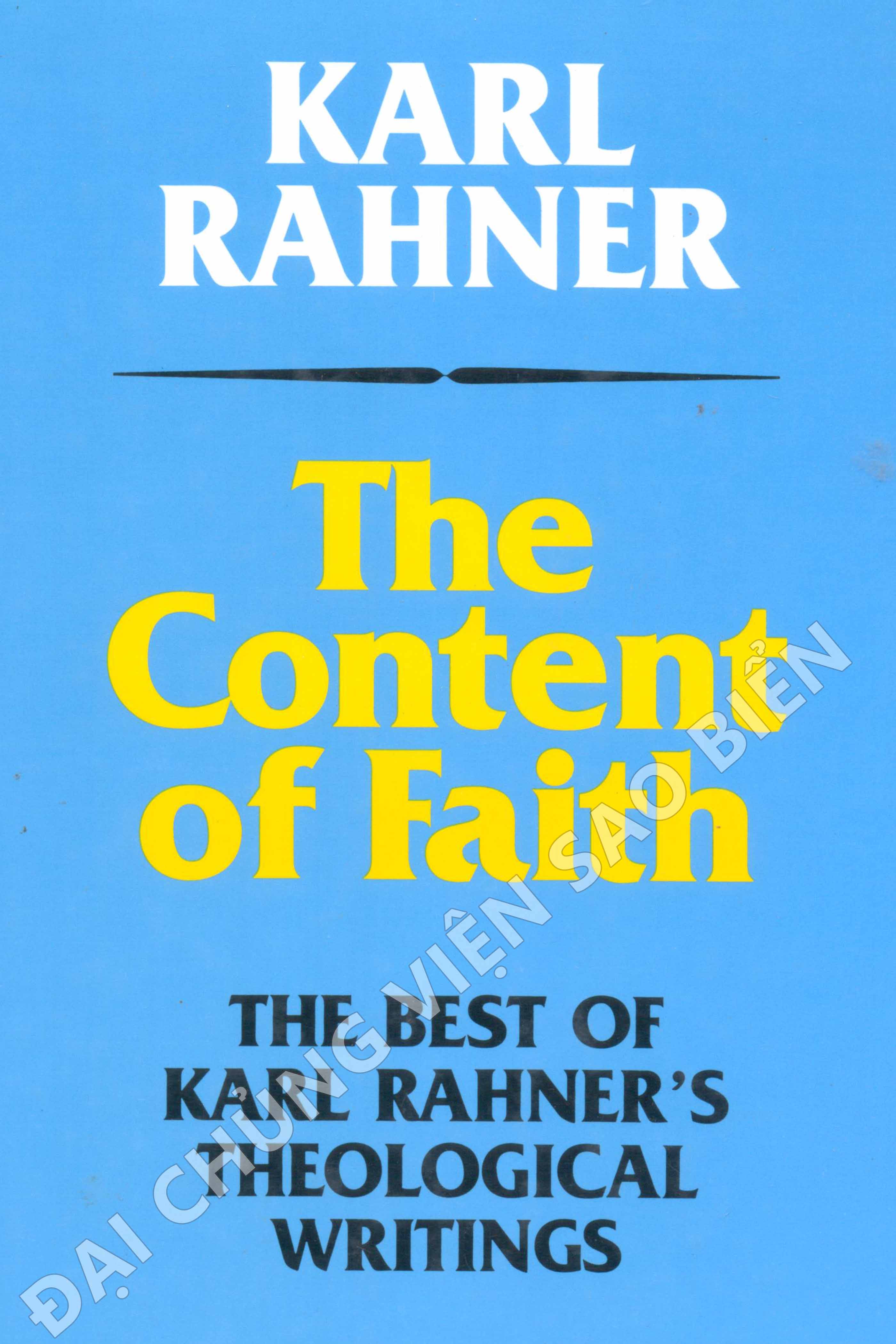 Tác giả: Karl Rahner
 -
 Tác giả: Sabine Dramm
 -

-
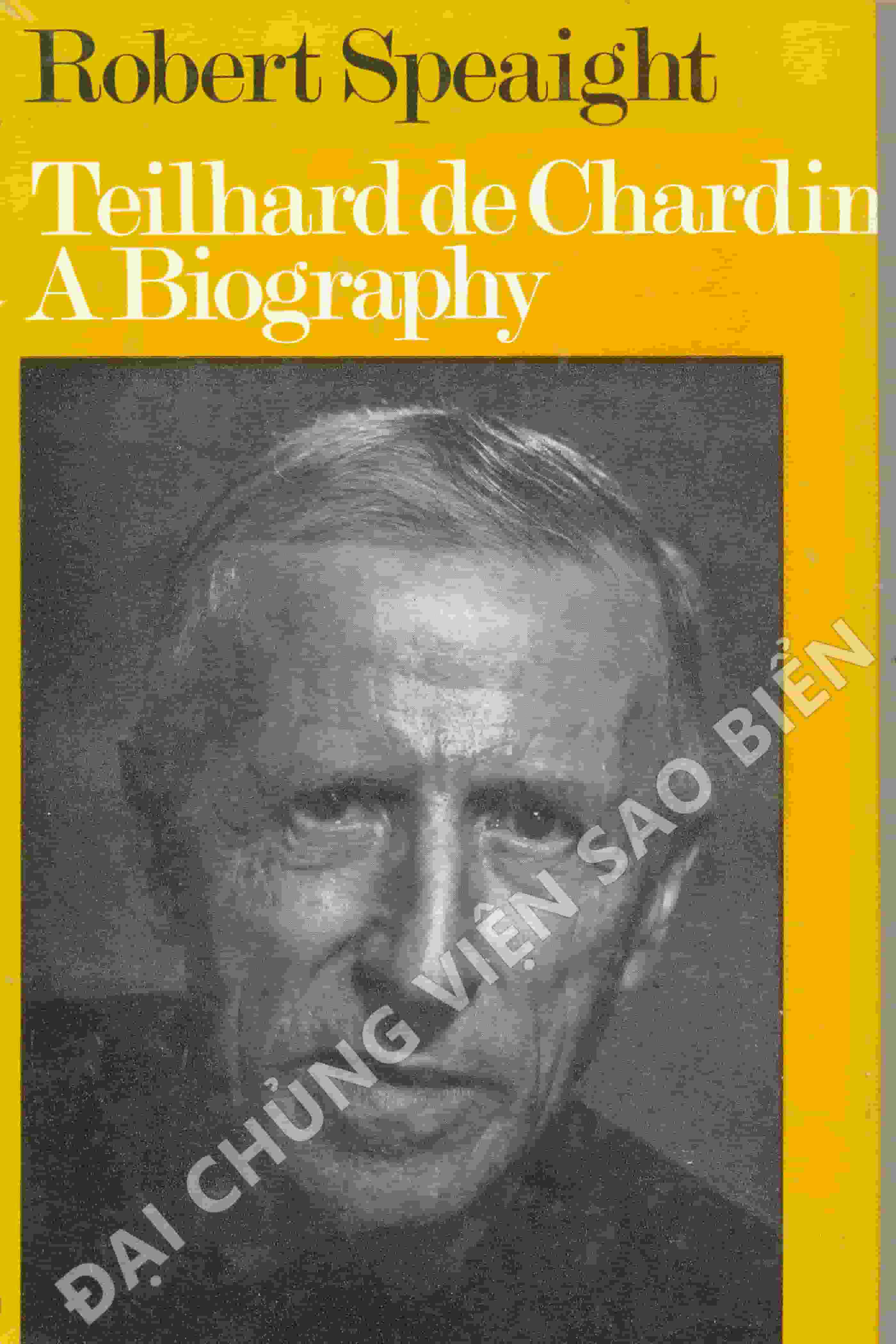 Tác giả: Robert Speaight
 -
 Tác giả: Mary & Ellen Lukas
 -
 Tác giả: Leo O'Donovan
 -
-
 Tác giả: Augustine