| INTRODUCTION |
|
|
|
|
|
|
|
p. v |
| TRANSLATOR'S PREFACE |
|
|
|
|
|
|
p. xxiv |
| NOTE ON THE REVISION |
|
|
|
|
|
|
|
p. xxv |
| |
BOOK I. THE GOOD FOR MAN |
|
|
|
|
|
| Subject of our inquiry |
|
|
|
|
|
|
|
p. 1 |
| 1. All human activities aim at some good: some goods subordinate to others. |
|
|
| 2. The science of the good for man is politics. |
|
|
|
|
|
|
| Nature of the science |
|
|
|
|
|
|
|
p. 2 |
| 3. We must not expect more precision than the subject-matter admits of. |
|
|
|
| The student should have reached years of discretion. |
|
|
|
|
|
| What is the good for man? |
|
|
|
|
|
|
p. 4 |
| 4. It is generally agreed to be happiness, but there are various views as to |
|
|
|
| what happiness is. What is required at the start is an unreasoned conviction |
|
|
|
| about the facts, such as is produced by a good upbringing. |
|
|
|
|
| 5. Discussion of the popular views that the good is pleasure, honour, wealth; |
|
|
| a fourth kind of life, that of contemplation, deferred for future discussion. |
|
|
|
| 6. Discussion of the phikisiohical view that there is an Idea of good. |
|
|
|
| 7. The good must be something final and self-sufficient. Definition of |
|
|
|
| happiness reached by considering the characteristic function of man. |
|
|
|
| 8. Our definition is confirmed by current beliefs about happiness. |
|
|
|
| 9. Is happiness acquired by learning of habituation, or sent by God or by |
|
|
|
| chance? |
|
|
|
|
|
|
|
|
|
|
| 10. Should no man be called happy while he lives? |
|
|
|
|
|
| 11. Do the fortunes of the living affect the dead? |
|
|
|
|
|
| 12. Virtue is praiseworthy, but happiness is above praise. |
|
|
|
|
| Kinds of virtue |
|
|
|
|
|
|
|
|
p. 24 |
| 13. Division of the faculties, and resultant division of virtue into intellectual |
|
|
| and moral. |
|
|
|
|
|
|
|
|
|
| |
BOOK II. MORAL VIRTUE |
|
|
|
|
|
| Moral virtue, how produced, in what medium and in what manner exhibited |
|
p. 28 |
| 1. It, like the arts, is acquired by repetition of the corresponding acts. |
|
|
|
| 2. These acts cannot be prescribed exactly, but must avoid excess and |
|
|
|
| defect. |
|
|
|
|
|
|
|
|
|
|
| 3. Pleasure in doing virtuous acts is a sign that the virtuous disposition has |
|
|
|
| been acquired: a variety of considerations show the essential connexion of |
|
|
|
| moral virtue with pleasure and pain. |
|
|
|
|
|
|
|
| 4. The actions that produce moral virtue are not good in the same sense as |
|
|
|
| those that flow from it: the latter must fulfil certain conditions not necessary |
|
|
| in the case of the arts. |
|
|
|
|
|
|
|
|
| Definition of moral virtue |
|
|
|
|
|
|
|
p. 35 |
| 5. Its genus: it is a state of character, not a passion, nor a faculty |
|
|
|
|
| 6. Its differentia: it is a disposition to choose the mean. |
|
|
|
|
|
| 7. This proposition illustrated by reference to the particular virtues. |
|
|
|
| Characteristics of the extreme and mean states: practical corollaries |
|
|
p. 43 |
| 8. The extremes are opposed to each other and to the mean. |
|
|
|
|
| 9. The mean is hard to attain, and is grasped by perception, not by reasoning. |
|
|
| |
|
BOOK III. MORAL VIRTUE (cont.) |
|
|
|
|
|
| Inner side of moral virtue: conditions of responsibility for action |
|
|
p. 48 |
| 1. Praise and blame attach to voluntary actions, i.e.actions done (1) not under |
|
|
| compulsion, and (2) with knowledge of the circumstances. |
|
|
|
|
| 2. Moral virtue implies that the action is done (3) by choice: the object of choice |
|
|
| is the result of previous deliberation. |
|
|
|
|
|
|
| 3. The nature of deliberation and its objects: choice is deliberate desire of things in |
|
|
| our own power. |
|
|
|
|
|
|
|
|
|
| 4. The object of rational wish is the end, i.e. the good or the apparent good. |
|
|
| 5. We are responsible for bad as well as for good actions. |
|
|
|
|
| Courage |
|
|
|
|
|
|
|
|
p. 63 |
| 6. Courage concerned with the feelings of fear and confidence-strictly speaking, |
|
|
| with the fear of death in battle. |
|
|
|
|
|
|
|
| 7. The motive od courage is the sense of honour : characteristics of the opposite |
|
|
| vices, cowardice and rashness. |
|
|
|
|
|
|
|
| 8.Five kinds of courage improperly so called. |
|
|
|
|
|
|
| 9. Relation of courage to pain and pleasure. |
|
|
|
|
|
|
| Temperance |
|
|
|
|
|
|
|
|
p. 72 |
| 10. Temperance is limited to certain pleasures of touch. |
|
|
|
|
| 11. Characteristics of temperance and its opposites, self-indulgence and 'insensibility'. |
|
| 12. Self-indulgence more voluntary than cowardice : comparison of the self-indulgence man |
|
| to the spoilt child. |
|
|
|
|
|
|
|
|
| |
|
BOOK IV. MORAL VIRTUE (cont.) |
|
|
|
|
|
| Virtues concerned with money |
|
|
|
|
|
|
p. 79 |
| 1. Liberality. |
|
|
|
|
|
|
|
|
|
| 2. Magnificence. |
|
|
|
|
|
|
|
|
|
| Virtues concerned with honour |
|
|
|
|
|
|
p. 89 |
| 3. Pride. |
|
|
|
|
|
|
|
|
|
| 4. The virtue intermediate between ambition and un-ambitiousness. |
|
|
|
| The virtue concerned with anger |
|
|
|
|
|
|
p. 96 |
| 5. Good temper. |
|
|
|
|
|
|
|
|
|
| Virtues of social intercourse |
|
|
|
|
|
|
p. 98 |
| 6. Friendliness. |
|
|
|
|
|
|
|
|
|
| 7. Truthfulness. |
|
|
|
|
|
|
|
|
|
| 8. Ready wit. |
|
|
|
|
|
|
|
|
|
| A quasi-virtue |
|
|
|
|
|
|
|
|
p. 104 |
| 9. Shame. |
|
|
|
|
|
|
|
|
|
| |
|
BOOK V. MORAL VIRTUE (cont.) |
|
|
|
|
|
| Justice: Its sphere and outer nature: in what sense it is a mean |
|
|
p. 106 |
| 1. The just as the lawful (universal justice) and the just as the fair and equal |
|
|
| (particular justice) : the former considered. |
|
|
|
|
|
|
| 2. The latter considered: divided into distributive and rectificatory justice. |
|
|
|
| 3. Distributive justice, in accordance with geometrical proportion. |
|
|
|
| 4. Rectificatory justice, in accordance with arithmetical progression. |
|
|
|
| 5. Justice in exchange, reciprocity in accordance with proportion. |
|
|
|
| 6. Political justice and analogous kinds of justice. |
|
|
|
|
|
| 7. Natural and legal justice. |
|
|
|
|
|
|
|
|
| Justice: Its inner nature as involving choice |
|
|
|
|
|
p. 125 |
| 8. The scale of degrees of wrongdoing. |
|
|
|
|
|
|
| 9. Can a man be voluntarily treated unjustly? Is it the distributor or the recipient that is guilty |
|
| of injustice in distribution? Justice not so easy as it might seem, because it is not a way of |
|
| acting but an inner dis-position. |
|
|
|
|
|
|
|
| 10. Equity, a corrective of legal justice. |
|
|
|
|
|
|
| 11. Can a man treat himself unjustly? |
|
|
|
|
|
|
| |
|
BOOK VI. INTELLECTUAL VIRTUE |
|
|
|
|
| Introduction |
|
|
|
|
|
|
|
|
p. 137 |
| 1. Reasons for studying intellectual virtue : intellect divided into the contemplative and the |
|
| calculative. |
|
|
|
|
|
|
|
|
|
| 2. The object of the former is truth, that of the latter truth corresponding with right desire. |
|
| The chief intellectual virtues |
|
|
|
|
|
|
p. 140 |
| 3. Science-demonstrative knowledge of the necessary and eternal. |
|
|
|
| 4. Art-knowledge of how to make things. |
|
|
|
|
|
|
| 5. Practical wisdom-knowledge of how to secure the ends of humanlife. |
|
|
|
| 6. Intuitive reason-knowledge of the principles from which science proceeds. |
|
|
| 7. Philosophic wisdom-the union of intuitive reason and science. |
|
|
|
|
| 8. Relations between practical wisdom and political science. |
|
|
|
|
| Minor intellectual virtues concerned with conduct |
|
|
|
|
p. 149 |
| 9. Goodness in deliberation, how related to practical wisdom. |
|
|
|
|
| 10. Understanding-the critical quality answering to the imperative quality practical wisdom. |
|
| 11. Judgement-right discrimination of the equitable: the place of intuition in morals. |
|
| Relation of philosophic to practical wisdom |
|
|
|
|
|
p. 154 |
| 12. What is the use of philosophic and of practical wisdom? Philosophic wisdom is the |
|
| formal cause of happiness; practical wisdom is what ensures the taking of proper means to |
|
| the proper ends desired by moral virtue. |
|
|
|
|
|
|
| 13. Relation of practical wisdom to natural virtue, moral virtue, and the right rule. |
|
|
| |
|
BOOK VII. CONTINENCE AND INCONTINENCE: PLEASURE |
|
|
| Continence and incontenence |
|
|
|
|
|
|
p. 159 |
| 1. Six varieties of character : method of treatment: current opinions. |
|
|
|
| 2. Contradictions involved in these opinions. |
|
|
|
|
|
|
| 3. Solution of the problem, how the incontinent man's knowledge is impared. |
|
|
| 4. Solution of the problem, what is the sphere of incontinence: its proper and its extended |
|
| sense distinguished. |
|
|
|
|
|
|
|
|
| 5. Incontinence in its extended sense includes a brutish and a morbid form. |
|
|
| 6. Incontinencein respect od anger is less disgraceful than incontinence proper. |
|
|
| 7. Softness and endurance: two forms of incontinence-weakness and impetuosity. |
|
|
| 8. Self-indulgence worse than incontinence. |
|
|
|
|
|
|
| 9. Relation of continence to obstinacy, incontinence, 'insensibility', temperance. |
|
|
| 10. Practical wisdom is not compatible with incontinence, but cleverness is. |
|
|
| Pleasure |
|
|
|
|
|
|
|
|
p. 183 |
| 11. Three views hostile to pleasure, and the arguments for them. |
|
|
|
|
| 12. Discussion of the view that pleasure is not a good. |
|
|
|
|
|
| 13. Discussion of the view that pleasure is not the chief good. |
|
|
|
|
| 14. Discussion of the view that most pleasures are bad, and of the tendency to identify bodily |
|
| pleasures with pleasure in general. |
|
|
|
|
|
|
|
| |
|
BOOK VIII. FRIENDSHIP |
|
|
|
|
|
|
| Kinds of friendship |
|
|
|
|
|
|
|
p. 192 |
| 1. Friendship both necessary and noble : main questions about it. |
|
|
|
|
| 2. Three objects of love : implications of friendship. |
|
|
|
|
|
| 3. Three corresponding kinds of friendship : superiority of friendship whose motive is the |
|
| good. |
|
|
|
|
|
|
|
|
|
|
| 4. Contrast between the best and the inferior kinds. |
|
|
|
|
|
| 5. The state of friendship distinguished from the activity of friendship and from the feeling of |
| friendliness. |
|
|
|
|
|
|
|
|
|
| 6. Various relations between the three kinds. |
|
|
|
|
|
|
| Reciprocity of friendship |
|
|
|
|
|
|
|
p. 203 |
| 7. In unequal friendships a proportion must be maintained. |
|
|
|
|
| 8. Loving is more of the essence of friendship than being loved. |
|
|
|
|
| Relation of reciprocity in friendship to that involved in other forms of community |
p. 207 |
| 9. Parallelism of friendship and justice: the state comprehends all lesser communities. |
|
| 10. Classification of constitutions: analogies with family relations. |
|
|
|
| 11. Corresponding forms of friendship, and of justice. |
|
|
|
|
|
| 12. Various forms of friendship between relations. |
|
|
|
|
|
| Casuistry of friendship |
|
|
|
|
|
|
|
p. 215 |
| 13. Principles to be observed (a)in friendship between equals. |
|
|
|
|
| 14. Principles to be observed (b)in friendship between unequals. |
|
|
|
| |
|
BOOK IX. FRIENDSHIP (cont.) |
|
|
|
|
p. 220 |
| 1. Principles to be observed (c) where the motives on the two sides are different. |
|
|
| 2. Conflict of obligations. |
|
|
|
|
|
|
|
|
| 3. Occasions of breaking off friendship. |
|
|
|
|
|
|
| Internal nature of friendship |
|
|
|
|
|
|
p. 227 |
| 4. Friendship is based on self-love. |
|
|
|
|
|
|
|
| 5. Relation of friendship to goodwill. |
|
|
|
|
|
|
| 6. Relation of friendship to unanimity. |
|
|
|
|
|
|
| 7. The pleasure of beneficence. |
|
|
|
|
|
|
|
| 8. The nature of true self-love. |
|
|
|
|
|
|
|
| The need of friendship |
|
|
|
|
|
|
|
p. 238 |
| 9. Why does the happy man need friends? |
|
|
|
|
|
|
| 10. The limit to the number of friends. |
|
|
|
|
|
|
| 11. Are friends more needed in good or in bad fortune? |
|
|
|
|
|
| 12. The essence of friendship is living together. |
|
|
|
|
|
| |
|
BOOK X. PLEASURE, HAPPINESS |
|
|
|
|
| Pleasure |
|
|
|
|
|
|
|
|
p. 248 |
| 1. Two opposed views about pleasure. |
|
|
|
|
|
|
| 2. Discussion of the view that pleasure is the good. |
|
|
|
|
|
| 3. Discussion of the view that pleasure is wholly bad. |
|
|
|
|
|
| 4. Definition of pleasure. |
|
|
|
|
|
|
|
|
| 5. Pleasures differ with the activities which thay accompany and complete: criterion of the |
|
| value of pleasures. |
|
|
|
|
|
|
|
|
| Happiness |
|
|
|
|
|
|
|
|
p. 261 |
| 6. Happiness is good activity, not amusement. |
|
|
|
|
|
|
| 7. Happiness in the highest sense is the contemplative life. |
|
|
|
|
| 8. Superiority of the contemplative life further considered. |
|
|
|
|
| 9. Legislation is needed if the end is to be attained : transition to Politics. |
|
|
|
| INDEX |
|
|
|
|
|
|
|
|
|
p. 277 |




 Tác giả: Jonathan Haidt
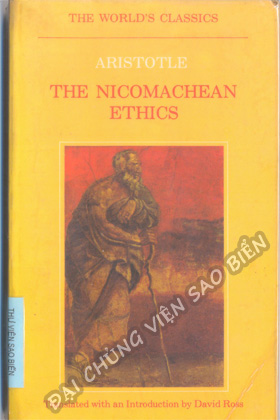
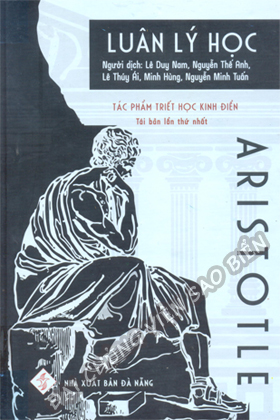 Tác giả: Aristotle
 Tác giả: François Jullien
 Tác giả: Immanuel Kant
 Tác giả: Paul Ricoeur
 Tác giả: Émile Chartier
 Tác giả: Étienne Borne


 Tác giả: William B. Irvine
 Tác giả: Vô Danh
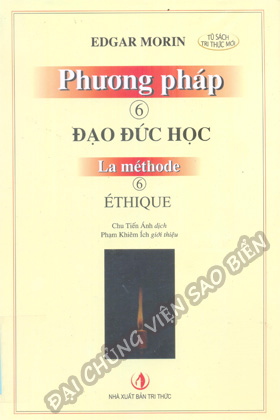 Tác giả: Edgar Morin
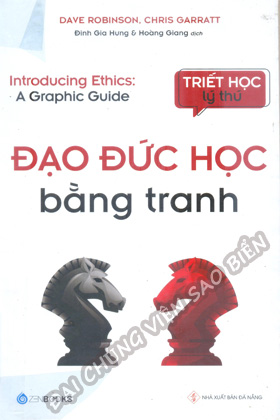 Tác giả: Dave Robinson
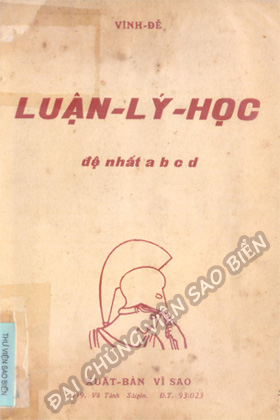 Tác giả: Vĩnh Đễ



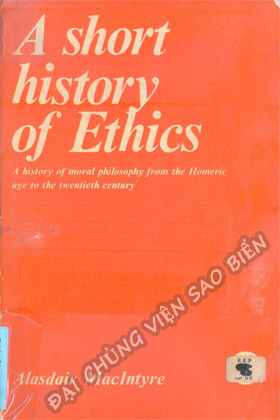
 Tác giả: Marcus Weeks
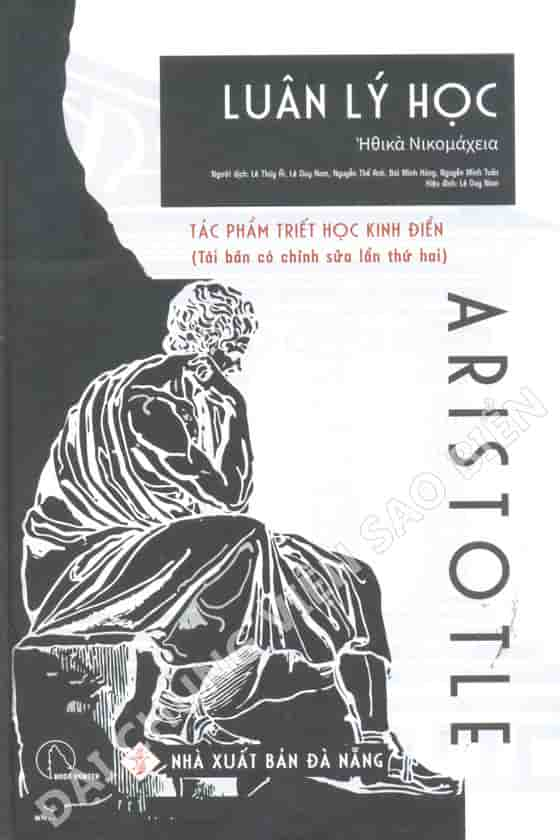 Tác giả: Aristotle
 Tác giả: Baruch Spinoza
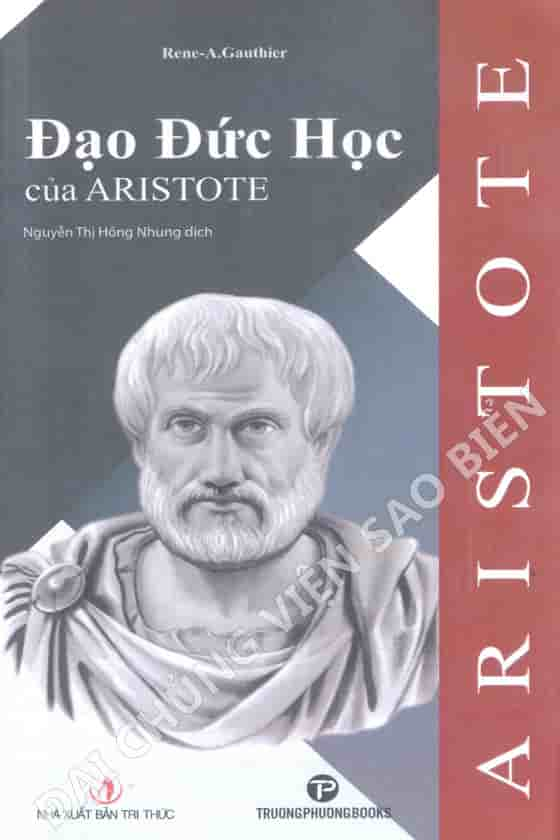 Tác giả: Rene-A.Gauthier

 Tác giả: Vũ Tình
 Tác giả: Michael J. Sandel
 Tác giả: Dick Westley
 Tác giả: Bernard Haring
 Tác giả: Julia Annas
 Tác giả: James Rachels
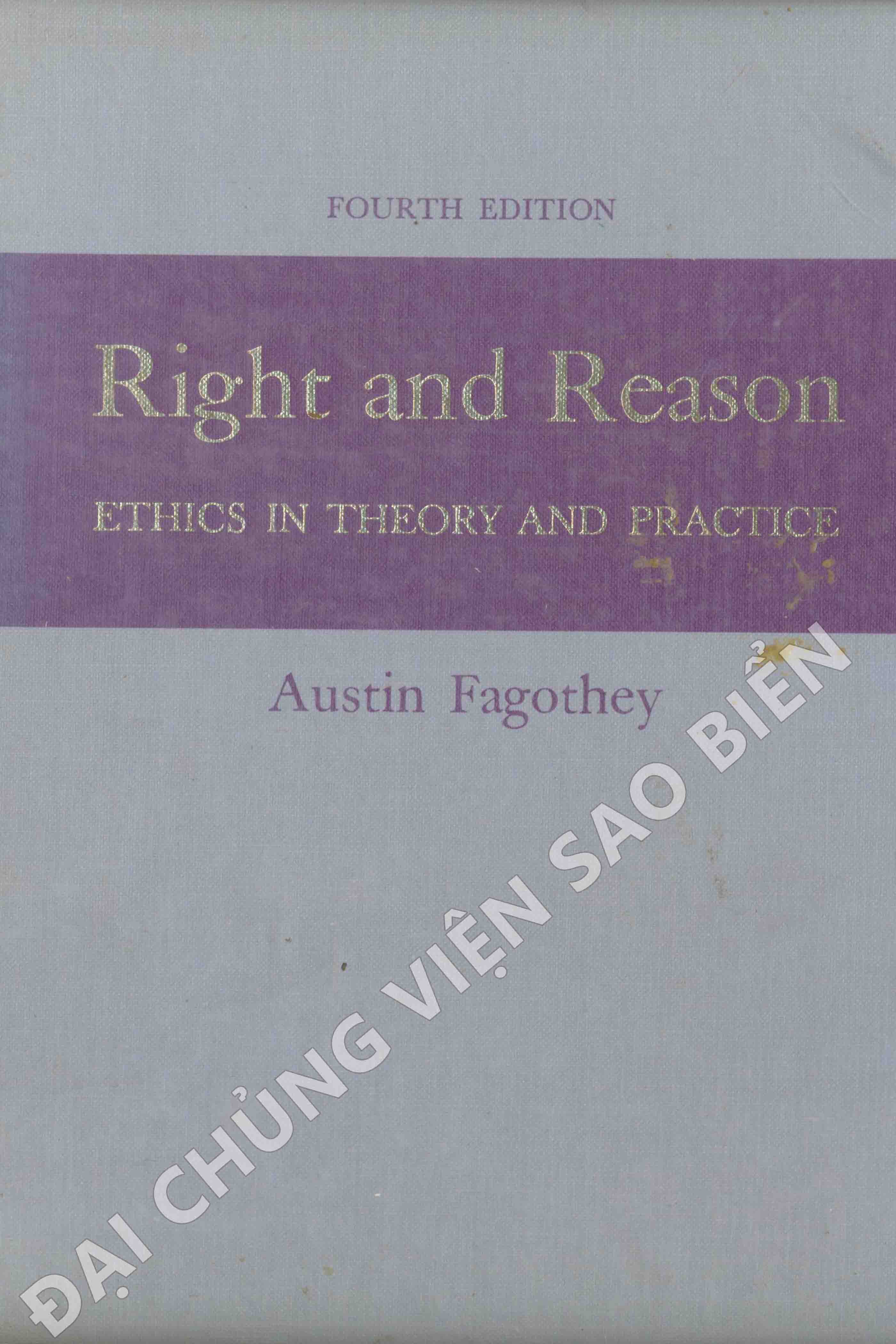 Tác giả: Austin Fagothey

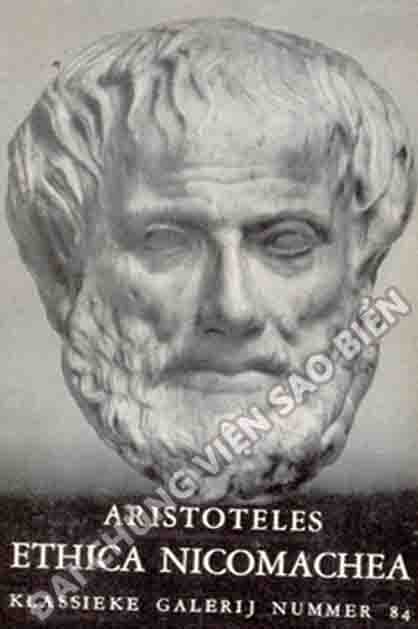 Tác giả: Aristotle
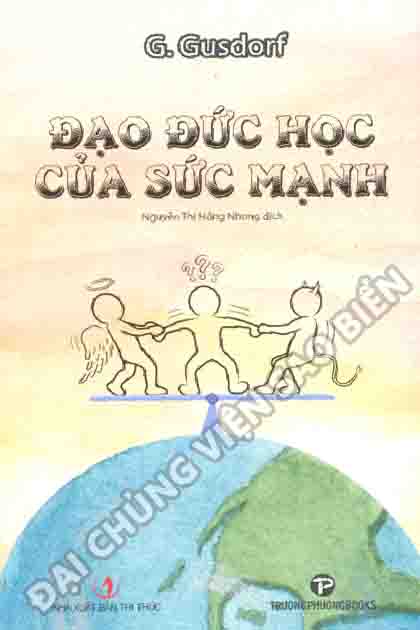 Tác giả: Georges Gusdorf
 Tác giả: Adam Smith