| Ethics Inventing Right And Wrong | |
| Tác giả: | J. L. Mackie |
| Ký hiệu tác giả: |
JL-M |
| DDC: | 170 - Đạo đức học |
| Ngôn ngữ: | Anh |
| Số cuốn: | 1 |
Hiện trạng các bản sách
|
||||||||||||||||
| Contents | |
| Preface 9 | |
| PART ONE: THE STATUS OF ETHICS | |
| 1 The Subjectivity of Values | |
| 1 Moral scepticism | 15 |
| 2 Subjectivism | 17 |
| 3 The multiplicity of second order questions | 19 |
| 4 Is objectivity a real issue? | 20 |
| 5 Standards of evaluation | 25 |
| 6 Hypothetical and categorical imperatives | 27 |
| 7 The claim to objectivity | 30 |
| 8 The argument from relativity | 36 |
| 9 The argument from queerness | 38 |
| 10 Patterns of objectification | 42 |
| 11 The general goal of human life | 46 |
| 12 Conclusion | 48 |
| 2 The Meaning of 'Good' | |
| 1 The general meaning of 'good' | 50 |
| 2 'Good' in moral contexts | 59 |
| 3 Obligations and Reasons | |
| 1 'Is' and 'ought' | 64 |
| 2 The meaning of 'ought' | 73 |
| 3 Varieties of reason | 77 |
| 4 Institutions | 80 |
| 4 Universalization | |
| 1 The first stage of universalization: the irrelevance of mumerical differences | 83 |
| 2 The second stage of universalization: putting oneself in the other person's place | 90 |
| 3 The third stage of universalization: taking account of different tastes and rival ideals | 92 |
| 4 Subjective elements in universalization | 97 |
| PART TWO: THE CONTENT OF ETHICS | |
| 5 The Object of Morality | |
| 1 Consequences of moral scepticism | 105 |
| 2. A device for counteracting limited sympathies | 107 |
| 3 The form of the device | 111 |
| 4 Game theory analysis | 115 |
| 5 The content of the device: conservatism or reform? | 120 |
| 6 Utilitarianism | |
| 1 Act utilitarianism | 125 |
| 2 The ethics of fantasy | 129 |
| 3 Morality in the narrow sense | 134 |
| 4 Rule utilitarianism | 136 |
| 5 The proof of utility | 140 |
| 6 Utility as desire-satisfaction | 145 |
| 7 The malleability of morality | 146 |
| 7 Consequentialism and Deontology | |
| 1 Conceptions of the good | 149 |
| 2. The rationale of universalization | 151 |
| 3 The need for secondary principles | 154 |
| 4 Special relationships and the form of moral principles | 157 |
| 5 Ends and means | 159 |
| 6 Absolutism and the principle of double effect | 160 |
| 8 Elements of a Practical Morality | |
| 1 The good for man | 169 |
| 2 Egoism, rights, and property | 172 |
| 3 Liberty | 180 |
| 4 Truth-telling, lies, and agreements | 182 |
| 5 How princes should keep faith | 184 |
| 6 Virtue | 186 |
| 7 The motive for morality | 189 |
| 8 Extensions of morality | 193 |
| 9 The right to life | 195 |
| 10 Conclusion | 199 |
| PART THREE: FRONTIERS OF ETHICS | |
| 9 Determinism, Responsibility, and Choice | |
| 1 Voluntary or intentional actions | 203 |
| 2 The straight rule of responsibility | 208 |
| 3 Causal determinism and human action | 215 |
| 4 Hard and soft determinism | 220 |
| 10 Religion, Law, and Politics | |
| 1 The theological frontier of ethics | 227 |
| 2 Contacts and overlaps between morality and law | 232 |
| 3 Political applications and extensions of morality | 235 |
| Notes and References | 241 |
| Index | 247 |


Các tác phẩm cùng thể loại
-
-
 Tác giả: Jonathan Haidt
 -
 Tác giả: Aristotle
 -
 Tác giả: François Jullien
 -
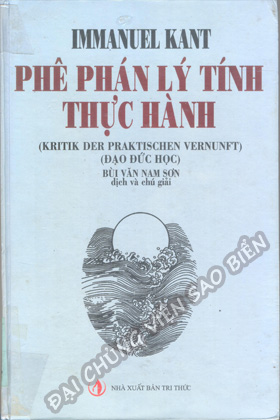 Tác giả: Immanuel Kant
 -
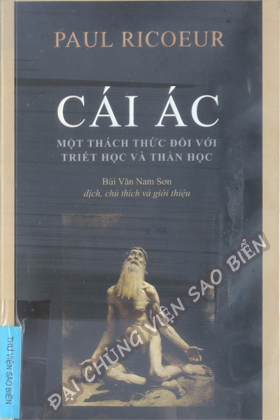 Tác giả: Paul Ricoeur
 -
 Tác giả: Émile Chartier
 -
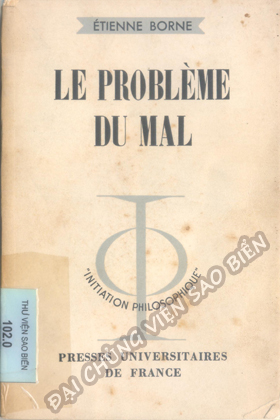 Tác giả: Étienne Borne
 -
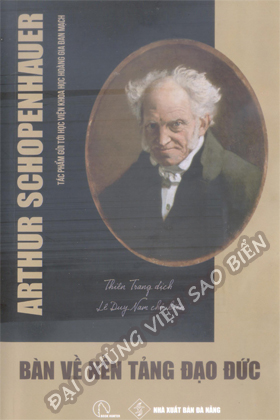
-
-

-

-
 Tác giả: William B. Irvine
 -
 Tác giả: Vô Danh
 -
 Tác giả: Edgar Morin
 -
 Tác giả: Dave Robinson
 -

-
 Tác giả: Vĩnh Đễ
 -
-
-
-
-
-
-
-
-
-

-

-
-
 Tác giả: Aristotle
 -
-
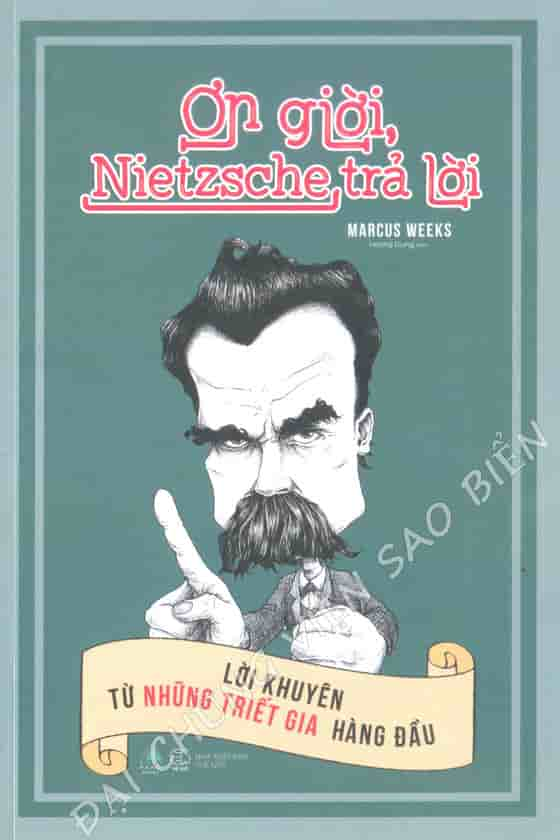 Tác giả: Marcus Weeks
 -

-
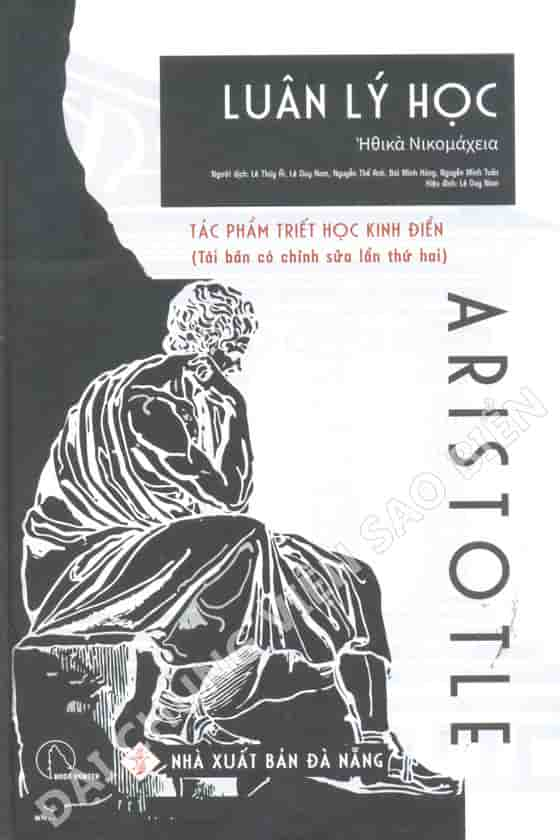 Tác giả: Aristotle
 -
 Tác giả: Baruch Spinoza
 -
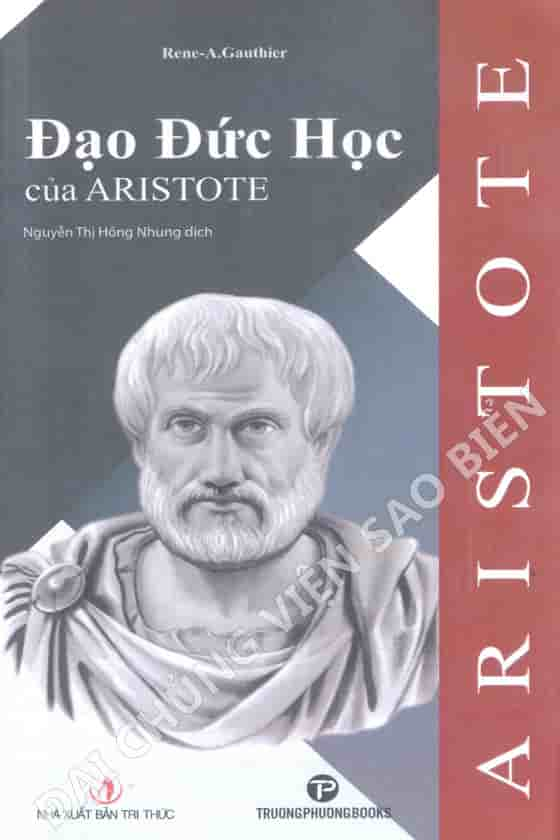 Tác giả: Rene-A.Gauthier
 -
-

-
 Tác giả: Vũ Tình
 -
 Tác giả: Michael J. Sandel
 -
 Tác giả: Dick Westley
 -
 Tác giả: Bernard Haring
 -
 Tác giả: Julia Annas
 -
 Tác giả: James Rachels
 -
 Tác giả: Austin Fagothey
 -

-
 Tác giả: Aristotle
 -

-
 Tác giả: Georges Gusdorf
 -
-
 Tác giả: Adam Smith