| Letter of Cardinal Angelo Sodano |
xvii |
| Presentation |
xxi |
| Abbreviations |
xxiii |
| Biblical Abbreviations |
xxiv |
| INTRODUCTION |
|
| AN INTEGRAL AND SOLIDARY HUMANISM |
|
| a. At the dawn of the Third Millennium |
3 |
| b. The significance of this document |
5 |
| c. At the service of the full truth about man |
9 |
| d. In the sign of solidarity, respect and love |
11 |
| PART ONE |
|
| CHAPTER ONE |
|
| GOD’S PLAN OF LOVE FOR HUMANITY |
|
| I. GOD’S LIBERATING ACTION |
|
| IN THE HISTORY OF ISRAEL |
15 |
| a. God’s gratuitous presence |
15 |
| b. The principle of creation and God’s gratuitous action |
18 |
| II. JESUS CHRIST, THE FULFILMENT |
|
| OF THE FATHER’S PLAN OF LOVE |
19 |
| a. In Jesus Christ the decisive event of the history |
|
| of God with mankind is fulfilled |
19 |
| b. The revelation of Trinitarian love |
21 |
| III. THE HUMAN PERSON IN GOD’S PLAN OF LOVE |
22 |
| a. Trinitarian love, the origin and goal of the human person |
22 |
| b. Christian salvation: for all people and the whole person .. |
24 |
| c. The disciple of Christ as a new creation |
26 |
| d. The transcendence of salvation and |
|
| the autonomy of earthly realities |
27 |
| IV. GOD’S PLAN AND THE MISSION OF THE CHURCH |
30 |
| a. The Church, sign and defender of the transcendence of the human person |
30 |
| b. The Church, the Kingdom of God and the renewal of social relations |
32 |
| c. New heavens and a new earth |
34 |
| d. Mary and her “fiat" in God’s plan of love |
35 |
| CHAPTER TWO |
|
| THE CHURCH’S MISSION |
|
| AND SOCIAL DOCTRINE |
|
| I. EVANGELIZATION AND SOCIAL DOCTRINE |
37 |
| a. The Church, God’s dwelling place with men and women |
37 |
| b. Enriching and permeating society with the Gospel. |
38 |
| c. Social doctrine, evangelization and human promotion |
41 |
| d. The rights and duties of the Church. |
42 |
| II. THE NATURE OF THE CHURCH’S SOCIAL DOCTRINE |
44 |
| a. Knowledge illuminated by faith |
44 |
| b. In friendly dialogue with all branches of knowledge |
46 |
| c. An expression of the Church’s minisưy of teaching |
48 |
| d. For a society reconciled in justice and love |
49 |
| e. A message for the sons and daughters of the Church and for humanity |
51 |
| Il f. Under the sign of continuity and renewal |
52 |
| III. THE CHURCH SOCIAL DOCTRINE IN OUR TIME: HISTORICAL NOTES |
54 |
| a. The beginning of a new path |
54 |
| b. From Rerum Novarum to our own dav |
55 |
| c. In the light and under the impulse of the Gospel |
65 |
| CHAPTER THREE |
|
| THE HUMAN PERSON AND HUMAN RIGHTS |
|
| I. SOCIAL DOCTRINE AND THE PERSONALIST PRINCIPLE |
67 |
| II. THE HUMAN PERSON AS THE “IMAGO DEI” |
69 |
| a. Creatures in the image of God |
69 |
| b. The tragedy of sin |
72 |
| c. The universality of sin and the universality of salvation |
75 |
| III. THE MANY ASPECTS OF THE HUMAN PERSON |
76 |
| A. The unity of the person |
78 |
| B. Openness to transcendence and uniqueness of the person . |
79 |
| a. Open to transcendence. |
79 |
| b. Unique and unrepeatable |
80 |
| c. Respect for human dignity |
81 |
| c. The freedom of the human person |
82 |
| a. The value and limits of freedom |
82 |
| b. The bond uniting freedom with truth and the natural law |
84 |
| D. The equal dignity of all people |
87 |
| E. The social nature of human beings |
90 |
| IV. HUMAN RIGHTS |
92 |
| a. The value of human rights |
92 |
| b. The specification of rights |
94 |
| c. Rights and duties |
95 |
| d. Rights of peoples and nations |
96 |
| e. Filling in the gap between the letter and the spirit |
97 |
| CHAPTER FOUR |
|
| PRINCIPLES OF THE CHURCH’S SOCIAL DOCTRINE |
|
| I. MEANING AND UNITY |
99 |
| II. THE PRINCIPLE OF THE COMMON GOOD |
101 |
| a. Meaning and primary implications |
101 |
| b. Responsibility of everyone for the common good |
102 |
| c. Tasks of the political community |
104 |
| III. THE UNIVERSAL DESTINATION OF GOODS |
105 |
| a. Origin and meaning |
105 |
| b. The universal destination of goods and private property |
105 |
| c. The universal destination of goods and the preferential option for the poor |
111 |
| IV. THE PRINCIPLE OF SUBSIDIARITY |
113 |
| a. Origin and meaning |
113 |
| b. Concrete indications |
115 |
| V. PARTICIPATION |
117 |
| a. Meaning and value |
117 |
| b. Participation and democracy. |
118 |
| VI. THE PRINCIPLE OF SOLIDARITY |
119 |
| a. Meaning and value |
119 |
| b. Solidarity as a social principle and a moral virtue |
120 |
| c. Solidarity and the common growth of mankind |
121 |
| d. Solidarity in the life and message of Jesus Christ |
122 |
| VII. THE FUNDAMENTAL VALUES OF SOCIAL LIFE |
123 |
| a. The relationship between principles and values |
123 |
| b. Truth |
124 |
| c. Freedom |
126 |
| d. Justice |
|
| VIII. THE WAY OF LOVE |
128 |
| PART TWO |
|
| CHAPTER FIVE |
|
| THE FAMILY, THE VITAL CELL OF SOCIETY |
|
| I. THE FAMILY, THE FIRST NATURAL SOCIETY |
133 |
| a. Importance of the family for the person |
135 |
| b. Importance of the family for society |
135 |
| II. MARRIAGE, THE FOUNDATION OF THE FAMILY |
137 |
| a. The value of marriage |
137 |
| b. The sacrament of marriage |
139 |
| III. THE SOCIAL SUBJECTIVITY OF THE FAMILY |
140 |
| a. Love and the formation of a community of persons |
140 |
| b. The family is the sanctuary of life |
147 |
| c. The task of educating |
152 |
| d. The dignity and rights of children |
156 |
| IV. THE FAMILY AS ACTIVE PARTICIPANT IN SOCIAL LIFE |
157 |
| a. Solidarity in the family |
157 |
| b. The family, economic life and work |
158 |
| V. SOCIETY AT THE SERVICE OF THE FAMILY |
161 |
| CHAPTER SIX |
|
| HUMAN WORK |
|
| I. BIBLICAL ASPECTS |
163 |
| a. The duty to cultivate and care for the earth |
163 |
| b. Jesus, a man of work |
165 |
| c. The duty to work |
167 |
| II. THE PROPHETIC VALUE OF “RERUM NOVARUM” |
169 |
| III. THE DIGNITY OF WORK |
170 |
| a. The subjective and objective dimensions of work |
170 |
| b. The relationship between labour and capital |
173 |
| c. Work, the right to participate |
176 |
| d. The relationship between labour and private property |
177 |
| e. Rest from work |
178 |
| IV. THE RIGHT TO WORK |
180 |
| a. Work is necessary |
180 |
| b. The role of the State and civil society in promoting the right to work |
182 |
| c. The family and the right to work |
183 |
| d. Women and the right to work |
184 |
| e. Child labour |
185 |
| f. Immigration and work |
185 |
| g. The world of agriculture and the right to work |
186 |
| V. THE RIGHTS OF WORKERS |
188 |
| a. The dignity of workers and the respect for their rights |
188 |
| b. The right to fair remuneration and income distribution |
189 |
| c. The right to strike |
190 |
| VI. SOLIDARITY AMONG WORKERS |
190 |
| a. The importance of unions |
190 |
| b. New forms of solidarity |
192 |
| VII. THE “NEW THINGS” OF THE WORLD OF WORK |
193 |
| a. An epoch-making phase of transition |
193 |
| b. Social doctrine and the “new things” |
196 |
| CHAPTER SEVEN |
|
| ECONOMIC LIFE |
|
| I. BIBLICAL ASPECTS |
201 |
| a. Man, poverty and riches |
201 |
| b. Wealth exists to be shared |
204 |
| II. MORALITY AND THE ECONOMY |
205 |
| III. PRIVATE INITIATIVE AND BUSINESS INITIATIVE |
209 |
| a. Business and its goals |
210 |
| b. Role of business owners and management |
213 |
| IV. ECONOMIC INSTITUTIONS AT THE SERVICE OF MAN |
214 |
| a. Role of the free market |
215 |
| b. Action of the State |
217 |
| c. Role of intermediate bodies |
220 |
| d. Savings and consumer goods |
221 |
| V. THE “NEW THINGS” IN THE ECONOMIC SECTOR |
222 |
| a. Globalization: opportunities and risks |
222 |
| b. The international financial system |
226 |
| c. Role of the international community in an era of a global economy |
227 |
| d. An integral development in solidarity |
229 |
| e. Need for more educational and cultural formation |
230 |
| CHAPTER EIGHT |
|
| THE POLITICAL COMMUNITY |
|
| I. BIBLICAL ASPECTS |
233 |
| a. God's dominion |
233 |
| b. Jesus and political authority |
234 |
| c. The early Christian communities |
235 |
| II. FOUNDATION AND PURPOSE OF THE POLITICAL COMMUNITY |
237 |
| a. Political community, the human person and a people |
237 |
| b. Defending and promoting human rights |
239 |
| c. Social life based on civil friendship |
240 |
| III. POLITICAL AUTHORITY |
242 |
| a. The foundation of political authority |
242 |
| b. Authority as moral force |
244 |
| c. The right to conscientious objection |
246 |
| d. The right to resist |
247 |
| e. Inflicting punishment |
248 |
| IV. THE DEMOCRATIC SYSTEM |
250 |
| a. Values and democracy |
251 |
| b. Institutions and democracy |
252 |
| c. Moral components of political representation |
254 |
| d. Instruments for political participation |
254 |
| e. Information and democracy |
|
| V. THE POLITICAL COMMUNITY AT THE SERVICE OF CIVIL SOCIETY |
256 |
| a. Value of civil society |
256 |
| b. Priority of civil society |
256 |
| c. Application of the principle of subsidiarity |
257 |
| VI. THE STATE AND RELIGIOUS COMMUNITIES |
258 |
| A. Religious freedom, a fundamental human right |
258 |
| B. The Catholic Church and the political community |
260 |
| a. Autonomy and independence |
260 |
| b. Cooperation |
260 |
| CHAPTER NINE |
|
| THE INTERNATIONAL COMMUNITY |
|
| I. BIBLICAL ASPECTS |
263 |
| a. Unity of the human family |
263 |
| b. Jesus Christ, prototype and foundation of the new humanity |
264 |
| c. The universal vocation of Christianity |
265 |
| II. THE FUNDAMENTAL RULES OF THE INTERNATIONAL COMMUNITY |
266 |
| a. The international community and values |
266 |
| b. Relations based on harmony between the juridical and moral orders |
268 |
| III. THE ORGANIZATION OF THE INTERNATIONAL COMMUNITY |
270 |
| a. The value of international organizations |
270 |
| b. The juridical personality of the Holy See |
273 |
| IV. INTERNATIONAL COOPERATION FOR DEVELOPMENT |
274 |
| a. Cooperation to guarantee the right to development |
274 |
| b. The fight against poverty |
277 |
| c. Foreign debt |
278 |
| CHAPTER TEN |
|
| SAFEGUARDING THE ENVIRONMENT |
|
| I. BIBLICAL ASPECTS |
279 |
| II. MAN AND THE UNIVERSE OF CREATED THINGS |
281 |
| III. THE CRISIS IN THE RELATIONSHIP BETWEEN MAN AND THE ENVIRONMENT |
285 |
| IV. A COMMON RESPONSIBILITY |
288 |
| a. The environment, a collective good |
288 |
| b. The use of biotechnology |
293 |
| c. The environment and the sharing of goods |
296 |
| d. New lifestyles |
298 |
| CHAPTER ELEVEN |
|
| THE PROMOTION OF PEACE |
|
| I. BIBLICAL ASPECTS |
301 |
| II. PEACE: THE FRUIT OF JUSTICE AND LOVE |
303 |
| III. THE FAILURE OF PEACE: WAR |
306 |
| a. Legitimate defence |
307 |
| b. Defending peace |
309 |
| c. The duty to protect the innocent |
310 |
| d. Measures against those who threaten peace |
312 |
| e. Disarmament |
315 |
| f. The condemnation of terrorism |
317 |
| IV. THE CONTRIBUTION OF THE CHURCH TO PEACE |
323 |
| PART THREE |
|
| CHAPTER TWELVE |
|
| SOCIAL DOCTRINE AND ECCLESIAL ACTION |
|
| I. PASTORAL ACTION IN THE SOCIAL FIELD |
323 |
| a. Social doctrine and the inculturation of faith |
323 |
| b. Social doctrine and social pastoral activity |
325 |
| c. Social doctrine and formation |
327 |
| d. Promoting dialogue |
330 |
| e. The subjects of social pastoral activity |
331 |
| II. SOCIAL DOCTRINE AND THE COMMITMENT OF THE LAY FAITHFUL |
333 |
| a. The lay faithful |
333 |
| b. Spirituality of the lay faithful |
335 |
| c. Acting with prudence |
336 |
| d. Social doctrine and lay associations |
337 |
| e. Service in the various sectors of social life |
339 |
| 1. Service to the human person |
339 |
| 2. Service in culture |
339 |
| 3. Service in the economy |
341 |
| 4. Service in politics |
346 |
| CONCLUSION |
|
| FOR A CIVILIZATION OF LOVE |
|
| a. The help that the Church offers to modern man |
355 |
| b. Starting afresh from faith in Christ |
356 |
| c. A solid hope |
357 |
| d. Building the “civilization of love” |
358 |
| Index of references |
363 |
| Analytical index |
391 |


 Tác giả: Đức Giáo Hoàng Phanxicô
 Tác giả: Jack A. Nelson
 Tác giả: Vô Danh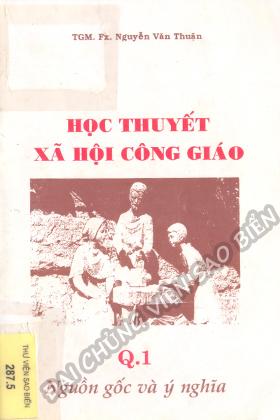
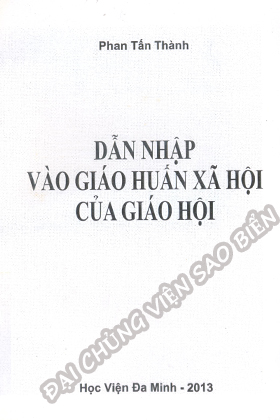
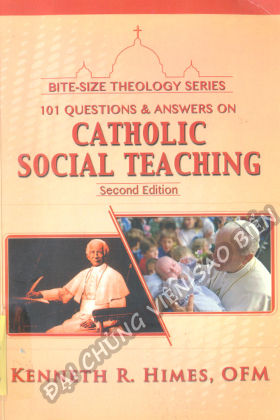
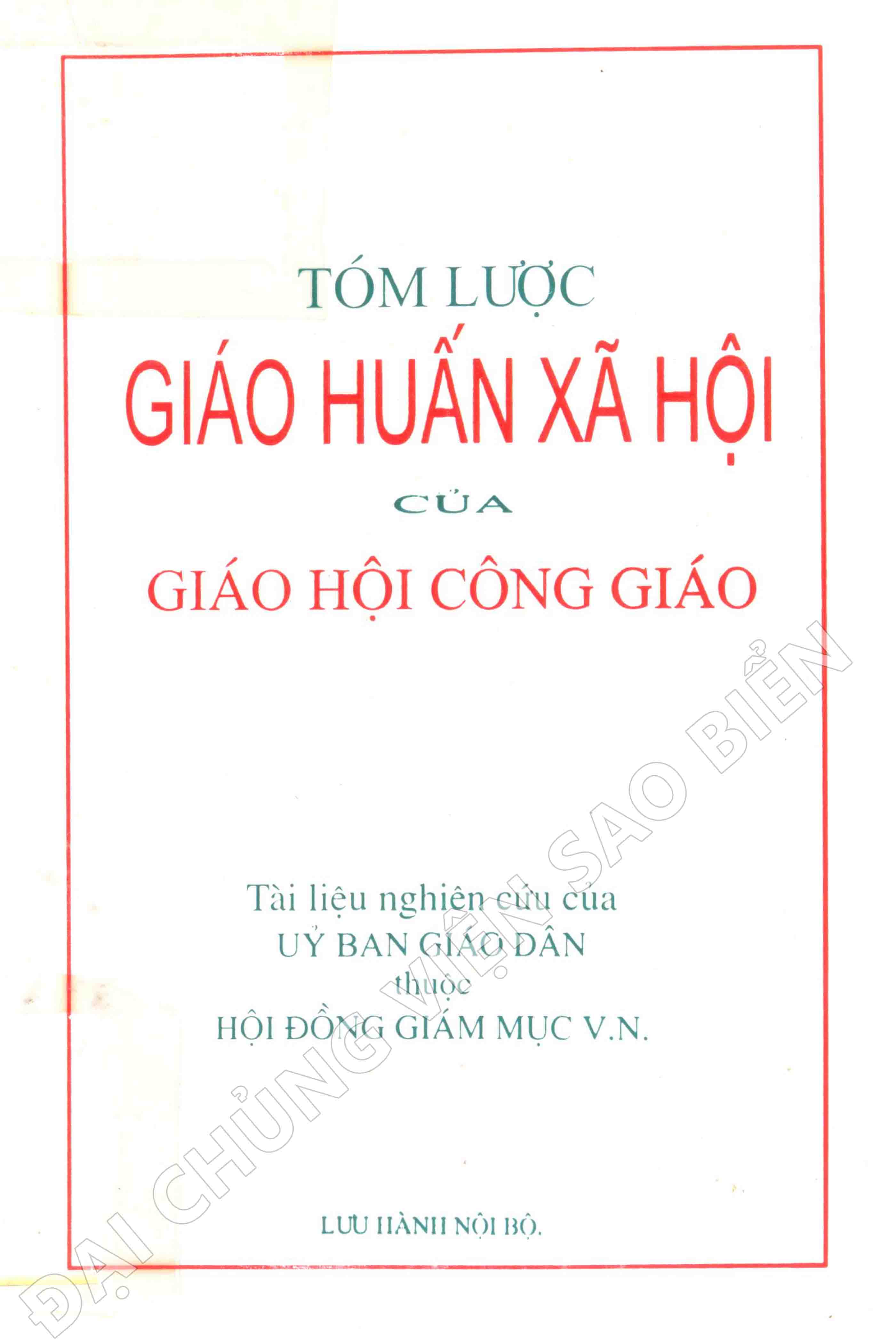
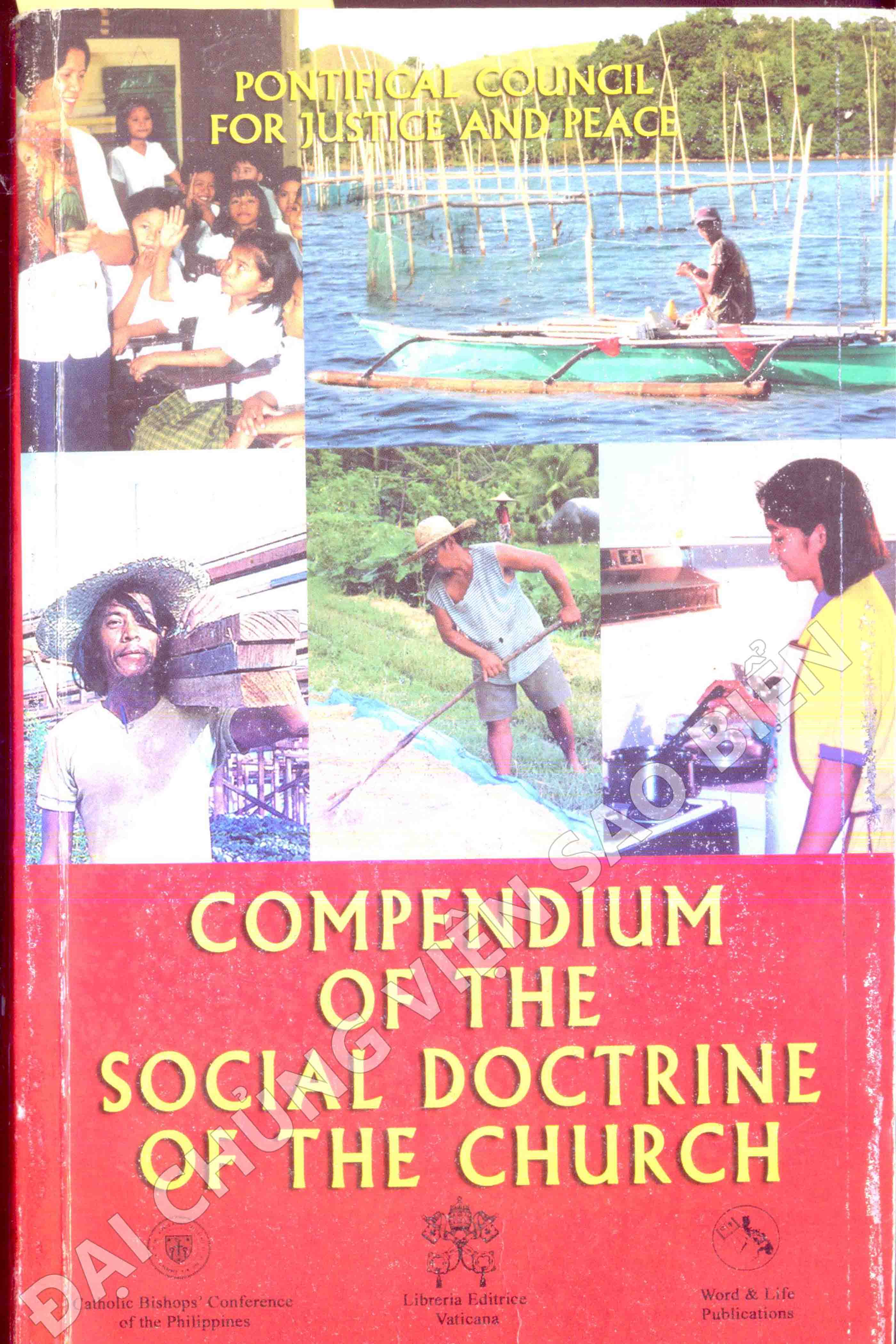
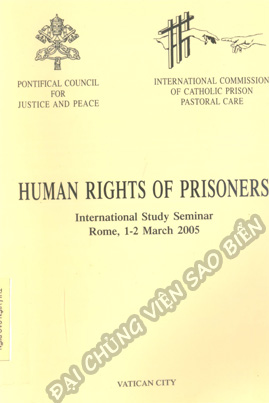 Tác giả: R. Mérieux
 Tác giả: Vô Danh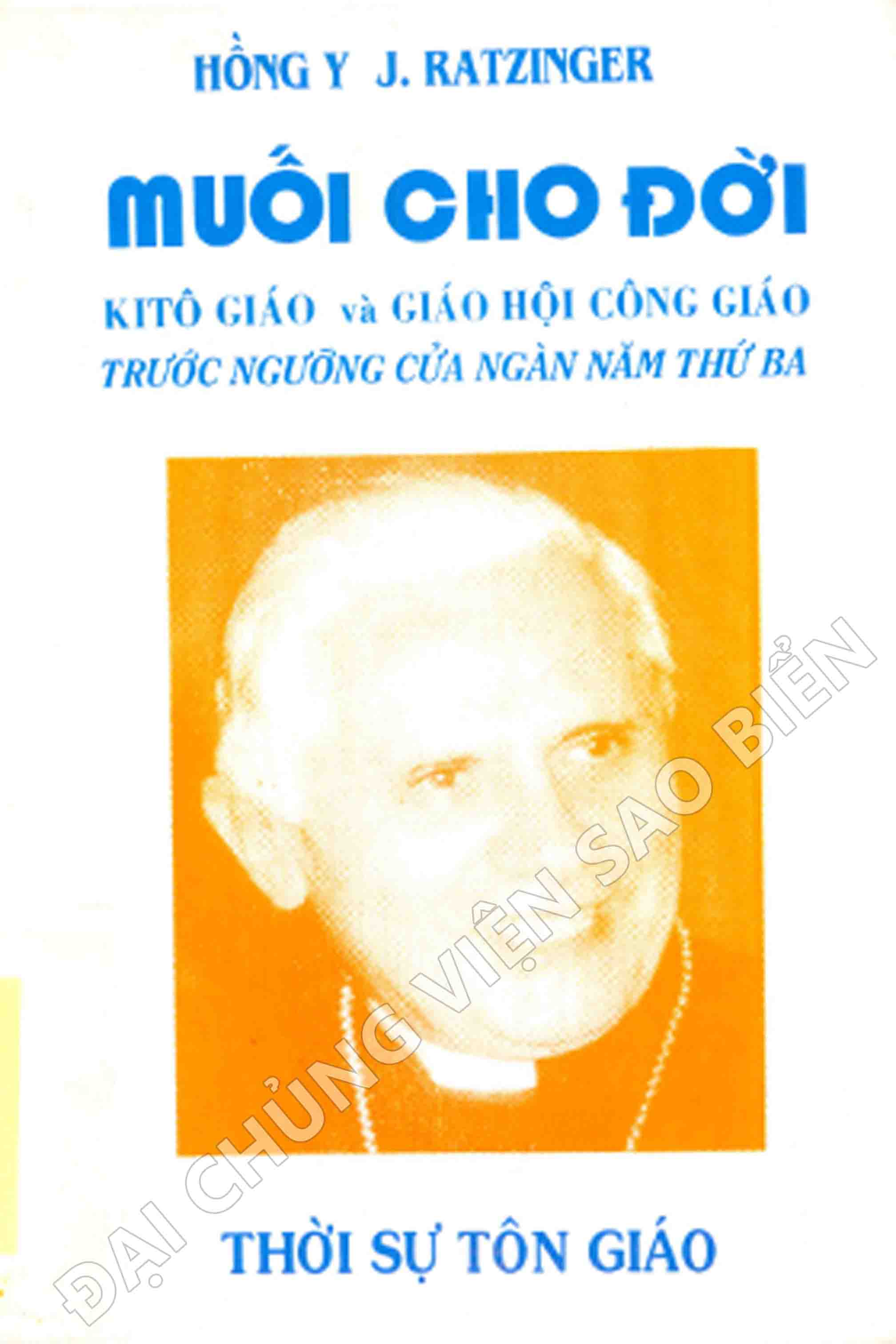
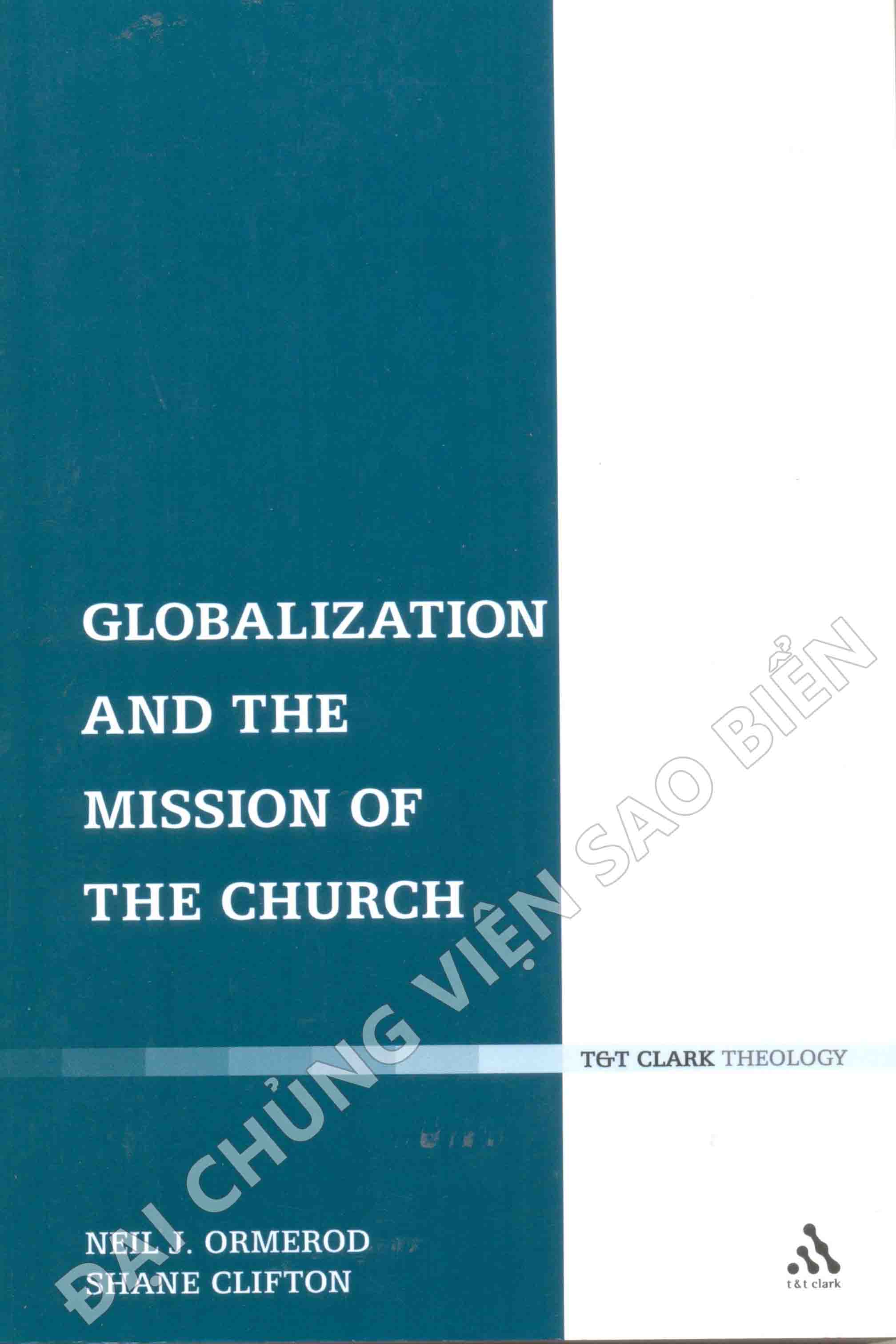
 Tác giả: Barbara Ward
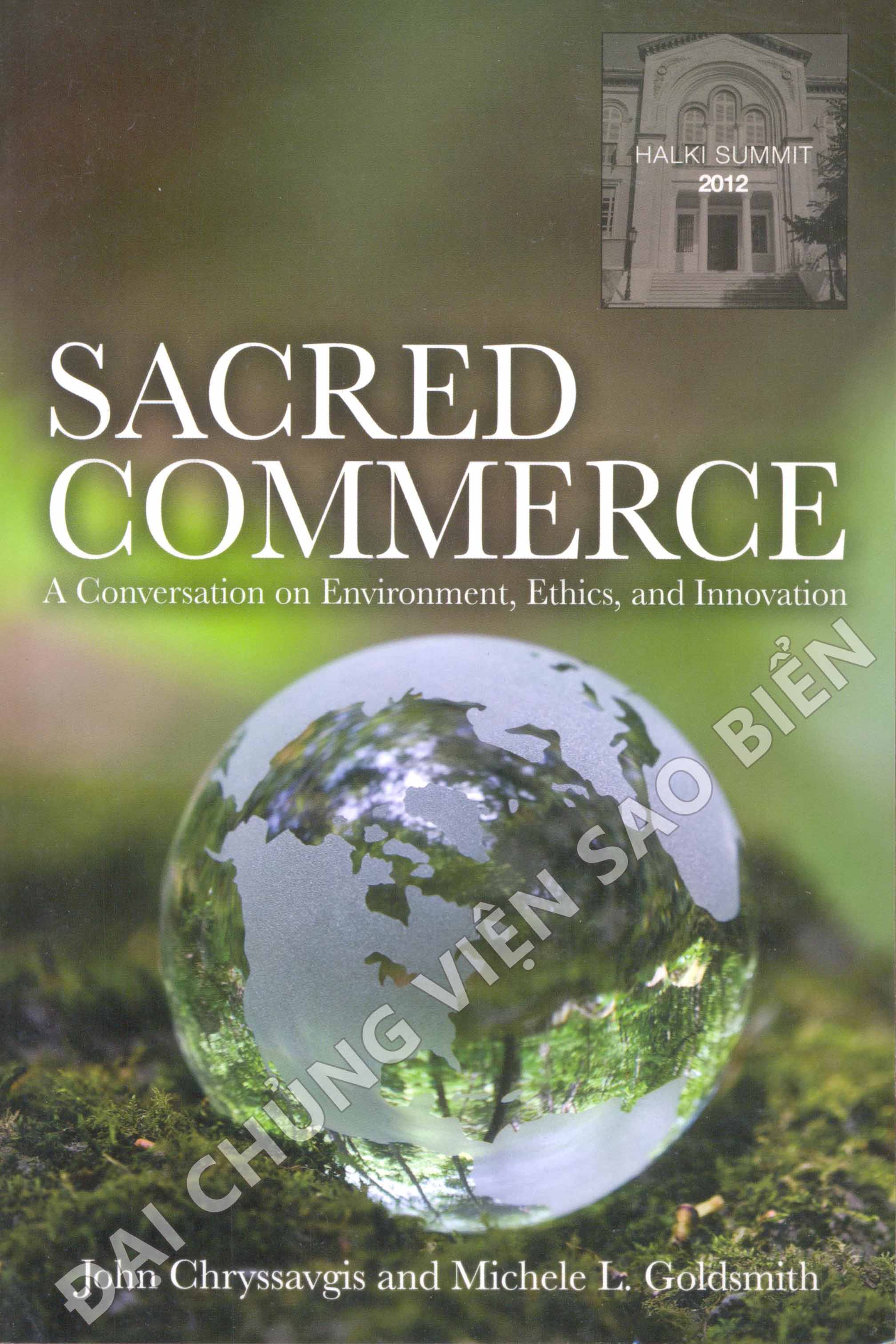 Tác giả: Nhiều Tác Giả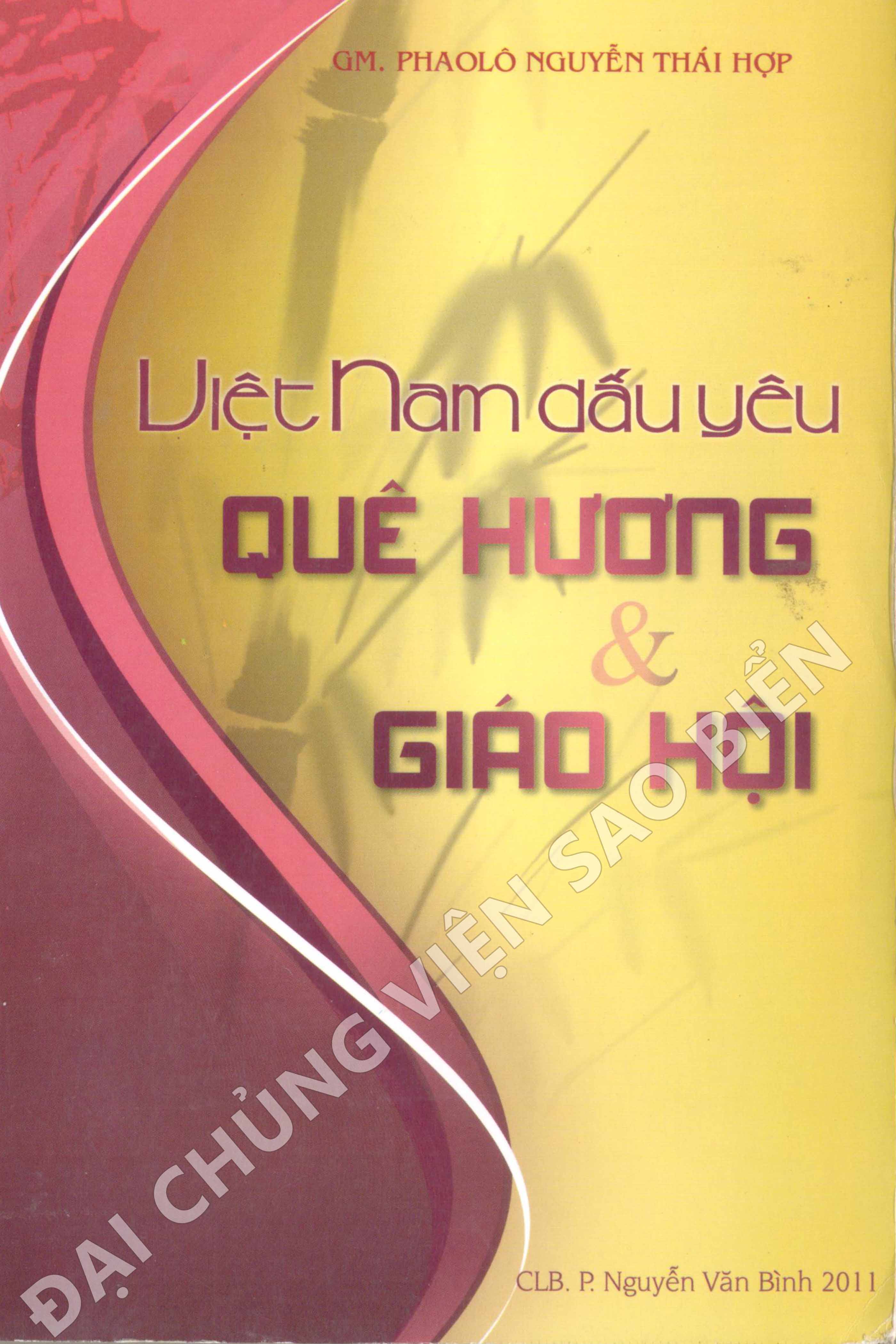
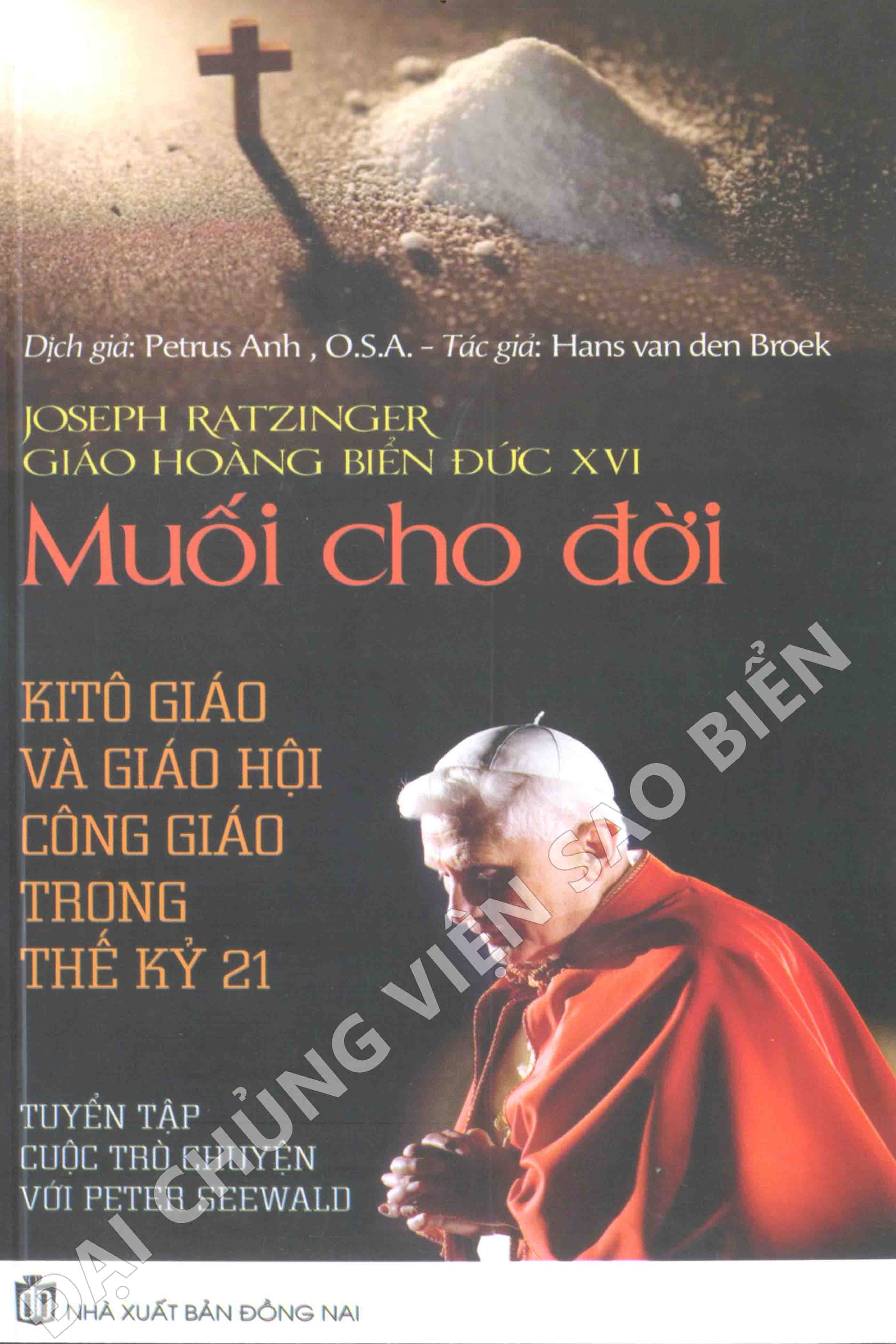 Tác giả: Hans Van Den Broek
 Tác giả: Harvey Cox
 Tác giả: Charles Taylor
 Tác giả: Edward Schillebeeckx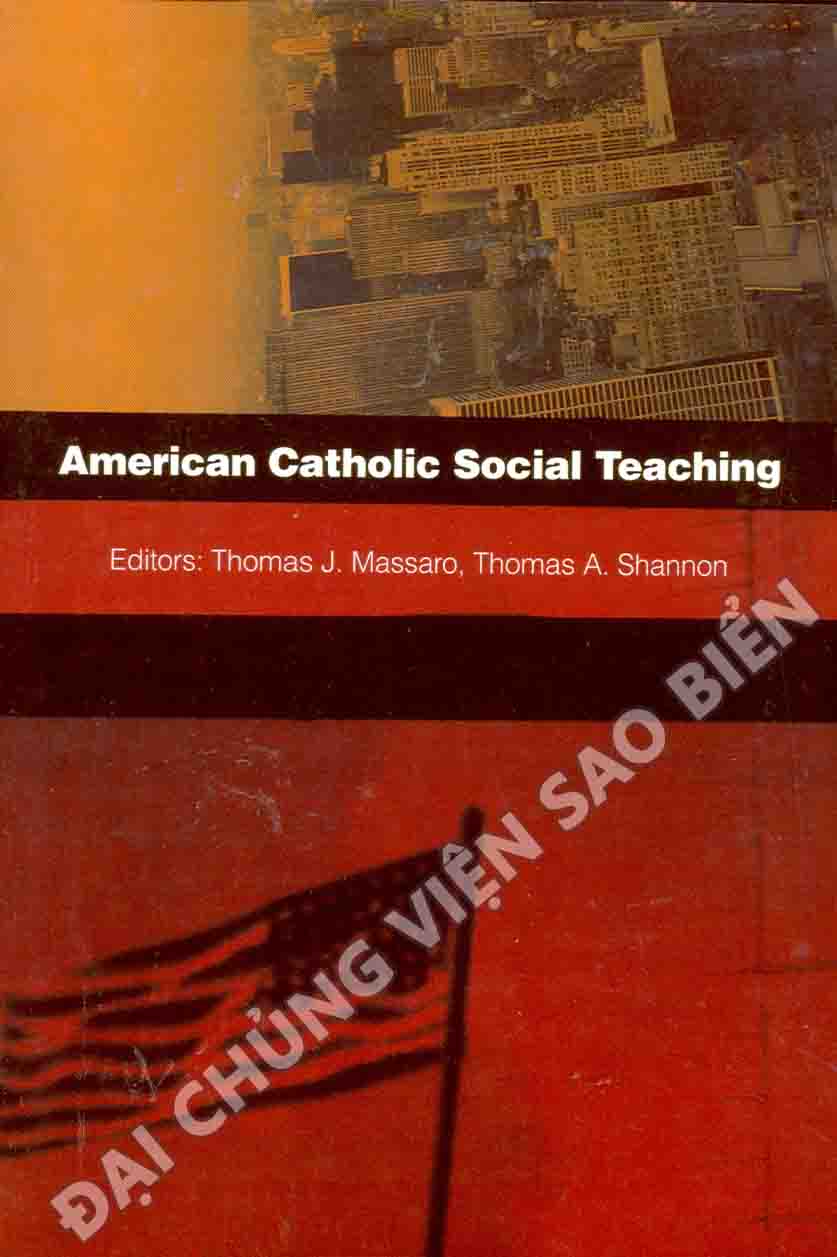


 Tác giả: Jean Adnet
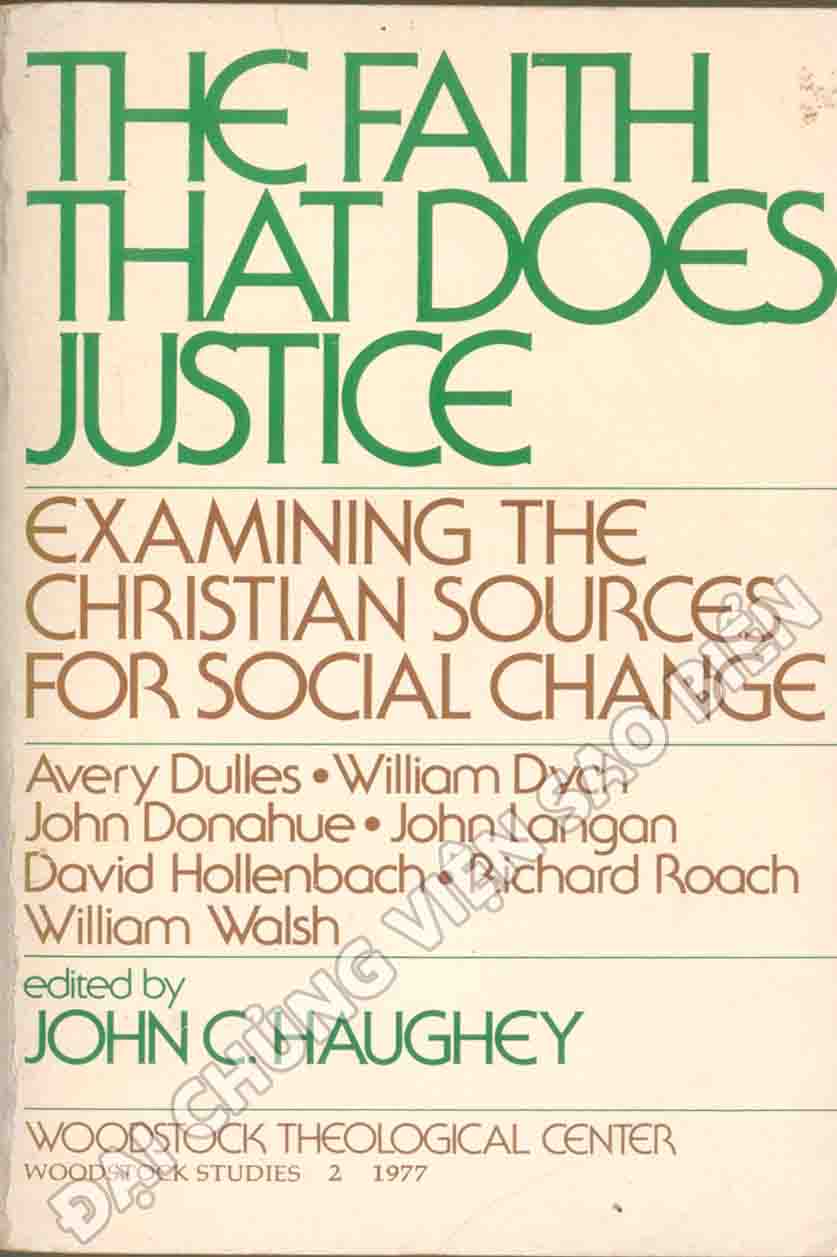 Tác giả: Nhiều Tác Giả
 Tác giả: Pope Francis
 Tác giả: Vô Danh