| A Treatise of Human Nature - Volume I | |
| Tác giả: | David Hume |
| Ký hiệu tác giả: |
HU-D |
| DDC: | 128 - Triết Học Về Con người |
| Ngôn ngữ: | Anh |
| Tập - số: | 1 |
| Số cuốn: | 1 |
Hiện trạng các bản sách
|
||||||||||||||||
| Volume I. Book I. | |
| Part I: Ideas, their origin, composition, connection, abstraction, etc. | |
| Of the origin of our ideas | 11 |
| Division of the subject | 16 |
| Memory and imagination | 17 |
| Association of ideas | 19 |
| Modes and substances | 24 |
| Abstractideas | 25 |
| Part II: The ideas of space and time | |
| The infnite divisibility of our ideas of space and time | 34 |
| The infnite divisibility of space and time | 36 |
| The other qualities of our ideas of space and time | 40 |
| Objections answered | 46 |
| The same subject continued | 59 |
| The ideas of existence and of external existence | 70 |
| Part III: Knowledge and probability | |
| Knowledge | 73 |
| Probability, and the idea of cause and effect | 76 |
| 'Why a cause is necessary | 81 |
| “The component parts of our reasonings about cause and effect | 85 |
| “The impressions of the senses and memory | 86 |
| The inference from the impression to the idea | 89 |
| The nature of the idea or belief | 96 |
| The causes of belief | 101 |
| The effects of other relations and other habits | 109 |
| Influence of belief | 126 |
| The probability of chances | 131 |
| The probability of causes | 143 |
| Unphilosophical probability | 153 |
| The idea of necessary connection | 170 |
| Rules by which to judge of causes and effects | 170 |
| The reason of animals | 175 |
| Part III: The sceptical and other systems of philosophy | |
| Scepticism with regard toreason | 176 |
| Scepticism with regard to the senses | 182 |
| “The ancient philosophy | 210 |
| The modern philosophy | 215 |
| “The immateriality of the soul | 221 |
| Personal identity | 238 |
| Conclusion of this book | 249 |


Các tác phẩm cùng thể loại
-
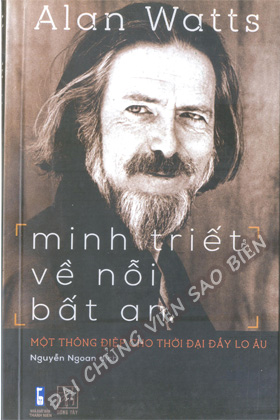 Tác giả: Alan Watts
 -
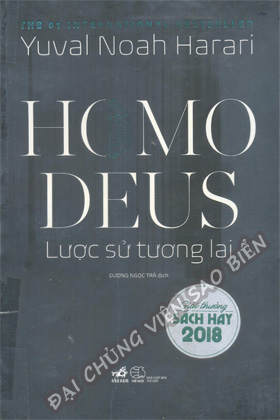
-
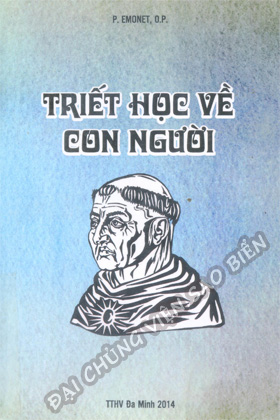 Tác giả: P. Emonet, OP
 -
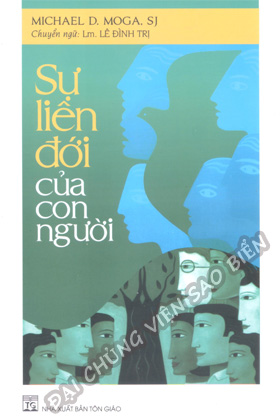
-

-
-
-

-
-
-

-
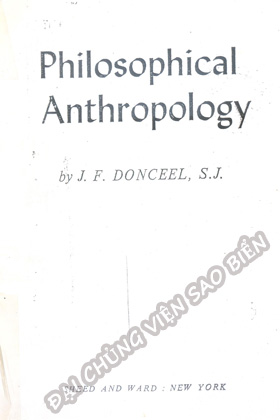
-
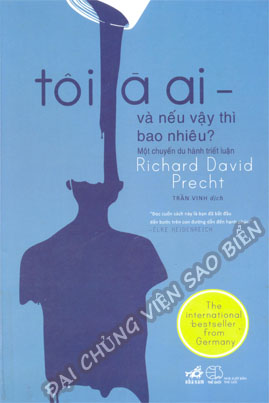
-

-

-
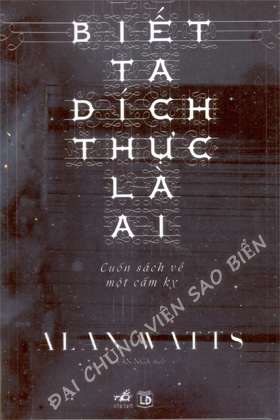 Tác giả: Alan Watts
 -
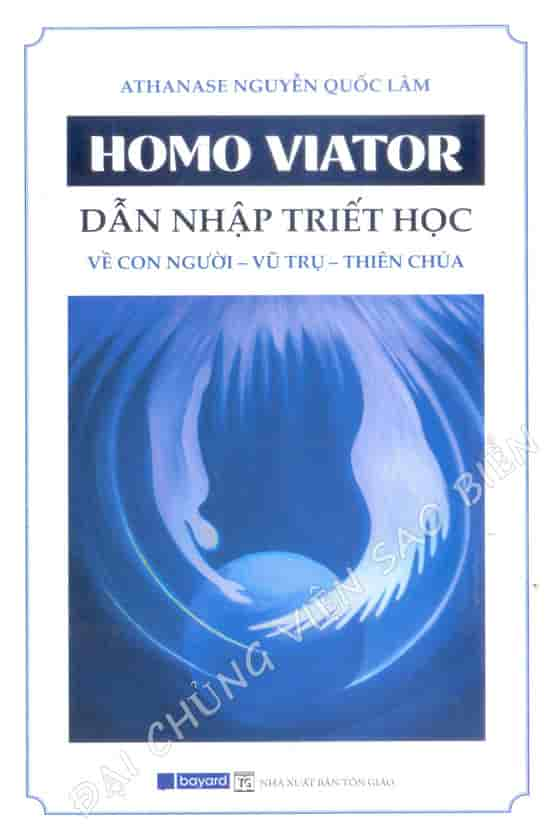
-
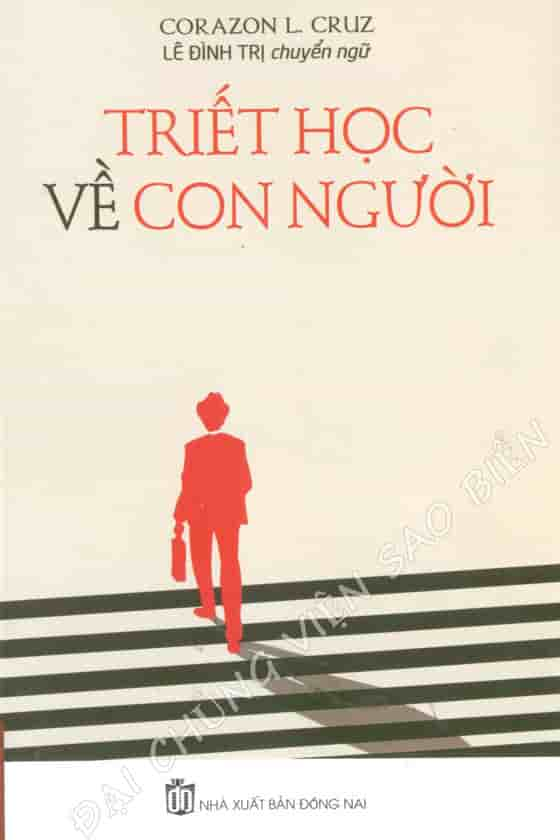 Tác giả: Corazon L. Cruz
 -
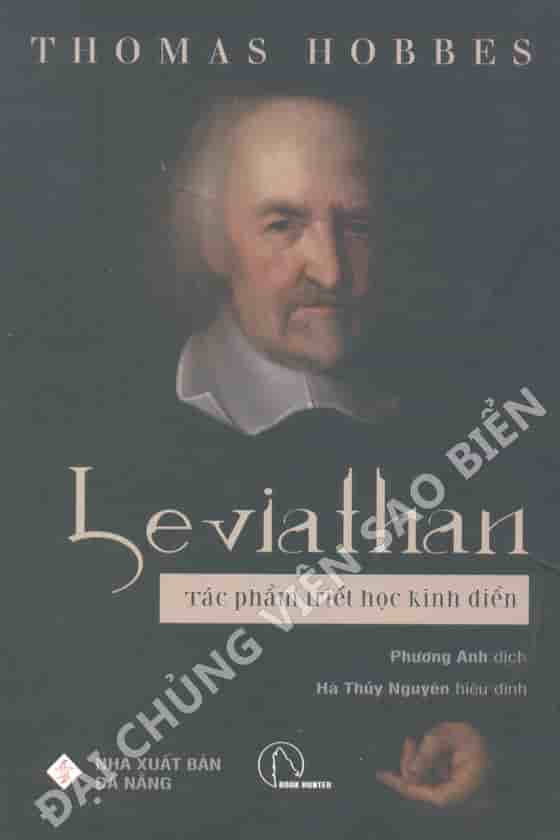 Tác giả: Thomas Hobbes
 -
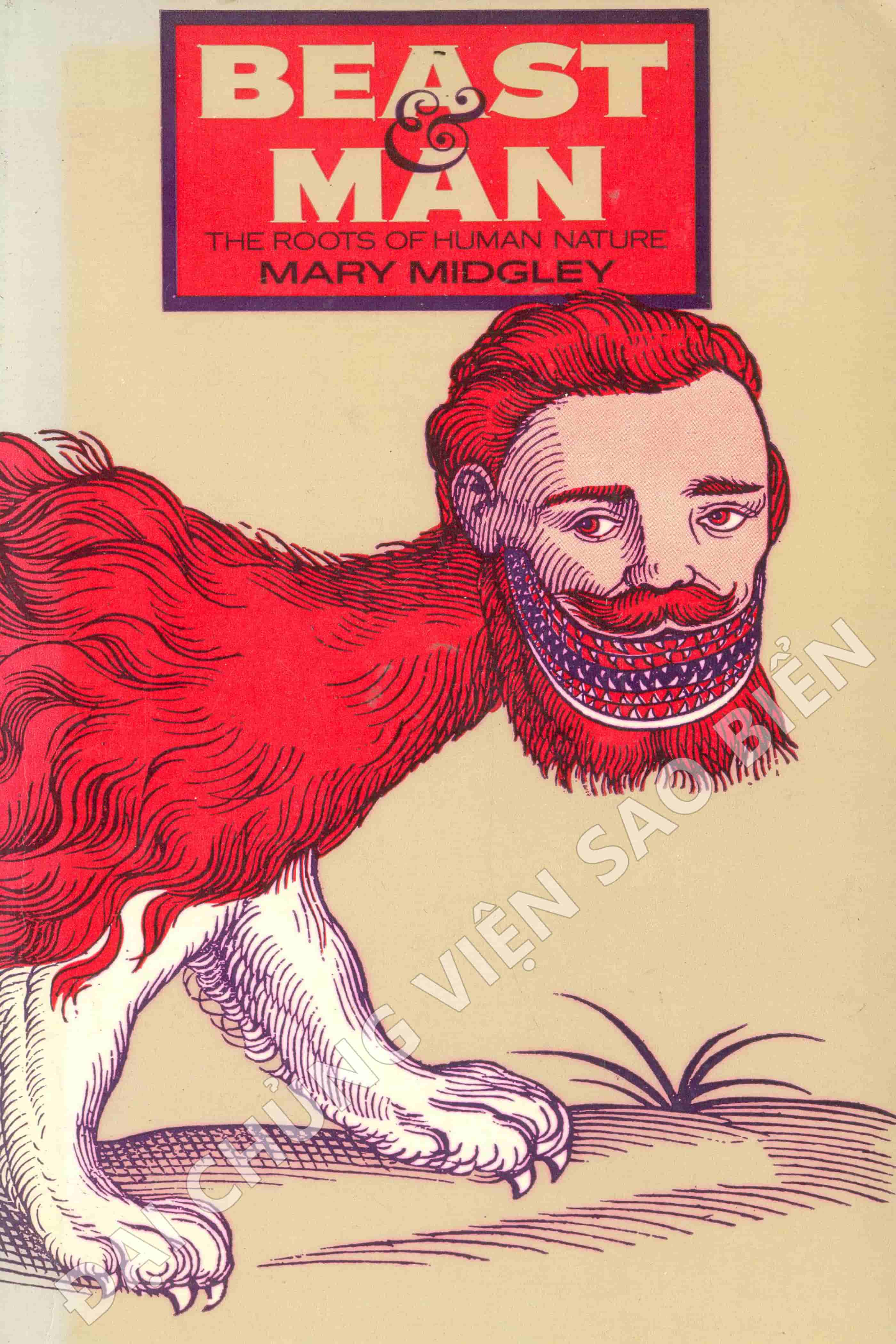 Tác giả: Mary Midgley
 -
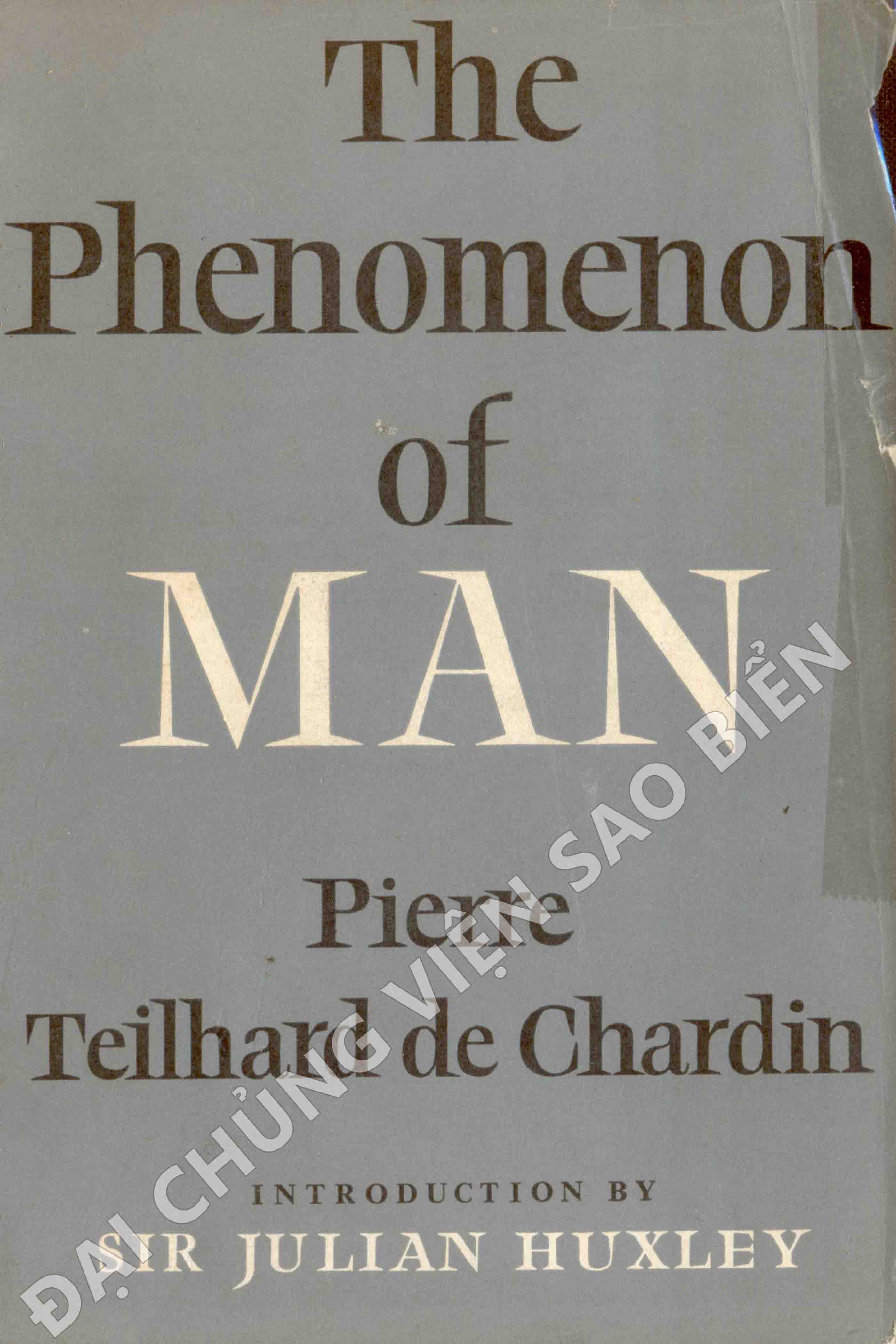
-
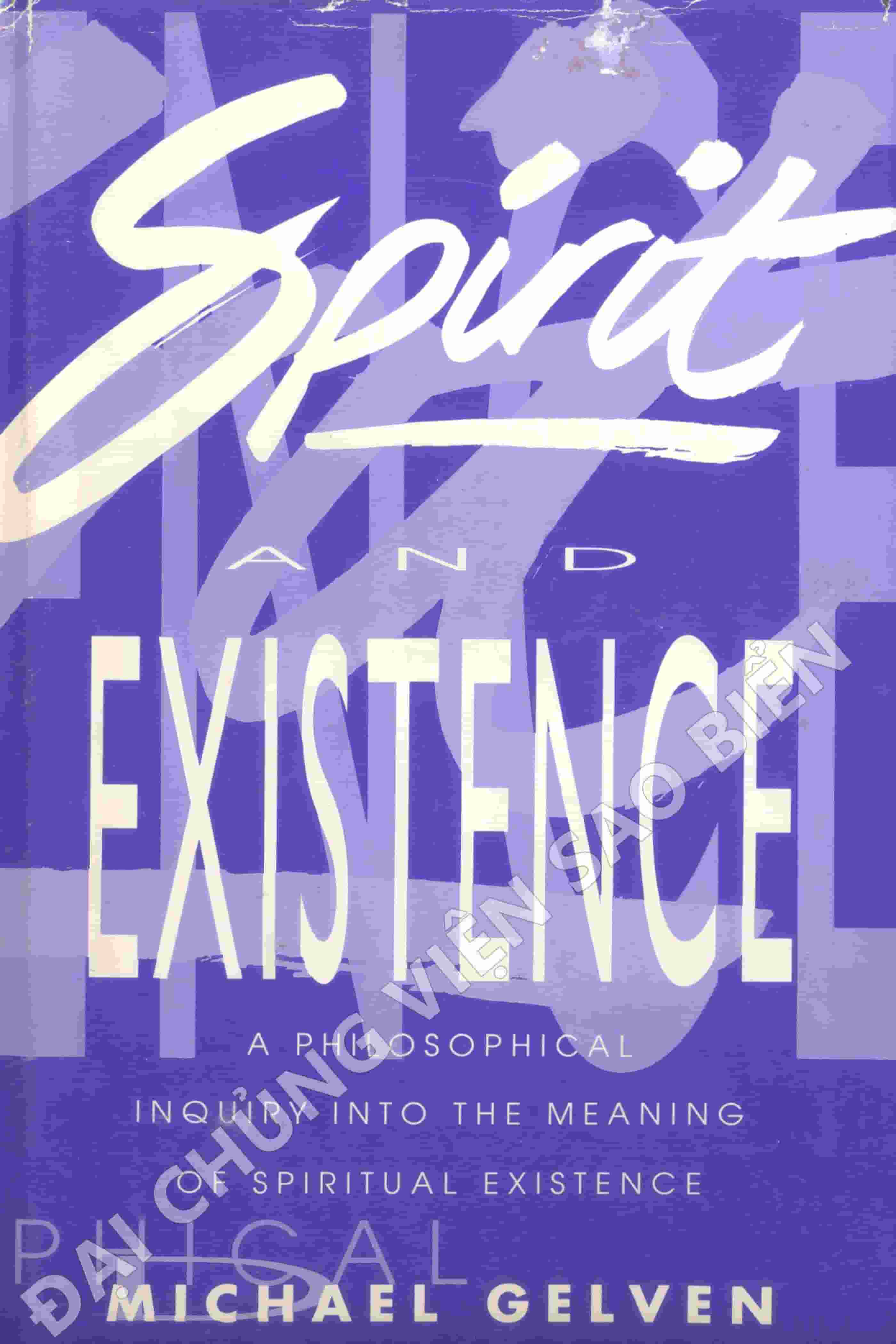 Tác giả: Michael Gelven
 -
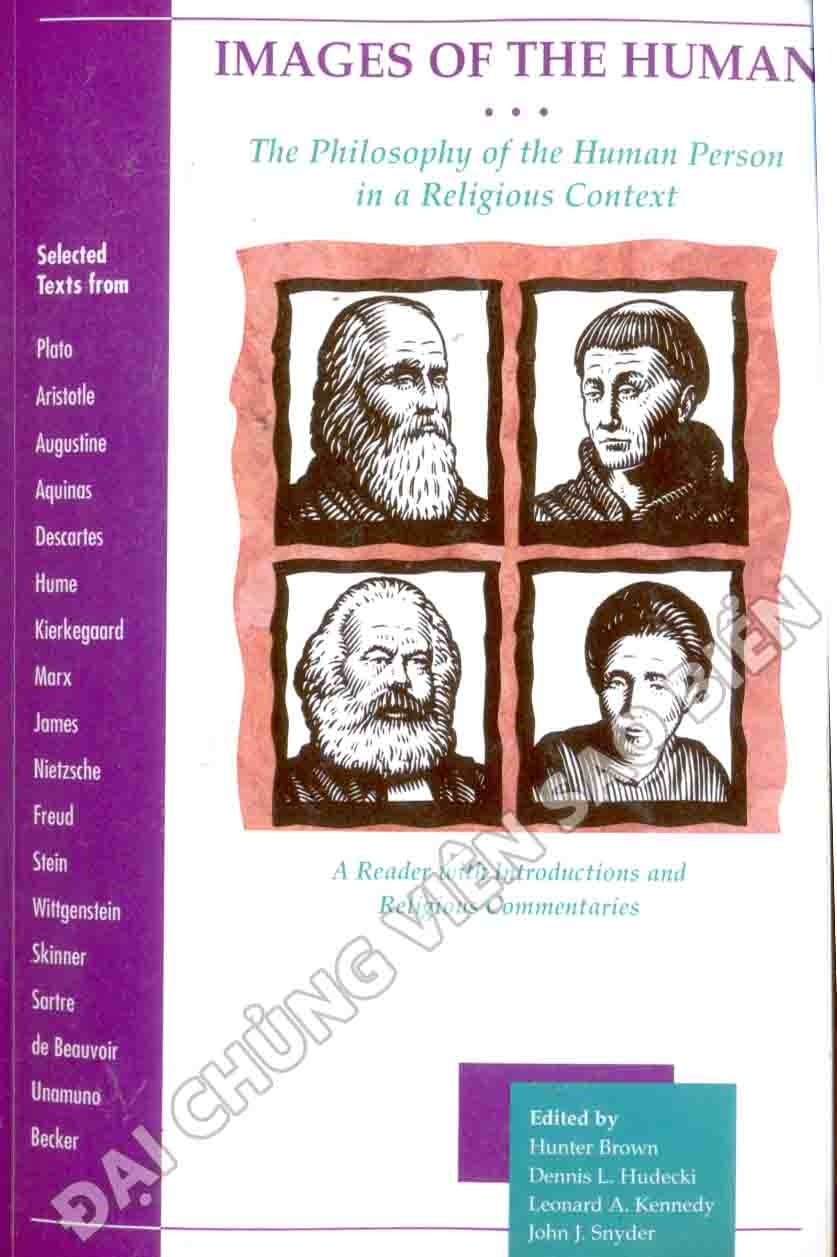 Tác giả: Nhiều Tác Giả
 -
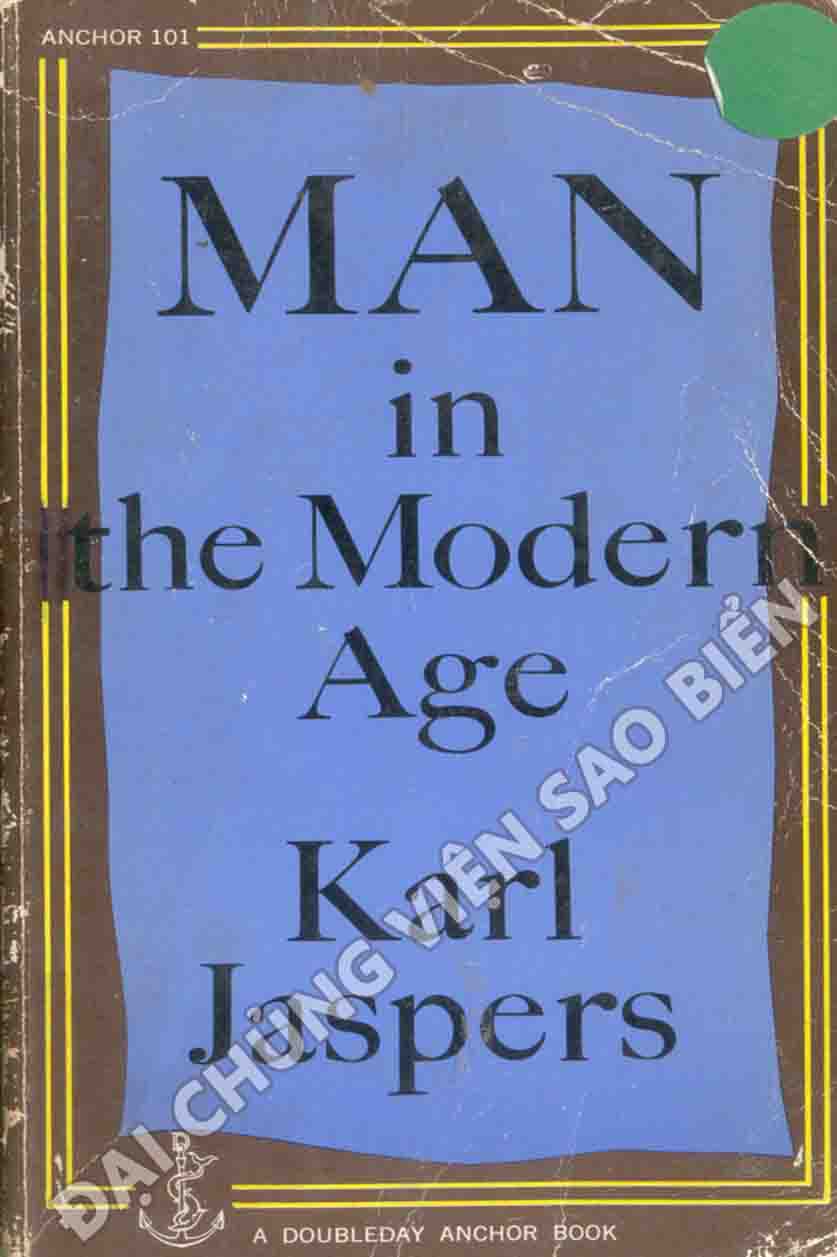 Tác giả: Karl Jaspers
 -
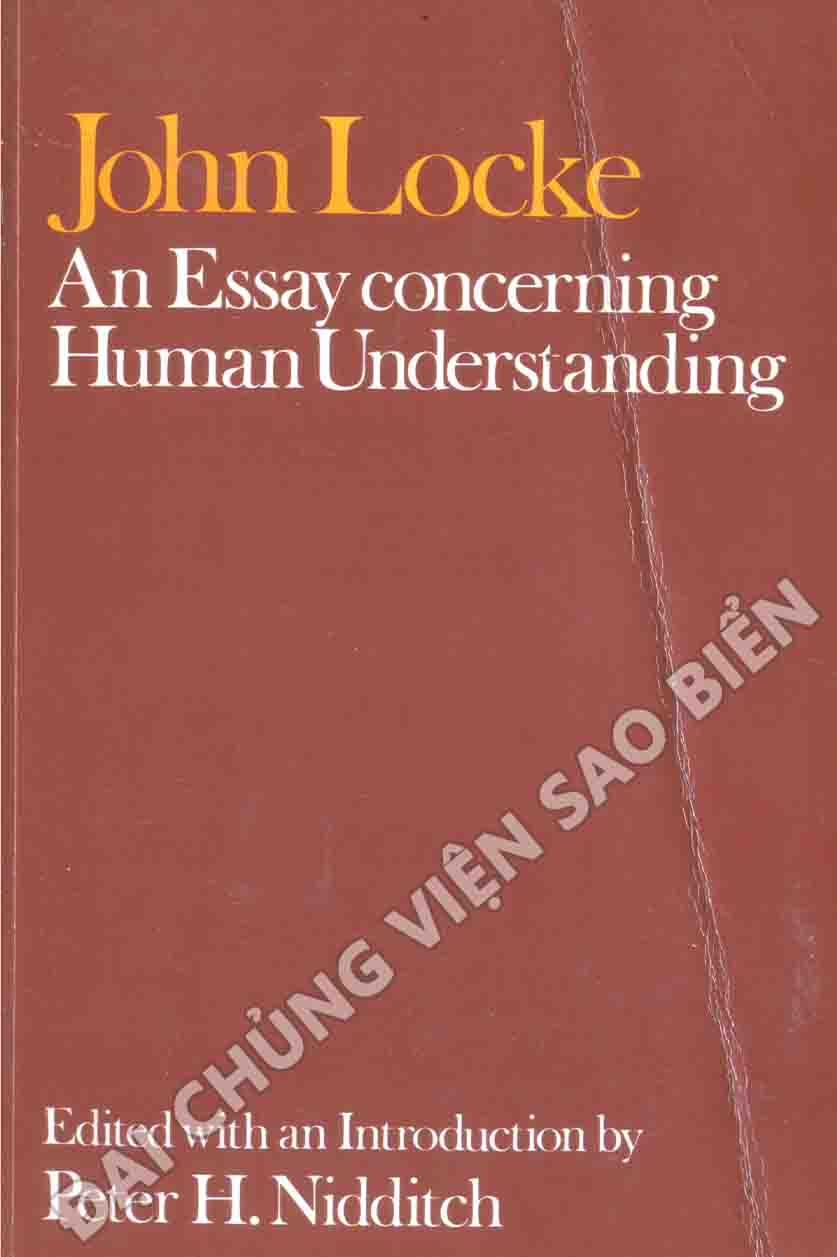
-
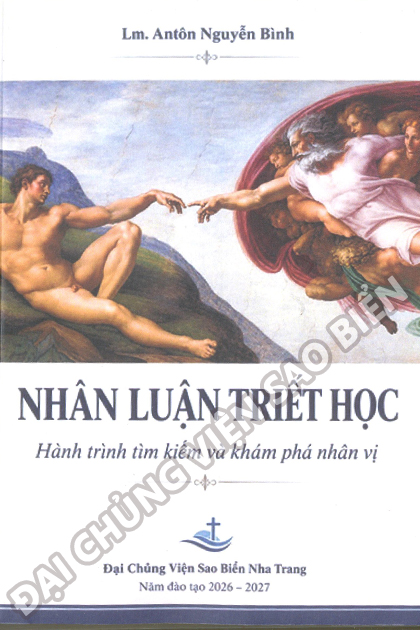 Tác giả: Lm. Antôn Nguyễn Bình