| ABBREVIATIONS |
vii |
| PREFACE |
xv |
| INTRODUCTION ... |
I |
| PART 1: GENERAL CHARACTERISTICS OF THE PASSAGE |
|
| Chapter 1: |
13 |
| PRELIMINARY REMARKS |
13 |
| Questions .... |
15 |
| Exercise 1 .................. |
17 |
| Chapter II: |
19 |
| THE LITERARY GENRE - GENERALITIES. |
19 |
| Introduction .......................................... |
20 |
| I. Definition |
22 |
| II. Classification .......... |
23 |
| III. Origin ................ |
26 |
| IV. Identification |
30 |
| V. Evolution |
31 |
| VI. Interpretation ....... |
31 |
| Exercise 2 ............ |
31 |
| Chapter III: |
|
| THE MAJOR LITERARY GENRES OF THE |
|
| NEW TESTAMENT .... |
33 |
| I. The literary genres of the New Testament .. |
34 |
| a) Difficulty of the enterprise |
34 |
| b) Classification |
35 |
| c) Present state of research ......... |
36 |
| d) A few guiding principles .......... |
37 |
| II. The genre "gospel" |
38 |
| III. The genre "historical monograph" |
41 |
| IV. The genre "official religious letter" |
47 |
| V. The genre "apocalypse" .. |
51 |
| Exercise 3 ........... |
56 |
| Chapter IV: |
57 |
| SOME MINOR LITERARY GENRES |
57 |
| 1. The parable |
58 |
| a) Number ....... |
58 |
| b) Terminology ..... |
58 |
| c) Definition .......... |
58 |
| d) Method of interpretation. |
59 |
| e) Application of the first principle .. |
59 |
| 1. Study the parable in itself ...... |
60 |
| 2. Study the circumstances ..... |
61 |
| 3. Study the appendix ...... |
61 |
| f) Application of the second principle .. |
62 |
| g) Rules of interpretation ..... |
62 |
| II. The miracie narrative ........ |
66 |
| a) Problems of historicity |
67 |
| b) Vocabulary ............. |
67 |
| c) Classification ............. |
68 |
| d) Rules of interpretation .... |
69 |
| III. The ethical list |
69 |
| IV. The topos ................. |
72 |
| Conclusion ...... |
77 |
| Questionnaire .... |
81 |
| Exercise 4 ....... |
81 |
| Exercise 5 |
87 |
| Chapter V: |
88 |
| CONTEXT OF A PASSAGE . |
89 |
| I. Notion and importance |
89 |
| II. Classification .... |
91 |
| a) Literary context .. |
91 |
| b) Psychological context |
93 |
| c) Historical context |
94 |
| d) Prophetic context |
95 |
| e) Liturgical context |
95 |
| III. Rules of interpretation |
95 |
| Questionnaire |
98 |
| Exercise 6 |
100 |
| Exercise 7 |
101 |
| Chapter VI: |
|
| STRUCTURES |
103 |
| I. Notion and importance |
103 |
| II. Characteristics |
104 |
| III. Structural devices, |
105 |
| IV. Present state of research |
108 |
| V. Rules of interpretation ...... |
115 |
| Questionnaire ........ |
117 |
| Exercise 8 |
126 |
| Exercise 9 |
126 |
| NLNCC |
127 |
| Chapter VII: |
127 |
| COHERENCE |
130 |
| I. General reflections |
134 |
| II. The inaugural preaching in Nazareth (Lk 4, 16-30) |
135 |
| III. The penitent woman (Lk 7, 36-50) |
136 |
| IV. The scandal of the little ones (Mk 9, 33-50; Mt 18), |
138 |
| V. The wedding at Cana (Jn 2, 1-12) |
140 |
| VI. Rules of interpretation .... |
141 |
| Questionnaire ...... |
143 |
| Exercise 10 ... |
143 |
| Chapter VIII: |
143 |
| BACKGROUND .. |
143 |
| I. Importance ...... |
143 |
| II. Practical directions ... |
145 |
| III. A few examples ...... |
148 |
| a) The status of women |
148 |
| b) The slave ...... |
150 |
| c) The literary milieu |
151 |
| IV. Rules of interpretation .. |
153 |
| Questionnaire ... |
154 |
| Exercise 11 ... |
156 |
| Exercise 12 |
156 |
| Exercise 13 |
156 |
| PART 2: ANALYSIS OF DETAILS |
161 |
| Chapter IX: |
|
| VOCABULARY: QUALITATIVE |
|
| ANALYSIS .......... |
161 |
| I. Preliminary remarks |
161 |
| II. The exousia on the head (1 Co 11, 10) ........ |
165 |
| III. The position of Jesus before Pilate (Jn 19, 13) ..... |
167 |
| IV. I Co 7, 36-38: father-daughter or engaged couple? .... |
169 |
| V. Rules of interpretation .... |
170 |
| Questionnaire .... |
172 |
| Exercise 14 .... |
178 |
| Chapter X: |
|
| VOCABULARY: QUANTITATIVE ANALYSIS |
179 |
| I. Glimpses on quantitative analysis ... |
179 |
| II. An important distinction .. |
181 |
| III. Methodological particulars ... |
183 |
| IV. Relativity of statistics .... |
185 |
| V. Lexical lists ....... |
188 |
| a) Lexical statistics: Mt (178 of the NT) .... |
188 |
| b) Lexical statistics: Mk (+ 1/12 of the NT) ... |
190 |
| c) Lexical statistics: Lk (+ 1/4 of the NT) ... |
190 |
| d) Lexical statistics: Jn (1/5 of the NT) .... |
194 |
| e) Lexical statistics: Paul (+ 1/4 of the NT). |
196 |
| f) Lexical statistics: He (1728 of the NT) .. |
200 |
| VI. Rules of interpretation Questionnaire |
201 |
| Exercise 15 ..... |
203 |
| Chapter XI: |
|
| GRAMMAR . |
205 |
| I. Generalities ...... |
205 |
| II. A few devices of Semitic grammar |
206 |
| 1. The plural .. |
206 |
| 2. The genitive .... |
207 |
| 3. The dative ......... |
208 |
| 4. Comparative and superlative |
208 |
| 5. Divine passive |
209 |
| III. Other grammatical devices |
209 |
| IV. Rules of interpretation Les .... |
212 |
| Questionnaire. |
213 |
| Exercise 16 .. |
219 |
| Chapter XII: |
221 |
| STYLE |
221 |
| I. Generalities |
221 |
| II. NT Stylistics |
226 |
| III. Rules of interpretation |
227 |
| Questionnaire ... |
228 |
| A. General questions |
228 |
| B. Particular questions (Synoptics) |
239 |
| Exercise 17 ... |
244 |
| Chapter XIII: |
245 |
| QUOTATIONS |
245 |
| I. Nature and number .... |
247 |
| II. Degree of conformity with the original text |
252 |
| III. Purpose of quotations |
254 |
| IV. Rules of interpretation |
259 |
| Questionnaire |
259 |
| Exercise 18 |
259 |
| Exercise 19 |
259 |
| Chapter XIV: |
|
| PARALLELS |
261 |
| I. Notion |
261 |
| II. Main applications. |
263 |
| 1. Throw light on an aspect of the mystery of · Jesus ... |
263 |
| 2. Throw light on an aspect of the history of salvation .............. |
264 |
| 3. Clarify the meaning of a word, an expression, a formula .................... |
264 |
| 4. Show that a reality, an idea, an expression pertains to a recurrent theological theme... |
264 |
| 5. Point out the differences in theological perspective between authors relating the same event or stating the same idea .. |
265 |
| 6. Adopt the best variant reading in textual criticism |
266 |
| III. Rules of interpretation .... |
266 |
| Questionnaire ..... |
268 |
| Exercise 20 .... |
274 |
| Chapter XV: |
|
| FIGURATIVE ELEMENTS: TYPES |
275 |
| I. Precisions on terminology |
275 |
| II. Rules of interpretation |
280 |
| Questionnaire ..... |
283 |
| Exercise 21 ... |
284 |
| Chapter XVI: |
|
| FIGURATIVE ELEMENTS: SYMBOLS |
285 |
| I. Definition |
285 |
| II. Some precisions |
287 |
| a) Monovalence and polyvalence ... |
287 |
| b) OT background ... |
288 |
| c) Categories ....... |
289 |
| d) Symbolic actions .... |
289 |
| e) Symbolic numbers ... |
292 |
| III. Rules of interpretation |
293 |
| Questionnaire |
294 |
| Exercise 22 |
310 |
| Chapter XVII: |
311 |
| CONTEXT OF A VERSE |
311 |
| I. Generalities. |
312 |
| II. A few examples ........ |
315 |
| III. Rules of interpretation |
316 |
| Questionnaire |
321 |
| Exercise 23 |
321 |
| CONCLUSION |
323 |
| APPENDIX 1: |
|
| EXERCISES OF SYNTHESIS |
331 |
| Exercise 24 |
331 |
| Exercise 25 |
332 |
| Exercise 26 |
332 |
| APPENDIX II: |
333 |
| QUESTIONNAIRE-GUIDE |
333 |
| GENERAL BIBLIOGRAPHY .. |
345 |


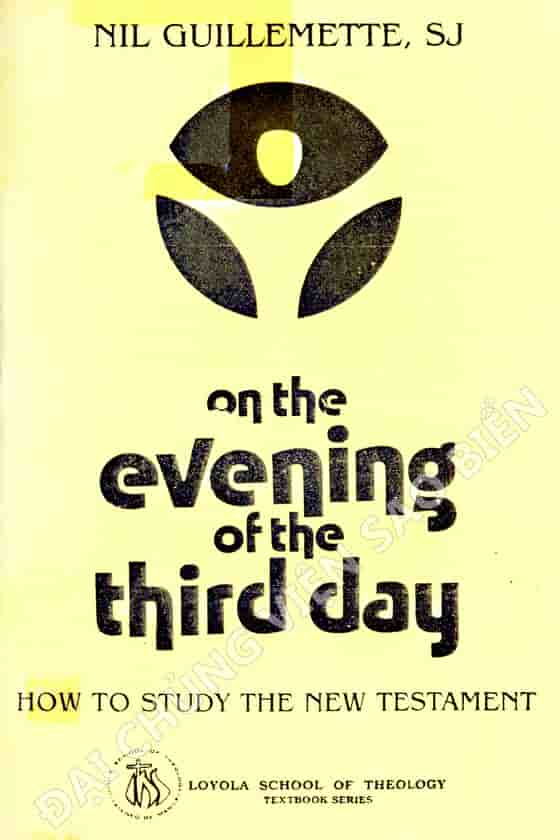


 Tác giả: Nil Guillemette, SJ
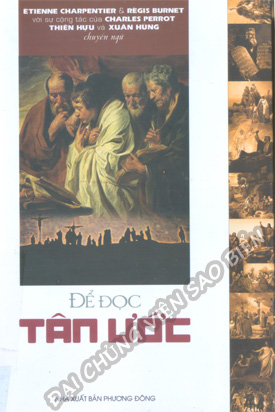
 Tác giả: Etienne Charpentier
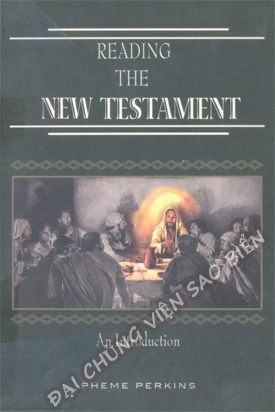 Tác giả: Pheme Perkins

 Tác giả: John Drane
 Tác giả: Nil Guillemette, SJ