| The Structure of Matthew’s Gospel |
| Section One: Introducing Jesus: the Infancy Narratives (1:1 - 2:23) |
| 1. Jesus, the Messiah, the Son of David, the Son of Abraham (1:1) |
| 2. Jesus’genealogy (1:-17) |
| 3. Jesus, the S6n of God, the Saviour, God-with-us (1:18-25) |
| 4. Jesus, born of the royal house of David, destined to bring joy to the whole world(2:1-12) |
| 5. Jesus relives the exile in Egypt (2:13-15) |
| 6. Association with Jesus brings suffering (2:16-18) |
| 7. Jesus of Nazareth (2:19-23) |
| Section Two: Introducing Jesus: The Messiah, the Son of God (3:1 - 4:16) |
| 1. The Baptist heralds the one who is to fulfil the Messianic hopes of Israel (3:1-12) |
| 2. Jesus is declared Son of God at his baptism (3:13-17) |
| 3. Jesus is our brother, tested like us in the desert (4:1-11) |
| 4. Jesus withdraws to the Galilee of the Gentiles (4:12-16) |
| Section Three: The coming of God’s kingdom: Being a disciple (4:17 - 7:29) |
| A. Introduction (4:17-25) |
| 1. Summary of Jesus’ proclamation of the gospel (4:17) |
| 2. Jesus invites others to join him in his mission (4:18-22) |
| 3. Crowds gather around Jesus the teacher-healer (4:23-25) |
| B. Jesus’ teaching on discipleship (5:1- 7:29) |
| 1. Introduction (5:1-2) |
| 2. The Beatitudes (5:3-10) |
| 3. The disciples’relationship to the world (5:11-16) |
| 4. Jesus fulfils the Law and the Prophets (5:17-20) |
| 5. Disciples are to work for reconciliation (5:21-26) |
| 6. Disciples are to not regard each other with lust (5:27-30) |
| 7. Disciples are to respect marriage commitment (5:31-32) |
| 8. Disciples are to respect the truth (5:33-37) |
| 9. Disciples are to be meek (5:38-42) |
| 10. Disciples are to love as God loves (5:43-48) |
| 11. Disciples and almsgiving (6:1-4) |
| 12. Disciples and prayer (6:5-15) |
| 13. Disciples and fasting (6:16-18) |
| 14. A heart fixed on God (6:19-24) |
| 15. Trust in God (6:25-34) |
| 16. Disciples are not to judge others (7:1-5) |
| 17. Disciples need to be discerning (7:6) |
| 18. Disciples are to petition God with confidence (7:7-11) |
| 19. A summary of the Law and the Prophets (7:12) |
| 20. The two roads: disciples must decide (7:13-14) |
| 21. False prophets (7:15-20) |
| 22. The test of discipleship: doing the will of God (7:21-23) |
| 23. Disciples are to hear Jesus’ words and to act on them (7:24-27) |
| 24. Conclusion (7:28-29) |
| Section Four: The coming of the kingdom of God: the healing and liberating power of Jesus’ word (8:1 - 9:35) |
| A. Three healings (8:1-15) |
| 1. A Jewish leper is cleansed (8:1-4) |
| 2. A Gentile centurion pleads for help and is heard (8:5-13) |
| 3. A disciple is ‘raised’(8:14-15) |
| B. Who Jesus is and what it means to follow him (8:16-22) |
| 1. Jesus, the suffering servant of the Lord (8:16-17) |
| 2. Jesus, the Son of Man (8:18-22) |
| C. Three victories over evil (8:23 - 9:8) |
| 1. Jesus conquers evil that threatens from outside (8:23-27) |
| 2. Jesus conquers evil that threatens from inside (8:28-34) |
| 3. Jesus conquers sin (9:1-8) |
| D. Who Jesus is and what it means to follow him (9:9-17) |
| 1. Jesus, the doctor who has come to heal sinners (9:9-13) |
| 2. Jesus, the bridegroom who treasures the new and the old (9:14-17) |
| E. Four healings (9:18-34) |
| 1-2. Jesus gives life (9:18-26) |
| 3. Jesus gives light (9:27-31) |
| 4. Jesus enables us to speak (9:32-34) |
| F. Conclusion (9:35) |
| Section Five: Jesus instructs his disciples concerning their mission (9:36 -11:1) |
| A. Introduction: Jesus, the shepherd of Israel (9:36-38) |
| B. Jesus’mission discourse (10:1 - 11:1) |
| 1. Jesus invests the twelve disciples with his authority (10:1-5a) |
| 2. The disciples’ mission of peace to Israel and God’s judgment of those who reject him(10:5b-15) |
| 3. The disciples will be persecuted but the Father will look after them (10:16-23) |
| 4. The disciples are to be like their teacher (10:24-25) |
| 5. The disciples are to preach without fear, for the Father will look after them(10:26-31) |
| 6. The consequences of accepting or rejecting Jesus (10:32-42) |
| 7. Conclusion (11:1) |
| Section Six: Israel rejects its shepherd Messiah (11:2 -12:50) |
| A. The Messianic kingdom offered and rejected (11:2-24) |
| 1. Jesus the Messiah (11:2-6) |
| 2. Jesus is offering a place in the Messianic kingdom (11:7-15) |
| 3. The people reject Jesus (11:16-19) |
| 4. God’s judgment on their rejection of the Messiah (11:20-24) |
| B. God’s beloved Son continues to offer the merciful salvation of God (11:25 - 12:21) |
| 1. God is revealed in Jesus, the Son (11:25-30) |
| 2. The yoke of mercy (12:1-14) |
| 3. Jesus, the servant of the Lord sent to the whole world (12:15-21) |
| C. Condemnation of those who reject the Messiah (12:22-45) |
| 1. Jesus exposes the evil of the religious leaders (12:22-37) |
| 2. The gentiles condemn the people for their failure to repent (12:38-45) |
| D. The true community of the Messiah (12:46-50) |
| Section Seven: Parables of the kingdom (13:1-52) |
| A. Introduction (13: l-3a) |
| B. Parables (13:3b-50) |
| 1. Parable of the sower (13:3b-9) |
| 2. Jesus’ purpose in speaking in parables (13:10-17) |
| 3. Parable of the sower: an interpretation (13:18-23) |
| 4. Parable of the weeds (13:24-30) |
| 5. Parable of the mustard seed (13:31-32) |
| 6. Parable of the leaven (13:33) |
| 7. Jesus’ purpose in speaking in parables (13:34-35) |
| 8. Parable of the weeds: an interpretation (13:36-43) |
| 9. Parable of the discovered treasure (13:44) |
| 10. Parable of the pearl (13:45-46) |
| 11. Parable of the fishing net (13:47-48) |
| 12. Parable of the fishing net: an interpretation (13:49-50) |
| C. Conclusion (13:51-52) |
| Section Eight: Jesus forms a covenant community of those who come to understand and learn to believe (13:53 - 17:27) |
| 1. Lack of faith in Jesus’hometown (13:53-58) |
| 2. The prophet John is killed (14:1-12) |
| 3. Jesus is God’s manna for the hungry (14:13-21) |
| 4. The disciples grow in faith (14:22-34) |
| 5. Jesus continues his saving ministry (14:35-36) |
| 6. Human tradition must be tested by the word of God (15:1-9) |
| 7. Purity of heart (15:10-20) |
| 8. Discipleship is open to believing Gentiles (15:21-28) |
| 9. Jesus continues his saving ministry (15:29-31) |
| 10. Jesus is God’s manna for the hungry (15:32-39) |
| 11. Israel continues to reject its Messiah (16:1-4) |
| 12. The disciples begin to understand (16:5-12) |
| 13.Peter acknowledges Jesus as the Messiah and Jesus speaks of establishing his church (16:13-20) |
| 14. The Son of Man must suffer, die and rise again [1] (16:21-23) |
| 15. The disciples will find life by following Jesus (16:24-28) |
| 16. God’s response to Jesus: the promised glory is revealed (17:1-8) |
| 17.The disciples come to understand that the Baptist is the precursor of Jesus in his suffering (17:9-13) |
| 18. The necessity of faith (17:14-20) |
| 19. The Son of Man must suffer, die and rise again [2] (17:22-23) |
| 20. The liberty of God’s children (17:24-27) |
| Section Nine: The community of God’s ‘little ones’ welcomed and pardoned (18:1-19:2) |
| 1. Being like a child, humble before God (18:1-5) |
| 2. Warning against causing scandal (18:6-9) |
| 3. God’s love for the lost (18:10-14) |
| 4. Correction within the community and community prayer (18:15-20) |
| 5. Forgiveness (18:21-35) |
| 6. Conclusion (19:1-2) |
| Section Ten: The choice for and against God’s Messiah (19:3 - 23:39) |
| A. Journeying with Jesus to Jerusalem (19:3 - 20:34) |
| 1. Fidelity to the marriage covenant (19:3-12) |
| 2. Little children as examples for disciples (19:13-15) |
| 3. We are powerless of ourselves to enter God’s kingdom (19:16-26) |
| 4. Jesus’ disciples will inherit eternal life (19:27-29) |
| 5. Parable of the workers in the vineyard (19:30 - 20:16) |
| 6. The Son of Man must suffer, die and rise again [3] (20:17-19) |
| 7. Disciples must be ready to give their lives like Jesus (20:20-28) |
| 8. Discipleship is possible only through a miracle of grace (20:29-34) |
| B. Confrontation in Jerusalem (21:1 - 22:46) |
| 1. Jerusalem seems to welcome the Messiah (21:1-9) |
| 2. The Messiah enters the temple (21:10-17) |
| 3. Faith: the basis of discipleship (21:18-22) |
| 4. Jesus’ Messianic authority (21:23-27) |
| 5. Repentance and doing the will of the Father (21:28-32) |
| 6. The fruits of the kingdom (21:33-46) |
| 7. God invites all to his Son’s wedding banquet (22:1-14) |
| 8. Jesus exposes the hypocrisy of the Pharisees and Herodians (22:15-22) |
| 9. Jesus exposes the errors of the Sadducees (22:23-33) |
| 10. The commandment of love (22:34-40) |
| 11. Who really is the Messiah? (22:41-46) |
| C. Lament over those who reject the kingdom (23:1-39) |
| 1. A disciple must be a humble servant (23:1-12) |
| 2. Lament over the hypocrisy of the religious leaders (23:13-32) |
| 3. Judgment of those who reject God’s prophets (23:33-36) |
| 4. Lament over Jerusalem (23:37-39) |
| Section Eleven: The presence of the Son of Man (24:1 - 25:46) |
| A. Introduction: Jesus foresees the destruction of the temple (24:1-3) |
| B. Signs of the presence of the Son of Man and of the end of the age (24:4-36) |
| 1. Events that are not to be mistaken as signs (24:4-8) |
| 2. Persecution must not deter the disciples from their mission (24:9-14) |
| 3. The Jewish-Roman war: an example of the suffering that Christians are to expect |
| (24:15-22) |
| 4. The presence of the Son of Man will be unmistakable (24:23-28) |
| 5. The presence of the Son of Man affects the whole of the created universe (24:29-31) |
| 6. God’s final judgment is imminent. The timing of the consummation of history is |
| known only to God (24:32-36) |
| C. Jesus will reveal his presence, and we must be watchful (24:37 - 25:30) |
| 1. The need to be vigilant (24:37-44) |
| 2. The consequences of fidelity and infidelity in the ministry of leadership (24:45-51) |
| 3. The consequences of being and not being attentive to the one who loves us (25:1-13) |
| 4. We are responsible for the graces given us (25:14-30) |
| D. Conclusion; Jesus’ coming in glory and God’s judgment (25:31-46) |
| Section Twelve: Jesus’ death and resurrection (26:1 - 28:15) |
| A. The passion narrative (26:1 - 27:54) |
| 1. The final conspiracy to arrest Jesus (26:1-5) |
| 2. Jesus is anointed (26:6-13) |
| 3. Judas arranges to betray Jesus (26:14-16) |
| 4. Preparations for the Passover meal (26:17-19) |
| 5. Jesus speaks of his betrayer (26:20-25) |
| 6. The supper (26:26-29) |
| 7. Jesus’ disciples will all desert him (26:30-35) |
| 8. Jesus faces his bitter struggle alone (26:36-46) |
| 9. Jesus’arrest (26:47-56) |
| 10. Jesus’ testimony before the Jewish authorities (26:57-66) |
| 11. Jews abuse and mock Jesus (26:67-68) |
| 12. Peter denies that he knows Jesus (26:69-75) |
| 13. Jesus is handed over to Pilate (27:1-2) |
| 14. The death of Judas (27:3-10) |
| 15. Jesus’ testimony before the Roman authorities (27:11-26) |
| 16. Gentile soldiers mock the king of the Jews (27:27-31) |
| 17. The crucifixion (27:32-44) |
| 18. The death of the Son of God (27:45-54) |
| B. The tomb and the promise (27:55 - 28:15) |
| 1. Jesus is buried (27:55-61) |
| 2. The attempt to seal the tomb (27:62-66) |
| 3. The women go to the tomb (28:1) |
| 4. Light conquers darkness (28:2-4) |
| 5. He is not here; he has been raised; you will see him (28:5-10) |
| 6. The attempt to cover up the resurrection (28:11-15) |
| Gospel Conclusion : The universal mission of the disciples of the risen Christ (28:16-20) |





 Tác giả: Lm. Inhaxiô Hồ Thông

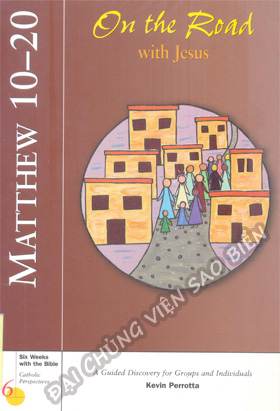 Tác giả: Kevin Perrotta







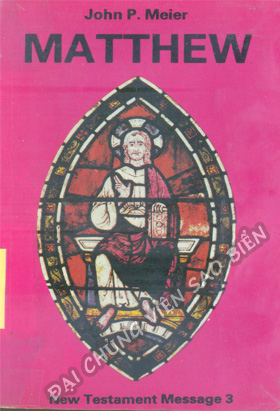 Tác giả: John P.Meier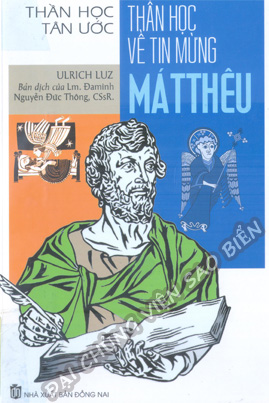
 Tác giả: Donald Senior
 Tác giả: Rudolf Schnackenburg
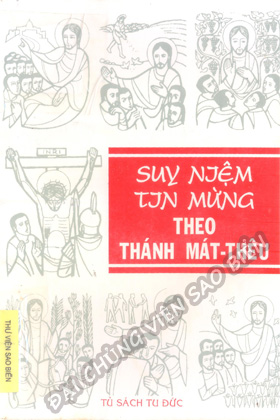
 Tác giả: Herman Hendrickx
 Tác giả: Claude Tassin





 Tác giả: Jean Zumstein
 Tác giả: Réginald Garrigou-Lagrange, O.P
 Tác giả: Scott Hahn