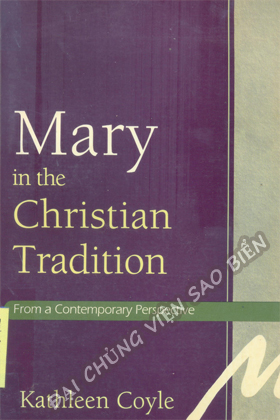
| Mary In The Christian Tradition | |
| Phụ đề: | From A Contemporary Perspective |
| Tác giả: | Kathleen Coyle |
| Ký hiệu tác giả: |
CO-K |
| DDC: | 232.91 - Thánh Mẫu Học |
| Ngôn ngữ: | Anh |
| Số cuốn: | 2 |
Hiện trạng các bản sách
|
|
||||||||||||||||||||||||||||||||
| INTRODUCTION | |
| The Influence of Mary | |
| in the Christian Tradition | 1 |
| The Presence of Mary in the Christian Tradition | 1 |
| Mary in the Imagination of Christians | 2 |
| Marian References in Scripture | 2 |
| Contemporary Ecumenical Interest | 3 |
| The Scope of This Book | 3 |
| CHAPTER ONE | |
| Mary’s Participation in THE Kingdom of God 5 | |
| The Presence of the Anti-Kingdom | 6 |
| Mary’s Participation in Bringing about the Kingdom of God | 7 |
| 1. Paul’s Letter to the Galatians | 8 |
| “Bom of a Woman” | 8 |
| 2. Luke’s Infancy Narrative | 10 |
| Mary’s Cooperation in the Incarnation | 10 |
| Mary’s Magnificat | 13 |
| Echoing Mary’s Magnificat Today | 15 |
| 3. The Fourth Gospel | 16 |
| Link between the Cana Sign | |
| and the other J ohannine Signs | 16 |
| Mary, Jesus’ Mother at Cana | 17 |
| Mary’s Presence and Witness to Jesus’ Hour 18 Mary, Our Model of Faith | 19 |
| Questions for Reflection and Discussion | 19 |
| Suggestions for Further Reading | 20 |
| CHAPTER TWO | |
| The Marian Dogmas I | 21 |
| The Evolution of Dogma | 21 |
| I. Mary, Mother of God | 22 |
| Scriptural Roots of the Dogma | |
| of Mary’s Motherhood | 24 |
| Mary, the Mother of God, in the Eastern Liturgy | 24 |
| Mary’s Motherhhood: Theological Implications | 25 |
| II. The Virginal Conception of Jesus | 26 |
| Annunciation Narratives | 26 |
| Matthew’s Infancy Narrative | 27 |
| The Virginity of Mary: Theological Reflections | 28 |
| The Cautious Conclusion of Scholars | 29 |
| Influences of Docetism | 30 |
| Influences of Gnosticism | 31 |
| Monastic and Ascetic Influences | 32 |
| Consequences of Such Interpretations | 33 |
| Cultural Views of Virginity | 33 |
| Questions for Reflection and Discussion | 34 |
| Suggestions for Further Reading | 34 |
| CHAPTER THREE | |
| The Marian Dogmas II | 35 |
| I. The Immaculate Conception | 35 |
| The History of the Dogma of | |
| the Immaculate Conception | 36 |
| Theological Arguments | 36 |
| The Definition of the Dogma of | |
| the Immaculate Conception, 1854 | 38 |
| The Classical Doctrine of Original Sin | 39 |
| Contemporary Reflections on Original Sin | 41 |
| Interpreting the Doctrine of | |
| the Immaculate Conception | 42 |
| The Immaculate Conception: | |
| Its Significance as Archetype | 43 |
| II. Mary’s Assumption | 44 |
| The Proclamation of the Dogma | 45 |
| Questions for Reflection and Discussion | 48 |
| Suggestions for Further Reading | 48 |
| CHAPTER FOUR | |
| Every Age Forms Its Own Image of Mary | 49 |
| Marian Devotion after Ephesus | 49 |
| The Desert Fathers and Mothers | 50 |
| The Patristic Period | 51 |
| The Early Middle Ages | 52 |
| The Middle Ages | 53 |
| The Thirteenth Century | 54 |
| The Fourteenth and Fifteenth Centuries | 55 |
| The Sixteenth Century | 57 |
| The Seventeenth Century | 58 |
| The Eighteenth Century | 59 |
| From the Nineteenth Century to Vatican II | 60 |
| The Needs of Every Age | 62 |
| The Cult of Mary and Its Influence | |
| on the Lives of Women | 63 |
| Conclusion | 64 |
| Questions for Reflection and Discussion | 64 |
| Suggestions for Further Reading | 64 |
| CHAPTER FIVE | |
| Mary in THE Theology of Vatican II | 66 |
| Pre-Vatican II Mariology | 66 |
| Conciliar Theology | 67 |
| The Conciliar Debate | 68 |
| Christ’s Mediatorship | 71 |
| In the Aftermath of the Council | 73 |
| Postconciliar Developments | 74 |
| 1. Marialis Cultus | 74 |
| 2. Redemptoris Mater | 76 |
| 3. Behold Your Mother | 77 |
| Conclusion | 77 |
| Questions for Reflection and Discussion | 78 |
| Suggestions for Further Reading | 78 |
| CHAPTER SIX | |
| The Tradition of Marian Symbols | 79 |
| Marian Symbols | 79 |
| The Power of Symbol and Metaphor | 79 |
| Christian Symbols and | |
| the Culture that Gave Them Birth | 81 |
| The Eve-Mary Parallelism | 82 |
| A Critique of the Eve-Mary Parallelism | 86 |
| The Suppression of the Feminine in Christianity | 87 |
| Correcting the Distortions in the Tradition | 88 |
| Traditional Images of Mary | |
| Legitimate Women’s Oppression | 89 |
| Searching for an Alternative Tradition | 90 |
| Questions for Reflection and Discussion | 90 |
| Suggestions for Further Reading | 91 |
| CHAPTER SEVEN | |
| Toward AN Alternative Marian Theology | 92 |
| Mary Has Borne the Image of the Divine | 92 |
| Exaggerations in Medieval Theology | 92 |
| An Underdeveloped Pneumatology | 93 |
| Speaking of God in Finite Images | 95 |
| Imaging God in Male and Female Metaphors | 96 |
| Theology’s Ideological Bias | 98 |
| Mary, A Finite Human Being with | |
| a Unique Role in History | 99 |
| Political and Liberation Theologies | 99 |
| Feminist Theology | 101 |
| Retrieving the Figure of Mary | 103 |
| Mary, Our Model Disciple | 103 |
| Questions for Reflection and Discussion | 104 |
| Suggestions for Further Reading | 105 |
| APPENDIX | |
| Mary in Popular Belief | 106 |
| Popular Religion | 106 |
| Pilgrimage in the Christian Tradition | 107 |
| Marian Apparitions and Church Teaching | 107 |
| Expressing the Experience of the Holy | 108 |
| Certain Constants in the Marian Apparitions | 109 |
| The Symbol of Guadalupe | 109 |
| Marian Pilgrimages in the Nineteenth and Twentieth Centuries | 111 |
| The Apparitions at Lourdes | 112 |
| The Apparitions at La Salette | 112 |
| The Apparitions at Fatima | 113 |
| The Apparitions at Medjugoije | 113 |
| The Church Calls for Discernment and Prudence | 114 |
| The Recent Upsurge in Marian Manifestations | 115 |
| The Popular Apocalyptic Ideology of Apparitions | 115 |
| Channeling Popular Piety | 116 |
| Suggestions for Further Reading | 117 |
| Notes | 118 |
| Selected Bibliography | 126 |
| Index | 129 |


Các tác phẩm cùng thể loại
-
-
 Tác giả: Charles Journet
 -
 Tác giả: Karl Rahner
 -
-
 Tác giả: Nguyễn Văn Thành
 -
 Tác giả: Vô Danh
 -
-
-
 Tác giả: Maria Agrêđa
 -
-
-
 Tác giả: Lm. Giêrađô Trần Công Dụ
 -
-
 Tác giả: Jean Galot S.J
 -
-
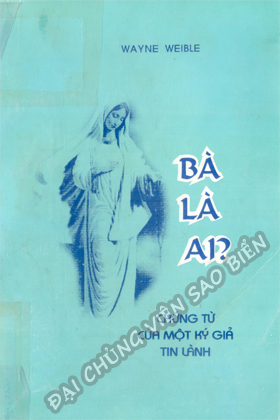 Tác giả: Wayne Weible
 -
-
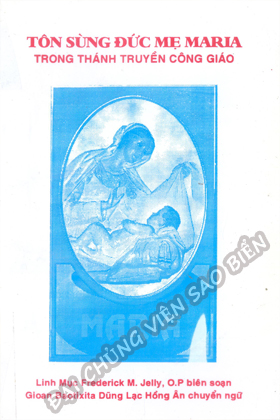
-
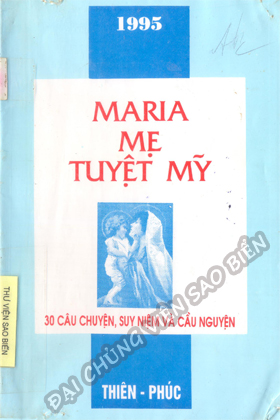 Tác giả: Thiên Phúc
 -
-
-
-
 Tác giả: Soeur Agreda
 -
-
 Tác giả: Max Thurian
 -
-
 Tác giả: Nhiều Tác Giả
 -
-
 Tác giả: Vô Danh
 -
-
 Tác giả: Trần Đức Huân
 -
-
 Tác giả: Nhiều Tác Giả
 -
 Tác giả: Nhiều Tác Giả
 -
 Tác giả: Giulianô Eymard
 -
 Tác giả: A.M.WEIGL
 -
 Tác giả: An Bình CMC
 -
-
 Tác giả: Trần Khắc Khoan
 -
-
-
 Tác giả: Denis farkasfalvy
 -
-
 Tác giả: D. Rô-Bê-Tô
 -
-
 Tác giả: Karl Rahner
 -
 Tác giả: Anphong Ligori
 -
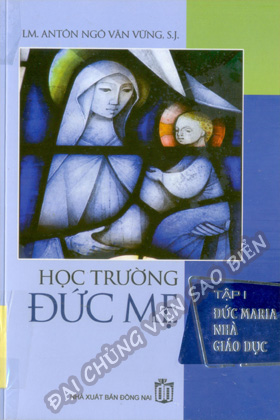
-
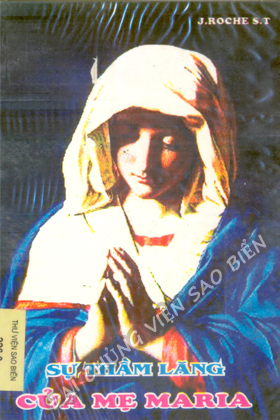 Tác giả: J. Roche S.J
 -
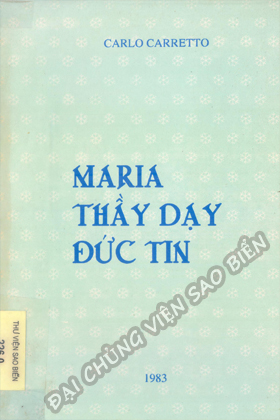 Tác giả: Carlo Carretto
 -
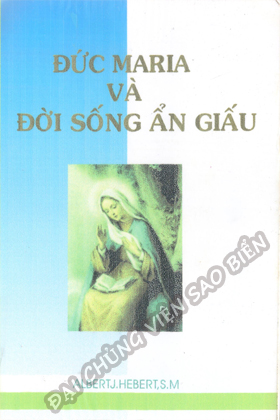
-
 Tác giả: Renè Laurentin
 -
 Tác giả: Michael H. Brown
 -
-
-
-
-
 Tác giả: ĐHY Fulton Sheen
 -
 Tác giả: Vô Danh
 -
-
 Tác giả: Lm. Nguyễn Tự Do
 -
 Tác giả: Lê Tiến
 -
-
-
 Tác giả: Gioan Phaolô II
 -
-
-
-
-
 Tác giả: Vô Danh
 -
 Tác giả: Fr. Oscar Lukefahr, C.M.
 -
-
-
-
-
 Tác giả: Lm. Thiện Cẩm, OP
 -
-
 Tác giả: Luís Erlin
 -
-
-
-
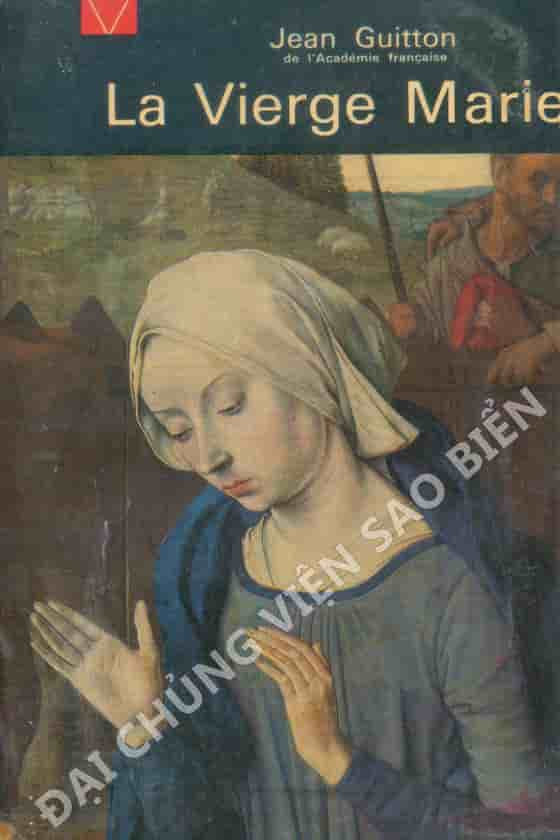 Tác giả: Jean Guitton
 -
 Tác giả: Jean Galot S.J
 -
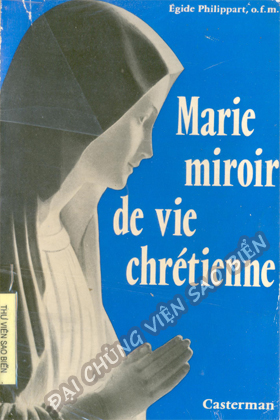
-
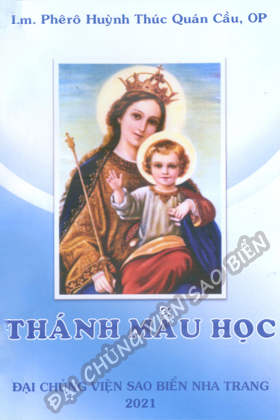 Tác giả: Huỳnh Thúc Quán Cầu
 -
 Tác giả: Vô Danh
 -
 Tác giả: Radio Veritas
 -
 Tác giả: E. Neubert
 -
-

-
-
 Tác giả: Jean Galot S.J
 -
-
 Tác giả: Jacques Duquesne
 -
-
 Tác giả: A. George, S.M.
 -
-
-
-
 Tác giả: Jean Galot S.J