| Preface |
x |
| Abbreviations |
xiii |
| Part One THE PHILOSOPHER AND THE CITIZEN |
1 |
| I Introduction to Plato's Socrates |
3 |
| II Socrates and the Laws of Athens |
10 |
| Introduction |
10 |
| 1 Socrates' arguments in the Crito that he ought not to escape from jail |
11 |
| 2 Socrates' views in the Apology about the citizen, bis city, and its laws |
29 |
| 3 Is there any inconsistency between the Apology and the Crito? |
43 |
| Part Two SOCRATIC METHOD |
57 |
| III Socratic Questions and Assumptions |
59 |
| Introduction |
59 |
| 1 A sample of Socrates' questions |
59 |
| 2 Questions about Socratic questions |
66 |
| 3 The pragmatics of Socrates' questionings |
66 |
| 4 The syntactics of Socrates' questions |
72 |
| 5 The semantics of Socrates' questions |
84 |
| IV Socratic Definitions |
97 |
| Introduction |
97 |
| 1 A list of all the definitions in the Socratic Dialogues |
98 |
| 2 The syntax and forms of Socratic definitions |
101 |
| 3 The semantics of Socratic definitions |
105 |
| 4 The pragmatics of Socratic definitions |
115 |
| 5 Criteria for adequate Socratic definitions |
126 |
| 6 Conclusion |
135 |
| V Socratic Arguments |
136 |
| Introduction |
136 |
| 1 Variety of arguments |
137 |
| 2. Method of analyzing arguments |
137 |
| 3. Inductive analogies: from the arts- crafts-sciences to ethics |
138 |
| 4 Inductive generalizations: from the arts-crafts-from the Lysis |
147 |
| 5 Deductive arguments: two indirect arguments |
155 |
| 6 Deductive arguments: a direct argument from the Lysis |
162 |
| 7 Deductive arguments: a direct argument from the Protagoras |
165 |
| 8 Conclusion |
178 |
| Part Three SOCRATIC ETHICS |
181 |
| VI Virtue and Knowledge I: The Socratic Paradoxes |
183 |
| Introduction |
183 |
| 1 The distinction between the prudential and the moral paradox |
184 |
| 2 The prudential paradox |
185 |
| 3 The moral paradox |
189 |
| VII Virtue and Knowledge II: An Argument against Explanations of Weakness |
195 |
| Introduction |
195 |
| 1 The context and the strategy |
196 |
| 2. The argument |
199 |
| 3 Application of the argument to other cases |
208 |
| 4 The strength model |
209 |
| 5 Weakness and compulsion |
214 |
| VIII Power, Virtue, Pleasure, and Happiness in the Gorgias |
218 |
| Introduction |
218 |
| 1 The issues of virtue and happiness |
221 |
| 2 Socrates' arguments that the unjust man is unhappy |
230 |
| 3 Goods and evils and happiness and unhappiness: Socrates and Polus |
246 |
| 4 Callicles' view of virtue, pleasure, and happiness |
254 |
| 5 Socrates' attack on Callicles' view: the arguments against justice by nature, and against hedonism |
260 |
| 6 Virtue as health of the soul and justice as medicine |
286 |
| Appendix |
304 |
| Copi's rules of inference |
304 |
| Copi's quantification rules |
305 |
| Notes |
306 |
| Bibliography |
306 |
| General Index |
328 |
| Index to Passages |
333 |


 Tác giả: Platon
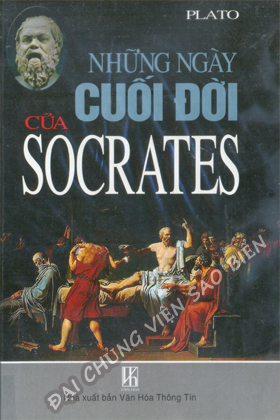 Tác giả: Platon
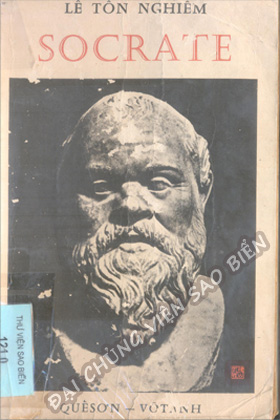 Tác giả: Lê Tôn Nghiêm
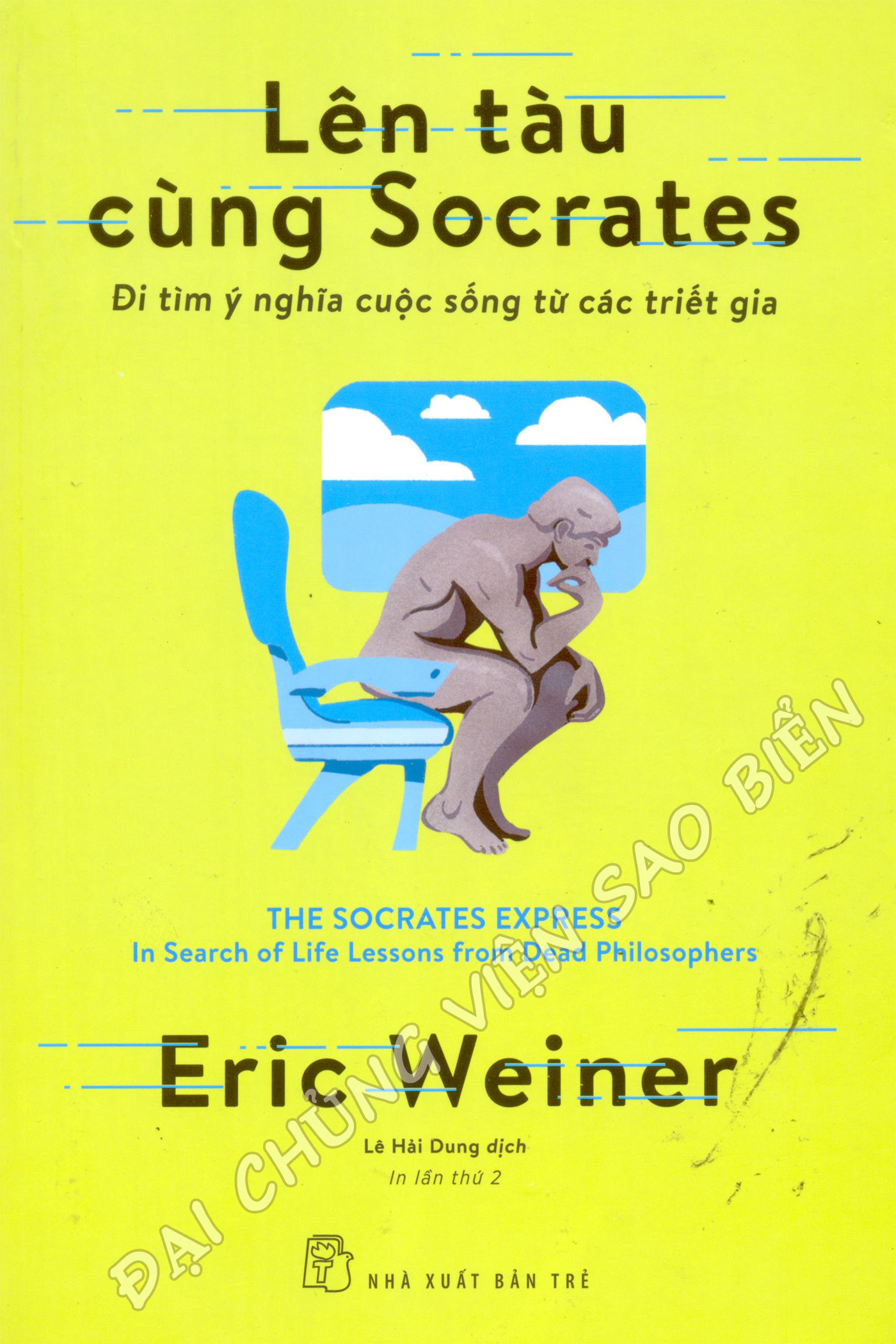 Tác giả: Eric Weiner
 Tác giả: Ferguson John